



Introduction
Coarse thread collated drywall screws are a critical fastening element within the building materials industry, specifically employed for the secure attachment of drywall (gypsum board) to wood or metal studs. Their collated format facilitates rapid installation using automated screw-driving tools, significantly increasing productivity in large-scale construction projects. Unlike finer-threaded screws, the coarser thread pattern offers enhanced holding power in softer materials like drywall, minimizing pull-through and maximizing shear strength. Positioned between standard drywall screws and specialized self-tapping screws, these fasteners represent a balance of speed, reliability, and cost-effectiveness. Core performance characteristics center around shear strength, tensile strength, withdrawal resistance, and head embedment depth, all dictated by material composition, thread geometry, and phosphate coating quality. A primary industry pain point is consistently achieving optimal screw depth without fracturing the drywall face, and ensuring corrosion resistance in varying humidity environments.
Material Science & Manufacturing
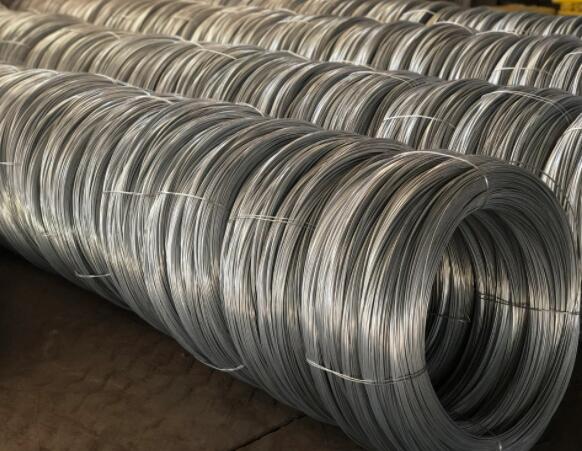
The predominant material for coarse thread collated drywall screws is carbon steel, typically SAE 1022 or 1023, selected for its balance of strength, ductility, and cost. The steel undergoes a cold heading process, where wire stock is fed into a die and formed into the screw head and thread profile through a series of impacts. This process work-hardens the material, increasing its tensile strength. Thread rolling, rather than cutting, is employed to form the coarse thread, preserving the grain structure of the steel and enhancing fatigue resistance. The collation process involves joining the screws end-to-end using adhesive or plastic collation tape, enabling continuous feeding into power tools. A phosphate coating (typically zinc phosphate) is then applied to provide corrosion resistance and improve paint adhesion. Critical parameters during manufacturing include wire gauge control (directly impacting tensile strength), die alignment (influencing thread accuracy), coating thickness (dictating corrosion protection), and collation tape integrity (ensuring reliable feeding). Hydrogen embrittlement is a concern during phosphate coating; post-coating heat treatment is often implemented to mitigate this risk. Raw material chemical composition is rigorously tested via spectrometry to meet ASTM standards. Screw head geometry – typically bugle-head – is critical for controlled embedment without tearing the drywall paper face. Variations in steel composition affect ductility and, consequently, the screw’s ability to withstand bending stress during installation.
Performance & Engineering
The performance of coarse thread collated drywall screws is heavily governed by force analysis during installation and in-service loading. Shear force is paramount when considering the load-bearing capacity of a drywall assembly, particularly when supporting fixtures. Tensile force resistance is crucial for preventing pull-through, especially in applications with cyclical loading. The coarse thread design maximizes thread contact area within the substrate, enhancing withdrawal resistance. Engineering considerations include the stud material (wood vs. metal), stud gauge, drywall thickness, and screw spacing. For wood studs, screw penetration should typically be at least 1.5 inches. For metal studs, self-drilling or self-tapping variations are often required to penetrate the steel without pre-drilling. Compliance requirements dictated by building codes (IBC, IRC) specify minimum screw spacing and edge distance to ensure structural integrity. Environmental resistance is also key; humidity and temperature fluctuations can accelerate corrosion, leading to fastener failure. Phosphate coating provides a baseline level of protection, but in high-humidity environments, stainless steel or ceramic-coated screws may be necessary. Finite element analysis (FEA) is increasingly used to model screw performance under various load conditions and optimize screw geometry for specific applications. The angular relationship between the screw and stud during installation impacts the torque required and the potential for stripping the screw head or damaging the stud.
Technical Specifications
| Diameter (inches) | Length (inches) | Head Type | Thread Type | Coating | Tensile Strength (PSI) |
|---|---|---|---|---|---|
| 0.125 | 1 1/4 | Bugle | Coarse | Zinc Phosphate | 80,000 |
| 0.125 | 1 5/8 | Bugle | Coarse | Zinc Phosphate | 80,000 |
| 0.125 | 1 3/4 | Bugle | Coarse | Zinc Phosphate | 75,000 |
| 0.125 | 2 1/2 | Bugle | Coarse | Zinc Phosphate | 70,000 |
| 0.141 | 1 1/4 | Bugle | Coarse | Zinc Phosphate | 90,000 |
| 0.141 | 1 5/8 | Bugle | Coarse | Zinc Phosphate | 85,000 |
Failure Mode & Maintenance
Common failure modes for coarse thread collated drywall screws include stripping of the screw head, shearing of the screw shank, withdrawal from the substrate, and corrosion-induced failure. Head stripping typically results from over-torquing or using an improperly sized driver bit. Shank shear often occurs when attempting to fasten into overly dense materials or when the screw is subjected to excessive lateral force. Withdrawal failure is prevalent in situations where the screw length is insufficient for adequate penetration or where the substrate material is deteriorated. Corrosion, particularly in humid environments, can lead to progressive weakening of the screw and eventual failure. Maintenance, while typically not applicable to installed screws, focuses on proper storage of unused fasteners. Screws should be stored in a dry environment to prevent corrosion. Regular inspection of installed fasteners in critical applications can identify signs of corrosion or loosening. If corrosion is detected, replacement of the affected screws is recommended. Preventive measures include using corrosion-resistant coatings (stainless steel or ceramic) in high-humidity environments and ensuring proper screw depth during installation to maximize holding power. Fatigue cracking can occur under cyclical loading; proper screw spacing and material selection mitigate this risk. Delamination of the drywall itself, while not a screw failure, can be exacerbated by improper screw installation.
Industry FAQ
Q: What is the optimal screw spacing for 1/2" drywall on 24" on-center wood studs?
A: Industry best practice and building code requirements generally recommend a screw spacing of 12 inches on center along the studs and 12 inches on center along the edges of the drywall sheets when attaching to 24" on-center wood studs. This ensures adequate support and prevents deflection.
Q: How does the phosphate coating contribute to corrosion resistance, and what are its limitations?
A: Zinc phosphate coating creates a conversion layer on the steel surface that inhibits corrosion by providing a barrier against moisture and oxygen. However, phosphate coating is porous and provides limited long-term corrosion resistance, particularly in high-humidity or corrosive environments. It functions primarily as a base for paint or other protective coatings.
Q: What is the difference between Type A and Type AB drywall screws, and when should each be used?
A: Type A screws are designed for wood applications and have a sharp point for easy penetration. Type AB screws are designed for both wood and metal studs and have a self-tapping point. Utilizing Type A screws on metal studs will likely result in screw breakage or stripping. For metal studs, Type AB or dedicated metal stud screws are required.
Q: What torque setting should be used when installing drywall screws with an automatic screw gun?
A: The optimal torque setting depends on the screw gun and the drywall thickness. A general guideline is to adjust the torque so that the screw head is flush with the drywall surface without tearing the paper facing. Start with a lower setting and gradually increase it until proper embedment is achieved. Over-torquing can damage the drywall and weaken the connection.
Q: What causes screw “pop” – where the screw doesn’t fully seat and creates a raised area?
A: Screw “pop” can be caused by several factors, including over-torquing, insufficient screw length, or a damaged drywall surface. It can also occur if the screw is driven into a void within the stud. Proper screw selection, appropriate torque settings, and ensuring a solid substrate are crucial to prevent this issue.
Conclusion
Coarse thread collated drywall screws represent a refined fastening solution tailored to the demands of modern construction. Their design and manufacturing processes are optimized for rapid installation and reliable performance in drywall applications. A thorough understanding of material science, engineering principles, and potential failure modes is crucial for ensuring the structural integrity and longevity of drywall assemblies. Careful consideration of environmental factors, building code compliance, and proper installation techniques will maximize the effectiveness of these critical fasteners.
Looking ahead, advancements in coating technologies and screw material compositions will likely lead to further improvements in corrosion resistance and holding power. The integration of smart sensors into screws to monitor installation torque and detect potential failures represents a promising area for future development. Ultimately, the continued success of coarse thread collated drywall screws hinges on a commitment to quality manufacturing, rigorous testing, and adherence to industry best practices.