



Introduction
Coil nails, specifically those measuring 1 1/4 inches in length, represent a significant advancement in fastening technology within the construction and woodworking industries. These nails, presented in collated strips wound onto coils, are designed for use with pneumatic nailers, enabling rapid and efficient fastening. Their primary application lies in framing, sheathing, roofing, fencing, and various other construction tasks where high-volume nailing is required. Unlike traditional stick nails, coil nails minimize downtime for reloading, resulting in increased productivity. This technical guide will delve into the material science, manufacturing processes, performance characteristics, potential failure modes, and relevant industry standards associated with 1 1/4 inch coil nails. The core challenge in specifying coil nails lies in balancing nail strength with ease of use and cost-effectiveness, while ensuring compatibility with the intended application and nailer equipment.
Material Science & Manufacturing
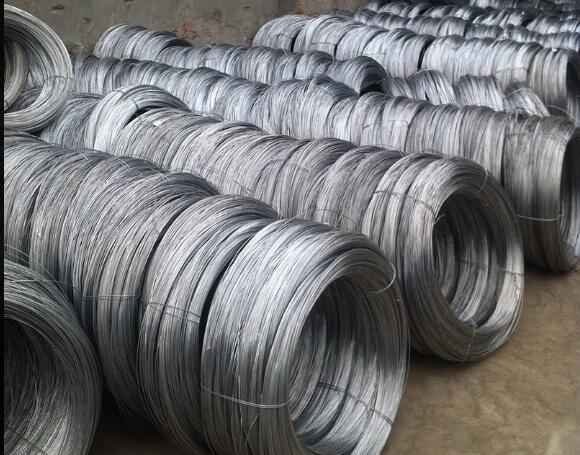
The vast majority of 1 1/4 inch coil nails are constructed from carbon steel, specifically SAE 1008 or similar low-carbon steel grades. This choice balances ductility, tensile strength, and cost. Wire diameter typically ranges from 15 to 17 gauge, impacting both the nail's shear strength and its ability to penetrate various wood densities. The steel wire undergoes a series of manufacturing processes: wire drawing to achieve the desired gauge, followed by heading, where the nail head is formed. Precise die control during heading is critical to ensure consistent head size and shape for reliable nailer feeding. Following heading, the nails are collated and wound onto a coil using specialized machinery. A crucial step is surface treatment, commonly employing electro-galvanization or hot-dip galvanization. Electro-galvanization provides a thinner, more uniform zinc coating, suitable for interior applications. Hot-dip galvanization yields a thicker, more robust coating offering superior corrosion resistance, essential for exterior use. Polymer coatings, such as epoxy or polyester, are sometimes applied over the galvanization for further protection and aesthetic purposes. Quality control at each stage—wire gauge, head dimensions, coating thickness, and coil winding tension—is paramount to prevent nailer malfunctions and ensure consistent performance. Hydrogen embrittlement, a potential issue during electro-galvanization, requires post-treatment baking to diffuse hydrogen from the steel.
Performance & Engineering
The performance of 1 1/4 inch coil nails is largely dictated by their shear strength, tensile strength, and bending resistance. Shear strength, the nail's resistance to forces acting parallel to its axis, is the most critical parameter in most construction applications. Tensile strength, the resistance to pulling forces, is important for applications where the nail is subject to significant withdrawal loads. Nail shank geometry – smooth versus ring shank – significantly impacts withdrawal resistance. Ring shanks provide increased friction, enhancing holding power. Force analysis during nail driving involves consideration of the impact energy of the nailer, the nail’s penetration depth, and the wood’s density and moisture content. Higher impact energies and denser wood generally result in greater holding power, but also increase the risk of splitting. Environmental resistance is a key consideration. Galvanized coatings protect against corrosion, but their effectiveness diminishes over time, particularly in marine environments or areas exposed to de-icing salts. Compliance requirements vary by region and application. Building codes often specify nail size, spacing, and corrosion resistance levels for structural applications. Proper nailer maintenance, including lubrication and adjustment of driving depth, is essential for optimal performance and prevention of misfires or bent nails. The angle of nail insertion also impacts performance; a slight angle can increase shear strength.
Technical Specifications
| Parameter | Typical Value (1 1/4" Coil Nails) | Testing Standard | Tolerance |
|---|---|---|---|
| Nail Length | 1.25 inches (31.75 mm) | ASTM F1667 | ± 0.02 inches (± 0.5 mm) |
| Wire Gauge | 15-17 Gauge (1.8 – 2.0 mm) | ASTM F1667 | ± 0.005 inches (± 0.13 mm) |
| Shank Type | Smooth or Ring Shank | Visual Inspection | Per Customer Specification |
| Head Type | Countersunk Head (Typically 8d Head) | Visual Inspection | Per Customer Specification |
| Coating | Electro-Galvanized or Hot-Dip Galvanized | ASTM B695 / ASTM A153 | Zinc Coating Weight: 20-60 g/m² (Electro), 50-80 g/m² (Hot-Dip) |
| Tensile Strength | 80,000 – 100,000 PSI | ASTM F1667 | ± 5% |
Failure Mode & Maintenance
Coil nail failures typically manifest in several ways. Bending, occurring during nail driving in particularly hard or knotty wood, is a common issue. This often indicates insufficient nailer power or the use of nails with inadequate tensile strength. Shear failure, where the nail snaps under load, can result from exceeding the nail’s shear strength capacity or using nails with defects in the wire. Withdrawal failure, where the nail pulls out of the wood, is often linked to insufficient shank grip (smooth shanks are more prone to this) or weakened wood due to moisture damage. Corrosion, especially in untreated steel nails exposed to harsh environments, leads to weakening of the nail and eventual failure. Hydrogen embrittlement, though less common, can cause brittle fracture in electro-galvanized nails. To mitigate failures, proper nailer maintenance is critical: regular lubrication of the magazine and driving mechanism prevents misfeeds and ensures consistent impact energy. Visual inspection of nails before use to identify bent or damaged nails is essential. Storage of coil nails in a dry environment prevents corrosion. For critical structural applications, periodic inspection of nail connections is recommended to identify signs of corrosion or loosening. Replacement of corroded or damaged nails is crucial to maintain structural integrity. Selection of the appropriate nail gauge and shank type for the application is also a key preventative measure.
Industry FAQ
Q: What is the difference between electro-galvanized and hot-dip galvanized coil nails, and when should each be used?
A: Electro-galvanization provides a thinner, more uniform zinc coating applied through an electrolytic process, typically offering 20-30 g/m² of zinc. It's suitable for interior applications where corrosion risk is low. Hot-dip galvanization involves immersing the nails in molten zinc, creating a thicker, more durable coating (50-80 g/m²). This provides superior corrosion resistance and is essential for exterior applications, particularly in coastal environments or where exposure to de-icing salts is anticipated. Hot-dip galvanization is generally more expensive but offers significantly longer service life in corrosive conditions.
Q: How does the wire gauge of a coil nail impact its performance?
A: A lower wire gauge (e.g., 15 gauge) indicates a thicker nail, resulting in higher shear and tensile strength. Thicker nails provide greater holding power and are suitable for heavier-duty applications. However, thicker nails require more energy to drive and may increase the risk of splitting the wood. A higher wire gauge (e.g., 17 gauge) is thinner, easier to drive, and less likely to cause splitting, but offers lower strength. The optimal gauge depends on the wood species, the application, and the nailer's power.
Q: What is the significance of shank type (smooth vs. ring shank) in coil nail selection?
A: Smooth shank nails provide easier initial penetration but have lower withdrawal resistance. They are often used in applications where ease of installation is paramount and high holding power is not critical. Ring shank nails have rings or barbs along the shank, which create increased friction when driven into the wood, significantly enhancing withdrawal resistance. Ring shank nails are ideal for applications where a secure, long-lasting connection is required, such as framing or sheathing.
Q: What should I look for when inspecting a coil of nails for quality issues?
A: Inspect the coil for any signs of damage to the wire or coating. Check for bent nails, missing heads, or inconsistent head placement. Examine the zinc coating for uniform coverage and the absence of rust or discoloration. Ensure the nails are properly collated and feed smoothly through the nailer. Verify the coil is wound with consistent tension; loose or overly tight winding can cause feeding problems. A small sample of nails should be measured to confirm they meet the specified length and gauge.
Q: What are the potential consequences of using a coil nailer with insufficient air pressure?
A: Insufficient air pressure can lead to incomplete nail penetration, bent nails, or misfires. Incomplete penetration weakens the connection and can result in nail protrusion. Bent nails can damage the nailer and may not provide adequate holding power. Misfires can be dangerous and disrupt the workflow. It's crucial to refer to the nailer manufacturer's recommendations for optimal air pressure settings and ensure the air compressor is functioning correctly.
Conclusion
1 1/4 inch coil nails represent a critical fastening solution for a diverse range of construction and woodworking applications. Their performance is fundamentally linked to the interplay of material science – specifically the properties of carbon steel and the effectiveness of galvanization – and precise manufacturing control. Understanding the impact of wire gauge, shank geometry, and coating type allows for informed selection based on the demands of the specific application and environmental conditions.
Effective implementation necessitates not only proper nail selection but also diligent nailer maintenance and adherence to relevant industry standards. Future developments may focus on enhanced corrosion-resistant coatings, optimized shank designs for even greater withdrawal resistance, and smart nail systems incorporating sensors for monitoring connection integrity. Continuous quality control and a commitment to best practices will ensure the reliable and long-lasting performance of these essential fasteners.