



Introduction
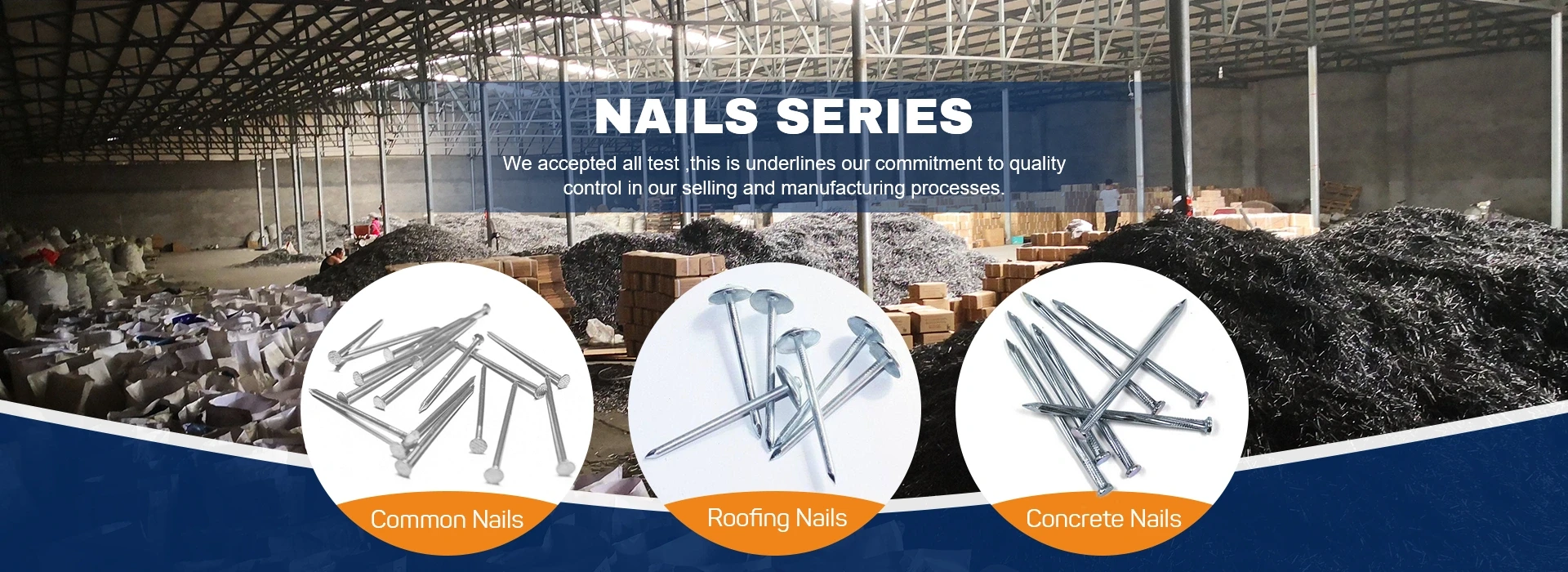
Collated roofing nails 1 1 4 represent a specific fastening solution integral to the construction industry, specifically for the application of roofing materials such as asphalt shingles, felt underlayment, and other similar coverings. These nails, characterized by their 1-inch length, 11-gauge diameter, and 1/4-inch head diameter, are manufactured in a collated format for use with pneumatic nailers. This collation method drastically increases installation speed and reduces labor costs compared to manual nailing. Their technical position within the construction supply chain is critical; a failure in nail performance directly impacts roof integrity, potentially leading to significant structural damage and water ingress. Core performance characteristics include shear strength, penetration capability, corrosion resistance, and consistent fastening, all vital for long-term roofing system reliability. The increasing demand for efficient roofing installation, coupled with stringent building codes requiring robust fastening systems, drives the ongoing development and refinement of collated roofing nail technology.
Material Science & Manufacturing
The primary material used in the production of collated roofing nails 1 1 4 is typically carbon steel, specifically SAE 1008 or similar low-carbon steel grades. This selection balances cost-effectiveness with sufficient tensile strength and ductility. The steel is often drawn through a series of dies to achieve the precise 11-gauge (approximately 0.0907 inches) diameter. Manufacturing begins with wire drawing, followed by heading, a cold-forming process that creates the nail head. Precise control of heading parameters - impact force, die geometry, and lubrication - is crucial to ensure consistent head size and shape. Following heading, the nails undergo thread rolling, if applicable; some designs incorporate spiral or ring shanks to enhance withdrawal resistance. The collation process itself utilizes various methods: plastic collating, wire collating, or paper tape collating. Plastic collation, using a high-density polyethylene (HDPE) strip, is most common due to its reliability and compatibility with most pneumatic nailers. Wire collation uses fine wire to bind the nails, while paper tape is a lower-cost option. Surface treatment is paramount for corrosion resistance. Galvanization, employing hot-dip or electro-galvanizing processes, is standard. Hot-dip galvanization offers thicker coating, enhancing long-term durability, but may result in slight coating variations. Electro-galvanizing provides a more uniform coating but typically thinner. Increasingly, manufacturers are exploring alternative coatings like zinc-nickel alloys for superior corrosion protection, particularly in coastal environments. Quality control involves rigorous dimensional checks, hardness testing (Rockwell C scale), and coating thickness measurements.
Performance & Engineering
The performance of collated roofing nails 1 1 4 is fundamentally governed by force analysis principles. Penetration force, influenced by nail point geometry and the density of the roofing substrate (wood sheathing, OSB), dictates the depth of engagement. Shear strength, the nail’s resistance to lateral forces, is critical for wind uplift resistance. Engineering calculations, based on ASTM D1033 standard test methods for properties of wood, determine the required nail density and spacing to withstand specified wind loads. Withdrawal resistance, often enhanced by ring or spiral shanks, prevents nail pull-out due to thermal expansion/contraction and cyclical loading. Environmental resistance is a major concern. Galvanic corrosion, occurring when dissimilar metals (e.g., steel nail and aluminum flashing) are in contact in the presence of an electrolyte (water), must be mitigated through proper material selection and isolation techniques. Temperature fluctuations impact nail material properties; steel becomes more brittle at lower temperatures. Compliance requirements vary regionally. Building codes, such as the International Building Code (IBC), specify minimum nail size, spacing, and fastening patterns based on wind zone and roof slope. The angle of nail penetration is also crucial; nails driven at the correct angle maximize shear strength and minimize the risk of bending or breaking. Finite element analysis (FEA) is increasingly used to model nail performance under complex loading conditions and optimize nail designs for specific applications.
Technical Specifications
| Parameter | Specification | Test Method | Typical Value |
|---|---|---|---|
| Nail Length | 1 inch (25.4 mm) | Dimensional Measurement | 25.4 mm ± 0.13 mm |
| Nail Diameter (Gauge) | 11-Gauge (0.0907 inches) | Dimensional Measurement | 2.30 mm ± 0.025 mm |
| Head Diameter | 1/4 inch (6.35 mm) | Dimensional Measurement | 6.35 mm ± 0.13 mm |
| Coating Type | Hot-Dip Galvanized/Electro-Galvanized | ASTM B695 | Zinc Coating Thickness: 50-60 μm (HDG), 5-15 μm (EDG) |
| Shear Strength | Minimum 160 lbs | ASTM D1033 | 200-250 lbs |
| Tensile Strength | Minimum 800 MPa | ASTM E8 | 850-950 MPa |
Failure Mode & Maintenance
Collated roofing nails 1 1 4 are susceptible to several failure modes. Fatigue cracking can occur under cyclical wind loading, particularly if the nails are overdriven or improperly installed. This initiates at the nail head or shank and propagates over time. Corrosion is a significant concern, especially in humid or coastal environments. Rust formation weakens the nail shank, reducing its shear and tensile strength. Galvanic corrosion accelerates the process when nails are in contact with dissimilar metals. Bending or breaking during installation is common if the nailer is not properly adjusted or if the sheathing is excessively hard. Delamination of the galvanized coating can also occur due to poor coating quality or aggressive environmental conditions. Oxidation, particularly at elevated temperatures, can degrade the steel microstructure, reducing its ductility. Maintenance primarily focuses on preventative measures. Proper nailer adjustment (air pressure, depth control) is crucial to prevent overdriving or underdriving. Careful storage in a dry environment minimizes corrosion. Periodic inspection of installed roofs for signs of nail failure (rust, bending, loosening) is recommended. Replacing damaged or corroded nails proactively can prevent more extensive structural damage. The use of corrosion-resistant coatings, such as zinc-nickel, extends the service life of the nails and reduces maintenance requirements.
Industry FAQ
Q: What is the impact of nail collation type (plastic vs. wire) on nailer performance and reliability?
A: Plastic collation, specifically HDPE, generally offers superior reliability and feeds more consistently in pneumatic nailers compared to wire collation. Wire collation can sometimes cause jams or misfeeds, particularly in high-speed applications. While wire collation is typically less expensive, the potential for increased downtime and reduced installation efficiency often outweighs the cost savings.
Q: How does the choice of galvanization method (hot-dip vs. electro-galvanizing) affect long-term corrosion resistance?
A: Hot-dip galvanization provides a thicker zinc coating, resulting in significantly improved long-term corrosion resistance. Electro-galvanizing offers a more uniform coating but is typically thinner and provides less protection, especially in harsh environments. While electro-galvanization is often adequate for inland applications, hot-dip galvanization is recommended for coastal areas or regions with high humidity and salt exposure.
Q: What is the recommended nail spacing for high-wind zones according to the IBC?
A: The IBC specifies nail spacing based on wind speed and roof slope. In high-wind zones (typically exceeding 90 mph), closer nail spacing (e.g., 6-inch centers) is generally required to provide adequate wind uplift resistance. The specific requirements vary based on the roof covering material and local building codes, so it’s essential to consult the applicable code provisions.
Q: What are the implications of using nails with ring or spiral shanks versus smooth shank nails?
A: Nails with ring or spiral shanks offer significantly increased withdrawal resistance compared to smooth shank nails. The rings or spirals create a mechanical interlock with the wood fibers, preventing the nail from pulling out easily. This is particularly important in applications subject to cyclical loading or thermal expansion and contraction.
Q: What quality control measures should be in place to ensure consistent nail performance?
A: Critical quality control measures include dimensional checks of nail length, diameter, and head size; hardness testing to verify material properties; coating thickness measurements to ensure adequate corrosion protection; and shear strength testing to confirm fastening performance. Regular audits of the manufacturing process and incoming raw materials are also essential.
Conclusion
Collated roofing nails 1 1 4 are a critical component in roofing systems, demanding precise manufacturing, material selection, and installation practices. Their performance is dictated by a complex interplay of material science, engineering principles, and compliance with stringent building codes. The ongoing pursuit of enhanced corrosion resistance, improved fastening strength, and increased installation efficiency continues to drive innovation in this sector.
Selecting the appropriate nail, considering factors like coating type, shank design, and collation method, directly impacts roof longevity and structural integrity. Proper nailer maintenance, adherence to recommended installation techniques, and proactive inspection are crucial for preventing premature failure and ensuring long-term performance. Future development will likely focus on sustainable materials and optimized nail designs to further enhance durability and reduce environmental impact.