



Introduction
Drywall screws coarse are a critical fastening component within the building construction industry, specifically utilized for the securement of gypsum wallboard (drywall) to wood or metal framing. Unlike fine-thread drywall screws intended for metal studs, coarse-thread screws are designed for optimal holding power in wood-based substrates. Their performance is directly linked to the structural integrity and longevity of interior wall and ceiling systems. The screws are typically manufactured from hardened steel, offering sufficient shear and tensile strength for their intended application. The increasing demand for faster construction times and more durable interior finishes has driven continuous refinements in drywall screw manufacturing, coatings, and thread geometries. This guide provides an in-depth technical analysis of drywall screws coarse, encompassing material science, manufacturing processes, performance characteristics, failure modes, and relevant industry standards. A key pain point within the construction industry regarding drywall screws is inconsistent quality leading to screw failure, drywall separation, and costly rework. Understanding the nuances of material selection and manufacturing is crucial to mitigate these issues.
Material Science & Manufacturing
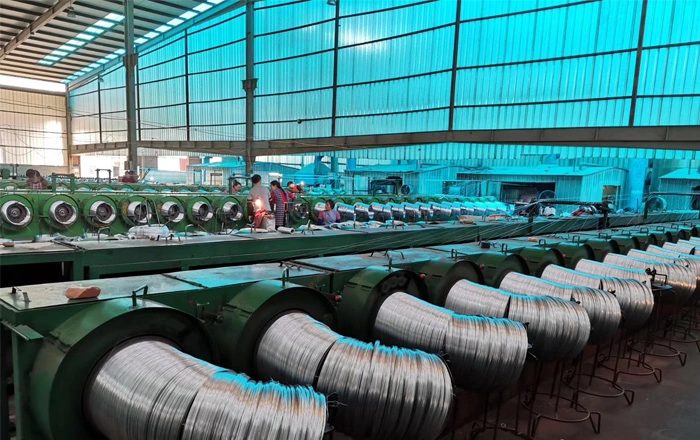
Drywall screws coarse are predominantly manufactured from medium-carbon steel, typically SAE 1022 or equivalent, chosen for its balance of strength, ductility, and cost-effectiveness. The steel undergoes a cold-heading process to form the screw head and shank. The core material properties include a Rockwell hardness (C-scale) of 32-40 after heat treatment, offering adequate resistance to deformation during installation. The screw threads are formed through a rolling process, which cold-forms the thread geometry without removing material, thereby increasing thread strength compared to machining. This process induces compressive residual stresses within the thread, further enhancing fatigue resistance. A critical aspect is the phosphate coating (typically zinc phosphate) applied to the screw surface. This coating serves multiple functions: it enhances corrosion resistance, provides a receptive surface for paint adhesion, and reduces friction during screw driving. The coating thickness is typically 5-10 micrometers. Manufacturing parameter control is essential. Screw diameter, thread pitch, point geometry (sharp Type A or blunt Type B), and head style (bugle head is standard) are tightly controlled. Heat treatment parameters—austenitizing temperature, quenching medium, and tempering temperature—significantly impact the final hardness and ductility of the screw. Improper heat treatment can lead to brittle screws prone to snapping under stress. The manufacturing process is heavily reliant on statistical process control (SPC) to maintain consistent dimensional accuracy and material properties.
Performance & Engineering
The performance of drywall screws coarse is governed by several engineering principles. Tensile strength, typically ranging from 850-1000 MPa, is critical for resisting pull-out forces. Shear strength, around 550-750 MPa, dictates the screw's ability to withstand lateral loads. The coarse thread design provides a larger thread contact area within the wood substrate, resulting in higher withdrawal resistance compared to fine-thread screws. Force analysis during installation requires consideration of the driving torque, axial force, and screw penetration depth. Over-driving the screw can strip the wood fibers, reducing holding power, while under-driving leaves the drywall unsupported. Environmental resistance is another key factor. Exposure to moisture can lead to corrosion of the screw steel, reducing its strength and longevity. The phosphate coating provides a degree of protection, but in high-humidity environments, additional corrosion-resistant coatings (e.g., ceramic coatings) may be necessary. Compliance requirements, such as those stipulated by building codes and ASTM standards (discussed in the footer), dictate minimum performance criteria for drywall screws. Furthermore, the screw’s point geometry influences installation efficiency and potential for drywall cracking. A sharp point minimizes splitting of the wood while facilitating easy penetration. The bugle head design allows for controlled countersinking without tearing the drywall paper facing.
Technical Specifications
| Diameter (mm) | Length (mm) | Head Type | Point Type | Tensile Strength (MPa) | Shear Strength (MPa) |
|---|---|---|---|---|---|
| 3.5 | 32 | Bugle | Type A (Sharp) | 900 | 600 |
| 3.5 | 45 | Bugle | Type A (Sharp) | 950 | 650 |
| 3.5 | 63 | Bugle | Type A (Sharp) | 880 | 580 |
| 4.2 | 38 | Bugle | Type B (Blunt) | 1000 | 750 |
| 4.2 | 57 | Bugle | Type B (Blunt) | 920 | 700 |
| 4.2 | 76 | Bugle | Type B (Blunt) | 850 | 620 |
Failure Mode & Maintenance
Drywall screw coarse failures commonly manifest as stripping of the screw head, snapping of the screw shank, or pull-out from the wood substrate. Stripping occurs when the driver bit slips within the screw head recess, typically due to excessive torque or a worn driver bit. Shank failure is often a result of brittle fracture caused by insufficient ductility in the steel or excessive stress during installation. Pull-out occurs when the holding power of the screw within the wood is exceeded, often due to insufficient thread engagement or deteriorated wood fibers. Corrosion can accelerate failure by weakening the screw material. Fatigue cracking can occur in areas subjected to repeated stress, such as around the screw head. Delamination of the drywall paper facing can also be considered a failure mode, often caused by overdriving the screw. Maintenance typically involves inspecting screws for signs of corrosion or loosening. Loose screws should be tightened or replaced. Preventative measures include using appropriately sized screws for the application, employing the correct driving torque, and ensuring the wood substrate is in good condition. Regularly inspecting for and addressing water leaks will minimize corrosion risks. For large-scale installations, periodic screw pull-out tests can assess the overall integrity of the drywall system. Proper storage of screws in a dry environment is also crucial to prevent corrosion before installation.
Industry FAQ
Q: What is the primary difference between coarse-thread and fine-thread drywall screws, and when should each be used?
A: Coarse-thread screws are designed for wood framing, providing a larger thread contact area for superior holding power in softer materials. Fine-thread screws are intended for metal studs, offering better engagement in the metal’s threads. Using the incorrect thread type significantly reduces holding power and increases the risk of failure.
Q: How does the phosphate coating contribute to the longevity of a drywall screw?
A: The phosphate coating, typically zinc phosphate, provides a degree of corrosion resistance, enhances paint adhesion, and reduces friction during installation. While effective, it is not a complete corrosion barrier and may require supplemental coatings in high-humidity environments.
Q: What torque settings are recommended for driving drywall screws to avoid stripping the screw head or damaging the drywall?
A: Recommended torque settings vary based on screw size, drywall thickness, and framing material. Generally, using a clutch-controlled screw gun and starting with a low torque setting, gradually increasing until the screw is seated flush without breaking the drywall paper, is best practice. Over-tightening is a common cause of damage.
Q: What material properties are most critical in determining the quality of a drywall screw?
A: Tensile strength, shear strength, Rockwell hardness, and coating thickness are the most critical material properties. These factors directly influence the screw's ability to withstand stress, resist deformation, and resist corrosion. Consistent material properties achieved through rigorous quality control are essential.
Q: How does the point geometry (Type A vs. Type B) affect the installation process and potential for drywall cracking?
A: Type A (sharp) points are self-starting and minimize splitting of the wood framing but can potentially crack brittle drywall if excessive force is applied. Type B (blunt) points require pre-drilling in hard wood but reduce the risk of drywall cracking. The choice depends on the framing material and installer preference.
Conclusion
Drywall screws coarse are deceptively complex fastening components vital to the structural integrity of interior wall systems. Their performance is heavily influenced by material selection, manufacturing precision, and proper installation techniques. A thorough understanding of the interplay between tensile strength, shear strength, thread geometry, and corrosion resistance is crucial for selecting the appropriate screws for a given application. The ongoing pursuit of improved materials and manufacturing processes continues to drive advancements in drywall screw technology, resulting in more durable and reliable fastening solutions.
Addressing the industry pain points of inconsistent quality and premature failure requires a commitment to rigorous quality control throughout the manufacturing process and adherence to established industry standards. Furthermore, educating installers on proper installation techniques – including torque control and screw selection – is paramount. Future developments may focus on advanced corrosion-resistant coatings and optimized thread designs to further enhance the performance and longevity of drywall screw systems.