



Introduction
Drywall screws are a fundamental fastening element in modern construction, specifically designed for the installation of gypsum board (drywall) to wood or metal studs. These screws differ significantly from general-purpose wood screws in their hardened steel composition, specialized thread geometry, and head configurations optimized for drywall applications. Their technical position resides within the broader fastener industry, falling under the category of self-tapping screws. Core performance characteristics center around shear strength, tensile strength, corrosion resistance, and the ability to consistently penetrate drywall and framing materials without causing damage. The increasing demands for faster construction, energy efficiency through airtight assemblies, and improved building durability drive ongoing development in drywall screw materials and designs. A primary industry pain point is maintaining consistent screw penetration depth to avoid tearing the drywall paper facing, leading to compromised holding power and potential failures. Another key challenge is selecting appropriate screw coatings to prevent corrosion, particularly in moisture-prone environments.
Material Science & Manufacturing
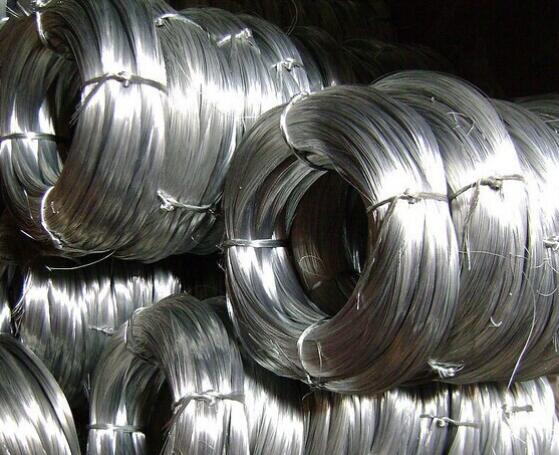
Drywall screws are typically manufactured from hardened steel, often C1022 steel, chosen for its balance of strength, ductility, and cost-effectiveness. The steel undergoes a process of cold heading, where wire is fed into a die and formed into the screw shape. This process work-hardens the steel, increasing its tensile strength. Thread rolling, rather than machining, is employed to create the screw threads, further enhancing strength and improving fatigue resistance. The thread design is crucial; it's typically a sharp, single-lead thread optimized for efficient penetration and holding power in gypsum board. Screw heads are formed separately and then assembled to the screw body. Phosphate coatings, such as zinc phosphate, are frequently applied as a base for subsequent coatings. The most common final coatings include zinc plating for general corrosion resistance, or specialized coatings like ceramic or polymer coatings for enhanced protection in corrosive environments. Manufacturing parameter control is critical. Head diameter, thread pitch, point sharpness, and coating thickness are all tightly monitored to ensure consistent performance. Heat treatment processes, like case hardening, are carefully controlled to achieve the desired Rockwell hardness (typically RC32-RC45) to provide both strength and brittleness to enable self-tapping capabilities. Variations in material composition or improper heat treatment can lead to premature failure, particularly stripping or breakage.
Performance & Engineering
The performance of a drywall screw is heavily influenced by its mechanical properties and its interaction with the surrounding materials. Force analysis reveals that the primary stresses experienced by a drywall screw during installation and use are shear stress (due to lateral loads on the drywall) and tensile stress (due to the weight of the drywall and any applied loads). The shear strength of the steel is, therefore, a critical factor. The screw’s point geometry and thread design are engineered for efficient penetration into both wood and metal studs. For wood studs, the screw relies on thread engagement and friction for holding power. For metal studs, the screw's self-tapping ability is crucial, creating a formed thread within the metal. Environmental resistance is paramount; humidity and temperature fluctuations can cause corrosion, weakening the screw and reducing its holding power. Compliance requirements are dictated by building codes and industry standards. For example, screws used in fire-rated assemblies must meet specific requirements to maintain the integrity of the assembly during a fire event. The screw’s length is critical; too short, and it won’t adequately penetrate the stud; too long, and it may protrude through the stud, creating a safety hazard. Proper screw spacing and edge distance are also essential for optimal performance, preventing drywall cracking and ensuring secure attachment.
Technical Specifications
| Parameter | Unit | Type I (Coarse Thread - Wood) | Type II (Fine Thread - Metal) |
|---|---|---|---|
| Screw Diameter | mm | 3.5 | 3.5 |
| Length | mm | 38 | 38 |
| Head Type | - | Bugle | Bugle |
| Material | - | C1022 Steel | C1022 Steel |
| Coating | - | Zinc Plated | Black Phosphate |
| Tensile Strength | MPa | 517 | 517 |
| Shear Strength | MPa | 345 | 345 |
| Point Style | - | Sharp | Self-Drilling |
| Thread Type | - | Coarse | Fine |
| Minimum Embedment Depth (Wood) | mm | 19 | N/A |
| Minimum Embedment Depth (Metal) | mm | N/A | 19 |
Failure Mode & Maintenance
Drywall screw failures can manifest in several ways. Fatigue cracking, particularly near the screw head, can occur due to repeated stress cycles, often exacerbated by vibration or movement. Stripping, where the threads become damaged and lose their holding power, is a common failure mode, frequently resulting from over-tightening or using the incorrect screw type for the substrate. Corrosion, especially in humid environments, can weaken the screw and lead to breakage. Hydrogen embrittlement, a less common but critical failure mode, can occur in high-strength screws exposed to certain corrosive environments, causing them to become brittle and fracture under stress. Delamination of the drywall paper facing can also occur if the screw is driven too deeply, compromising the screw’s holding power and potentially leading to the entire assembly failing. Maintenance is typically limited to inspection for signs of corrosion or stripping. If corrosion is present, screws should be replaced with corrosion-resistant alternatives. Stripped screws should also be replaced. When replacing screws, ensure the new screws are the correct type and length for the application. Preventing failures through proper installation techniques – avoiding over-tightening, using the correct screw type, and ensuring adequate stud penetration – is the most effective form of maintenance.
Industry FAQ
Q: What is the difference between Type I and Type II drywall screws, and when should each be used?
A: Type I screws have coarser threads and are designed for use with wood studs. The wider thread spacing provides greater holding power in softer wood fibers. Type II screws have finer threads and are designed for use with metal studs. The finer threads create a stronger, more secure formed thread within the metal.
Q: How does the coating on a drywall screw impact its performance?
A: The coating provides corrosion resistance. Zinc plating is a standard coating for general indoor use. Black phosphate coatings offer slightly better corrosion resistance and are commonly used for metal studs. Ceramic or polymer coatings provide superior corrosion protection for demanding environments, such as bathrooms or exterior applications.
Q: What is the correct way to avoid stripping the threads when installing drywall screws?
A: Avoid over-tightening the screws. Use a screw gun with an adjustable clutch and set it to the appropriate torque setting for the drywall thickness and stud material. Ensure the screw is driven straight and that the driver bit is properly engaged with the screw head.
Q: What is the significance of the bugle head design on a drywall screw?
A: The bugle head is designed to self-countersink into the drywall paper without tearing it. This creates a smooth, flush finish and helps maintain the drywall’s structural integrity.
Q: How does screw length affect the holding power of a drywall screw?
A: Screw length is critical for adequate penetration into the stud. Insufficient penetration reduces holding power, while excessive penetration can protrude through the stud. Follow manufacturer’s recommendations for minimum embedment depth based on drywall and stud thickness.
Conclusion
Drywall screws, despite their seemingly simple design, represent a significant feat of materials science and manufacturing engineering. Selecting the appropriate screw type, understanding its performance characteristics, and employing proper installation techniques are crucial for ensuring the long-term structural integrity and safety of drywall assemblies. The ongoing refinement of screw materials, coatings, and designs directly addresses industry pain points related to corrosion, stripping, and fatigue, leading to more durable and reliable building construction.
Future developments will likely focus on further enhancing corrosion resistance through innovative coating technologies, optimizing screw thread geometries for improved holding power in various substrates, and incorporating smart features like embedded sensors for monitoring screw tension and detecting potential failures. Continued adherence to industry standards and a commitment to quality control will remain paramount in maintaining the reliability and performance of these essential fastening components.