



Introduction
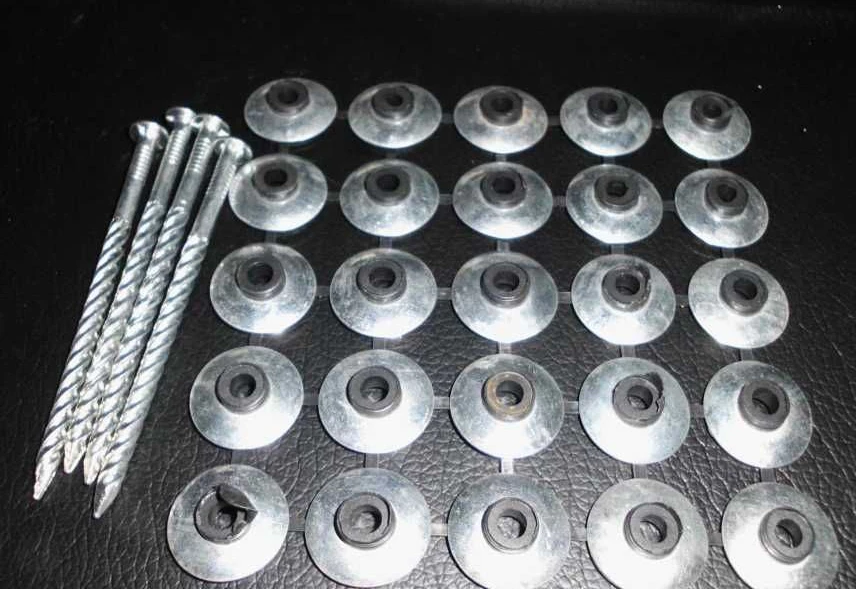
Fine drywall screws are mechanically fastened components integral to the interior construction industry, primarily utilized for securing gypsum wallboard (drywall) to wood or metal framing. Distinct from coarser-threaded drywall screws, fine-thread screws are specifically designed for applications involving metal studs, offering enhanced holding power and reduced risk of stripping. Their technical position within the construction materials supply chain is post-framing and pre-finishing, representing a critical element influencing the structural integrity and aesthetic quality of interior walls and ceilings. Core performance characteristics include shear strength, tensile strength, corrosion resistance, and screw penetration depth, all of which impact the longevity and reliability of the drywall installation. The increasing prevalence of steel framing in both residential and commercial construction drives demand for consistently performing fine-thread drywall screws capable of reliable engagement with the substrate material.
Material Science & Manufacturing
The predominant material for fine drywall screws is carbon steel, typically SAE 1022 or similar, selected for its balance of strength, ductility, and cost-effectiveness. The steel undergoes a cold-heading process where wire is fed into a machine that forms the screw head and thread. Critical parameters during cold heading include die geometry, feed rate, and lubrication, influencing the screw's dimensional accuracy and mechanical properties. Following cold heading, screws are heat-treated – typically hardened and tempered – to achieve the desired tensile strength (typically 800-1200 MPa) and hardness (Rockwell C 30-45). Coating is a crucial step. Phosphate coating (primarily zinc phosphate) provides a base for subsequent coating layers and enhances corrosion resistance. Common final coatings include zinc plating, providing sacrificial corrosion protection, or polymer coatings for enhanced durability in moisture-prone environments. The screw threads are generally formed via a rolling process, which cold-forms the thread profile rather than cutting it, improving thread strength and surface finish. The precision of the thread rolling dies dictates the thread pitch (typically 6-8 threads per inch for fine-thread screws) and accuracy, impacting engagement with metal studs. Material composition dictates chloride content, directly impacting corrosion resistance. Excessive chloride presence is a critical flaw.
Performance & Engineering
The performance of fine drywall screws is fundamentally governed by principles of fastener mechanics and material interaction. Shear strength, the resistance to forces acting parallel to the screw axis, is critical for preventing screw pull-through under lateral loads. Tensile strength, the resistance to forces pulling the screw directly, is vital in applications where the screw is subject to tension. The thread engagement length – the portion of the screw thread in contact with the substrate – directly impacts both shear and tensile capacity. For steel studs, adequate thread engagement requires a sufficient thread pitch and screw penetration depth. Environmental resistance is paramount; corrosion initiates at the screw head and thread roots. Electrochemical corrosion is accelerated by dissimilar metal contact (e.g., steel screw in contact with aluminum framing) and exposure to high humidity or chlorides. Engineering considerations include fastener spacing, edge distance, and screw angle. Excessive spacing reduces load-bearing capacity. Insufficient edge distance can lead to stud deformation or screw pull-out. Screw angle affects the shear stress distribution. Compliance requirements, such as those stipulated by building codes (IBC, IRC) and industry standards (ASTM C1002), dictate minimum performance criteria for drywall screws. Load calculations must consider safety factors to account for material variability and unforeseen loads. Finite element analysis (FEA) is increasingly used to optimize screw design and installation parameters.
Technical Specifications
| Diameter (inches) | Length (inches) | Tensile Strength (MPa) | Shear Strength (MPa) |
|---|---|---|---|
| 0.146 | 1 1/4 | 850 | 650 |
| 0.146 | 1 5/8 | 900 | 700 |
| 0.146 | 2 | 950 | 750 |
| 0.146 | 2 1/2 | 1000 | 800 |
| 0.146 | 3 | 1050 | 850 |
| 0.146 | 3 5/8 | 1100 | 900 |
Failure Mode & Maintenance
Fine drywall screws are susceptible to several failure modes in service. Striping of the screw threads in the metal stud is a common failure, particularly with over-tightening or repeated installation/removal. Fatigue cracking can occur under cyclical loading, initiating at stress concentrations (e.g., screw head or thread root). Corrosion, particularly in humid or chloride-rich environments, weakens the screw and can lead to premature failure. Hydrogen embrittlement, a delayed failure mechanism, can occur in high-strength screws exposed to hydrogen-containing environments. Shear failure occurs when the screw is subjected to excessive shear force, exceeding its shear strength. Pull-through failure occurs when the screw loses its grip on the substrate material, often due to insufficient thread engagement. Maintenance primarily involves visual inspection for signs of corrosion, stripping, or deformation. Corroded screws should be replaced. Stripped screws can sometimes be addressed with larger-diameter screws, but this requires careful consideration of structural integrity. Preventative measures include proper screw selection for the intended application, use of appropriate installation tools, and avoidance of over-tightening. Regular inspection and timely replacement of damaged screws are essential for maintaining the long-term performance of drywall assemblies.
Industry FAQ
Q: What is the primary difference between fine-thread and coarse-thread drywall screws, and when should each be used?
A: The key difference lies in the thread pitch. Fine-thread screws have a tighter thread pattern, optimized for engagement with the thinner metal of steel studs. Coarse-thread screws, with a wider thread pitch, are designed for wood framing. Using fine-thread screws in wood results in reduced holding power, while using coarse-thread screws in metal studs can lead to stripping and insufficient engagement.
Q: How does the coating on a drywall screw affect its performance in corrosive environments?
A: Coating is critical for corrosion resistance. Zinc phosphate provides a base layer, but the final coating (zinc plating or polymer) determines the level of protection. Zinc plating offers sacrificial corrosion protection, meaning the zinc corrodes first, protecting the steel. Polymer coatings provide a barrier against moisture and chlorides. The thicker and more durable the coating, the better the corrosion resistance.
Q: What torque settings should be used when installing fine drywall screws to avoid stripping the threads?
A: Torque settings vary depending on the screw length, stud gauge, and installation tool. Generally, use a depth-sensitive drywall gun that automatically disengages the clutch when the screw reaches the proper depth. Over-tightening is a primary cause of stripping. Refer to the screw manufacturer's recommendations for specific torque settings.
Q: How do you identify potential hydrogen embrittlement in a high-strength drywall screw installation?
A: Hydrogen embrittlement is difficult to detect visually. Symptoms include delayed cracking or brittle fracture without significant deformation. The risk is higher in environments with high humidity, chlorides, or electrochemical corrosion. Prevention (proper coating selection and avoiding dissimilar metal contact) is the most effective strategy.
Q: What impact does screw gauge (diameter) have on the load-bearing capacity of a drywall assembly?
A: Larger diameter screws generally offer higher shear and tensile strength, increasing the overall load-bearing capacity. However, increasing screw diameter can also increase the risk of splitting wood framing or deforming metal studs. Selecting the appropriate screw gauge requires a balance between strength requirements and substrate material properties.
Conclusion
Fine drywall screws represent a critical, yet often overlooked, component in modern construction. Their performance is dictated by a complex interplay of material science, manufacturing processes, and engineering principles. Selecting the correct screw type, ensuring proper installation, and understanding potential failure modes are paramount for achieving long-term structural integrity and preventing costly repairs. The industry’s shift towards more steel framing necessitates a deep understanding of fine-thread screw characteristics to ensure reliable and durable drywall installations.
Future developments in drywall screw technology will likely focus on enhanced corrosion resistance, improved thread designs for increased holding power, and the development of more sustainable materials. Continued research into non-destructive testing methods for detecting screw fatigue and corrosion will also be crucial for optimizing maintenance practices and extending the lifespan of drywall assemblies. A holistic approach, considering the entire system – screw, framing material, and installation technique – is vital for maximizing performance.