



Using Nail&Staple Wire effectively requires a deep understanding of metallurgy and tension management. In modern industrial fabrication, particularly when working with interlinked metal meshes and structural wire, the integrity of the connection is as vital as the material itself. Small errors in fastener selection can lead to catastrophic fatigue in mesh structures or localized stress fractures.
The evolution of metalwork technology has shifted the focus from simple mechanical attachment to advanced material synergy. As industries move toward more complex, lightweight, and high-strength mesh applications, the demand for precision-engineered fasteners has grown exponentially.
The Synergy Between Mesh and Fastener Integrity
When integrating wire mesh into construction or filtration systems, the fastening method must account for thermal expansion and vibration resistance. A mismatch between the fastener hardness and the mesh wire diameter can cause the mesh to "unravel" or lose its geometric stability over time.
Engineers must evaluate several critical factors:
- Corrosion Resistance: Ensuring that the fastener material matches the electrochemical potential of the mesh to prevent galvanic corrosion.
- Tensile Strength: The fastener must withstand the clamping force required to stabilize the wire weave without shearing.
- Load Distribution: How the fastener distributes pressure across the wire intersection points.
Precision Tools and Supply Chain Stability
Beyond the raw materials, the mechanical application of fasteners is heavily dependent on the quality of the driving tools. In large-scale assembly lines, even a slight deviation in a Screw Driver Bit or a pneumatic nailer can result in uneven torque, leading to structural weaknesses in the assembly.
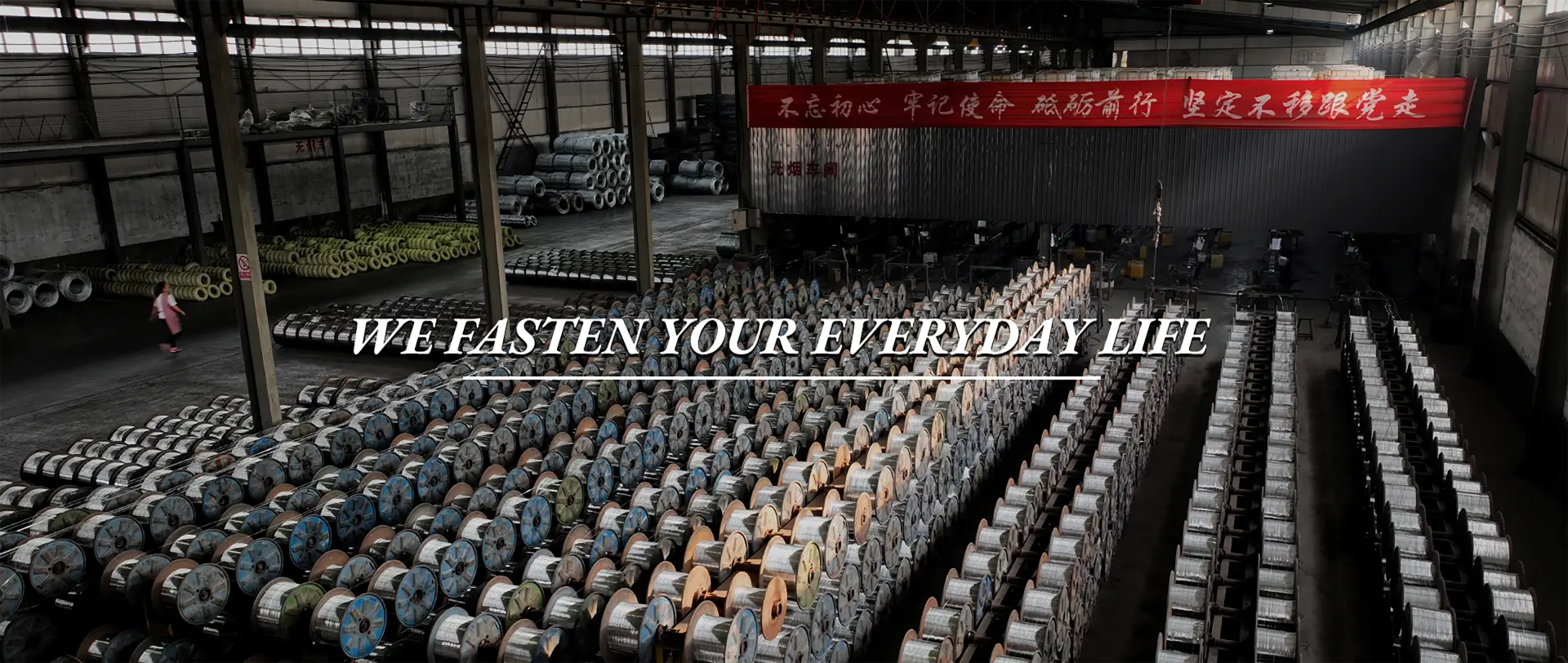
For manufacturers involved in large-scale metal production, sourcing reliable components through established supply chains—such as the specialized production lines managed by groups like the Baoding Yongwei Group—ensures that the raw wire and finished nails meet international standards. This consistency is what allows large-scale industrial projects in Europe, the Middle East, and Southeast Asia to maintain structural safety.
Future Trends in Metal Fastening
We are seeing a trend toward automated fastening systems that require higher precision in staple and nail dimensions. As automation increases, the tolerance levels for error decrease. The industry is moving toward "zero-complaint" quality standards, where the material's metallurgical consistency is verified at every stage of the manufacturing process, from the initial wire drawing to the final nail coating.