



Introduction
Secure screw in drywall is a critical fastening method in modern construction, integral to the structural integrity and aesthetic finishing of interior wall and ceiling systems. Unlike simple drywall screws, secure screw systems often incorporate specialized screw designs, enhanced installation techniques, or anchoring mechanisms designed to provide superior holding power, particularly in applications subject to dynamic loads or requiring increased safety. This guide provides an in-depth examination of the material science, manufacturing processes, performance characteristics, potential failure modes, and industry standards governing secure screw in drywall applications. Its position within the construction industry chain is fundamental; it's the last direct mechanical link securing the finish layer to the structural framework, thus its reliability directly impacts overall building performance and safety. Core performance indicators include shear strength, pull-out resistance, and the ability to maintain consistent holding power under fluctuating environmental conditions. A key industry pain point is the inconsistency in drywall quality and screw performance leading to field failures, costly repairs and potential liability.
Material Science & Manufacturing
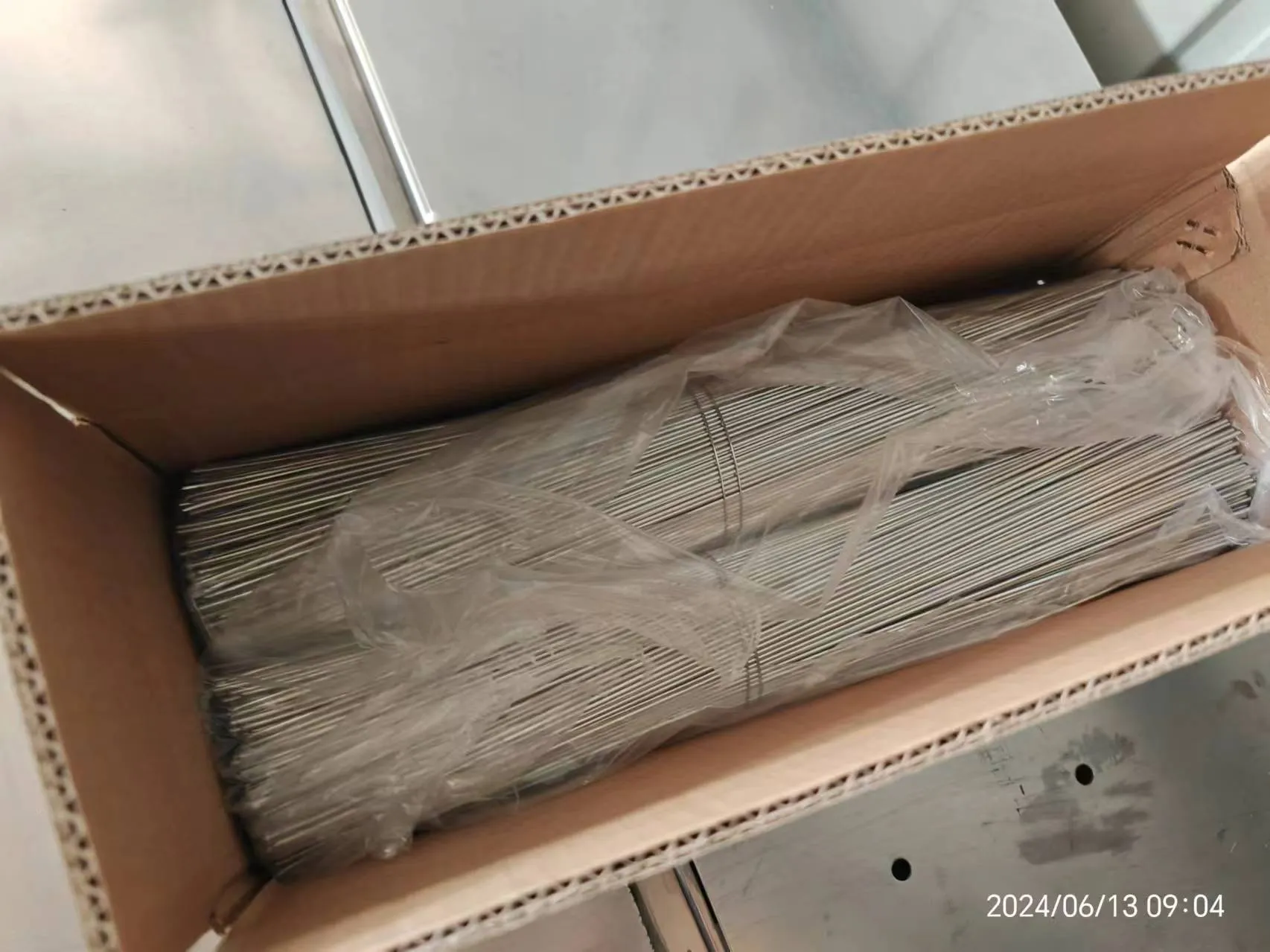
The foundation of secure screw in drywall systems lies in the materials comprising both the screws and the drywall itself. Drywall, typically gypsum plasterboard, consists of a gypsum core encased in paper facing. The gypsum core’s density and purity, as well as the paper’s tensile strength and moisture resistance, directly impact screw holding capacity. Screw manufacturing generally begins with carbon steel wire (typically SAE 1022 or equivalent) due to its balance of strength, ductility, and cost-effectiveness. Higher performance screws may utilize alloy steels, like 4140 or stainless steel (304 or 316) for enhanced corrosion resistance. Manufacturing involves cold heading, thread rolling, and heat treatment. Cold heading forms the screw head, while thread rolling imparts the screw threads. Critical parameters during thread rolling include die angle, feed rate, and lubrication to ensure accurate thread formation without compromising material integrity. Heat treatment – typically quenching and tempering – is vital for achieving the desired hardness and tensile strength (typically 800-1200 MPa for carbon steel screws). Specialized coatings, such as phosphate or polymer coatings, are applied to enhance corrosion resistance and reduce friction during installation. Screw tip geometries, including sharp points, self-drilling tips, and specialized thread designs, are engineered to optimize penetration and engagement with the drywall core. The quality control process involves rigorous testing of material composition, hardness, tensile strength, and coating thickness to ensure compliance with industry standards. The interaction between drywall paper and screw coatings requires careful consideration; incompatibility can lead to accelerated corrosion.
Performance & Engineering
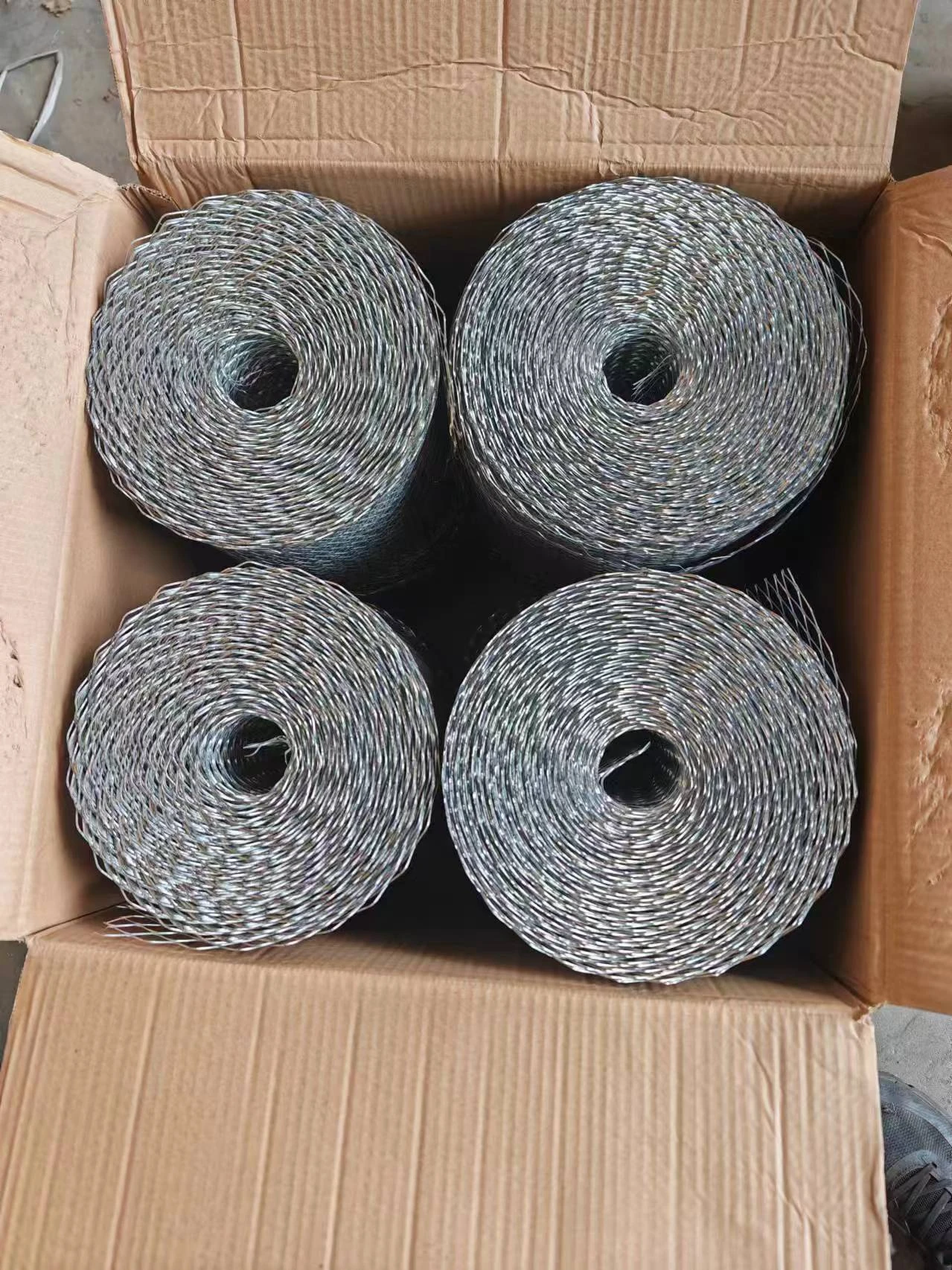
The performance of secure screw in drywall systems is governed by complex engineering principles, particularly those related to fastener mechanics and material behavior. Force analysis centers around shear stress and tensile stress experienced by the screw when subjected to loads. Shear stress arises from lateral forces, while tensile stress results from pull-out attempts. The holding power is directly proportional to the screw's shear strength and pull-out resistance. Environmental resistance is also crucial, with factors like humidity and temperature fluctuations impacting the gypsum core's structural integrity and the screw’s susceptibility to corrosion. Compliance requirements, as dictated by building codes (e.g., IBC in the US, Eurocode in Europe), specify minimum screw spacing, edge distance, and screw penetration depth to ensure structural stability. Furthermore, fire resistance ratings for drywall assemblies are heavily influenced by the screw type and installation method; improper installation can compromise the assembly's ability to resist fire spread. Specific engineering considerations include the differential thermal expansion between the drywall and the supporting framing members, which can induce stresses on the screws over time. Specialized screws incorporating self-tapping features reduce installation torque, minimizing damage to the drywall face paper. The use of finite element analysis (FEA) is becoming increasingly common to optimize screw designs and predict performance under various loading scenarios. Fatigue resistance is critical for applications subject to repeated loading, requiring screws with high fatigue strength and robust thread designs.
Technical Specifications
| Screw Diameter (mm) | Screw Length (mm) | Tensile Strength (MPa) | Shear Strength (MPa) |
|---|---|---|---|
| 3.5 | 25 | 800 | 600 |
| 3.5 | 38 | 850 | 650 |
| 3.5 | 57 | 900 | 700 |
| 4.2 | 38 | 950 | 750 |
| 4.2 | 57 | 1000 | 800 |
| 4.2 | 75 | 1100 | 850 |
Failure Mode & Maintenance
Failure in secure screw in drywall systems can manifest through several modes. Fatigue cracking, resulting from cyclical loading, often initiates at the screw threads or head, eventually leading to complete failure. Delamination of the drywall face paper from the gypsum core is a common issue, particularly when screws are overtightened or subjected to excessive shear stress. Degradation of the screw’s coating, often due to corrosion, reduces its strength and increases the risk of failure. Oxidation of the steel screw can also weaken it over time. Pull-out failure occurs when the screw loses its grip within the gypsum core, often due to inadequate screw length or low drywall density. Shear failure happens when the screw’s shank breaks under excessive lateral force. Preventative maintenance is limited, but proper installation is paramount. Screws should be driven perpendicular to the drywall surface and to the correct depth without stripping the threads. Regular inspection of drywall assemblies in high-stress areas can identify early signs of failure, such as cracks around screw heads or loose screws. If failures are detected, screws should be replaced with appropriately sized and coated screws. Addressing underlying moisture issues is also crucial, as moisture accelerates corrosion and degrades the gypsum core. In environments prone to corrosion, the use of stainless steel screws is highly recommended. Periodic tightening of screws may be necessary in areas subject to vibration or significant temperature fluctuations.
Industry FAQ
Q: What is the optimal screw spacing for standard 12.7mm drywall?
A: Generally, screw spacing for 12.7mm (1/2 inch) drywall should be 305mm (12 inches) on centers along studs and joists. For the perimeter of the drywall sheet, spacing should be 152mm (6 inches) on centers. However, this can be adjusted based on the specific load requirements and local building codes.
Q: How does drywall thickness affect screw length selection?
A: Drywall thickness directly dictates screw length. For 12.7mm drywall, a 38mm screw is typically used. For 15.9mm (5/8 inch) drywall, a 57mm screw is generally recommended. The goal is to ensure adequate penetration into the framing member without protruding through it.
Q: What is the impact of screw head type on drywall performance?
A: Bugle head screws are standard, as they countersink without tearing the drywall paper. Trim head screws offer a flatter finish, but may provide slightly less holding power. Wafer head screws distribute load better and are often used in specialized applications. Selecting the proper head type minimizes damage to the drywall surface.
Q: Can different coatings be used to improve corrosion resistance?
A: Yes. Phosphate coatings are a common, cost-effective option. Polymer coatings offer superior corrosion resistance, especially in high-humidity environments. Stainless steel screws (304 or 316) provide the highest level of corrosion protection, but are more expensive.
Q: What are the key considerations when using self-drilling screws in metal studs?
A: Self-drilling screws require sufficient metal stud thickness (minimum 0.9mm/0.036 inch) for optimal performance. Ensure the drill point is appropriate for the steel gauge. Over-drilling can compromise holding power. Use screws specifically designed for metal stud applications.
Conclusion
Secure screw in drywall represents a deceptively complex system, reliant on a confluence of material science, precise manufacturing, and rigorous engineering principles. Understanding the interplay between screw properties, drywall characteristics, and environmental factors is paramount to achieving long-term structural integrity and preventing premature failure. Proper screw selection, installation technique, and adherence to industry standards are not merely best practices; they are fundamental requirements for safe and durable construction.
Looking ahead, advancements in screw materials – such as improved alloy steels and corrosion-resistant coatings – will continue to enhance performance and longevity. The increased adoption of building information modeling (BIM) and digital construction tools will enable more accurate screw placement and optimization of fastening patterns. A greater emphasis on quality control throughout the entire supply chain, from raw material sourcing to final installation, will be crucial for mitigating the risk of field failures and ensuring the sustained reliability of secure screw in drywall systems.