



Breeding Automation Equipments are reshaping the efficiency of modern livestock facilities. As global food demand rises, the agricultural sector is shifting from manual labor-intensive processes to highly controlled, technology-driven environments. This transition is not merely about replacing hands with machines, but about optimizing the biological potential of livestock through environmental control and structural precision.
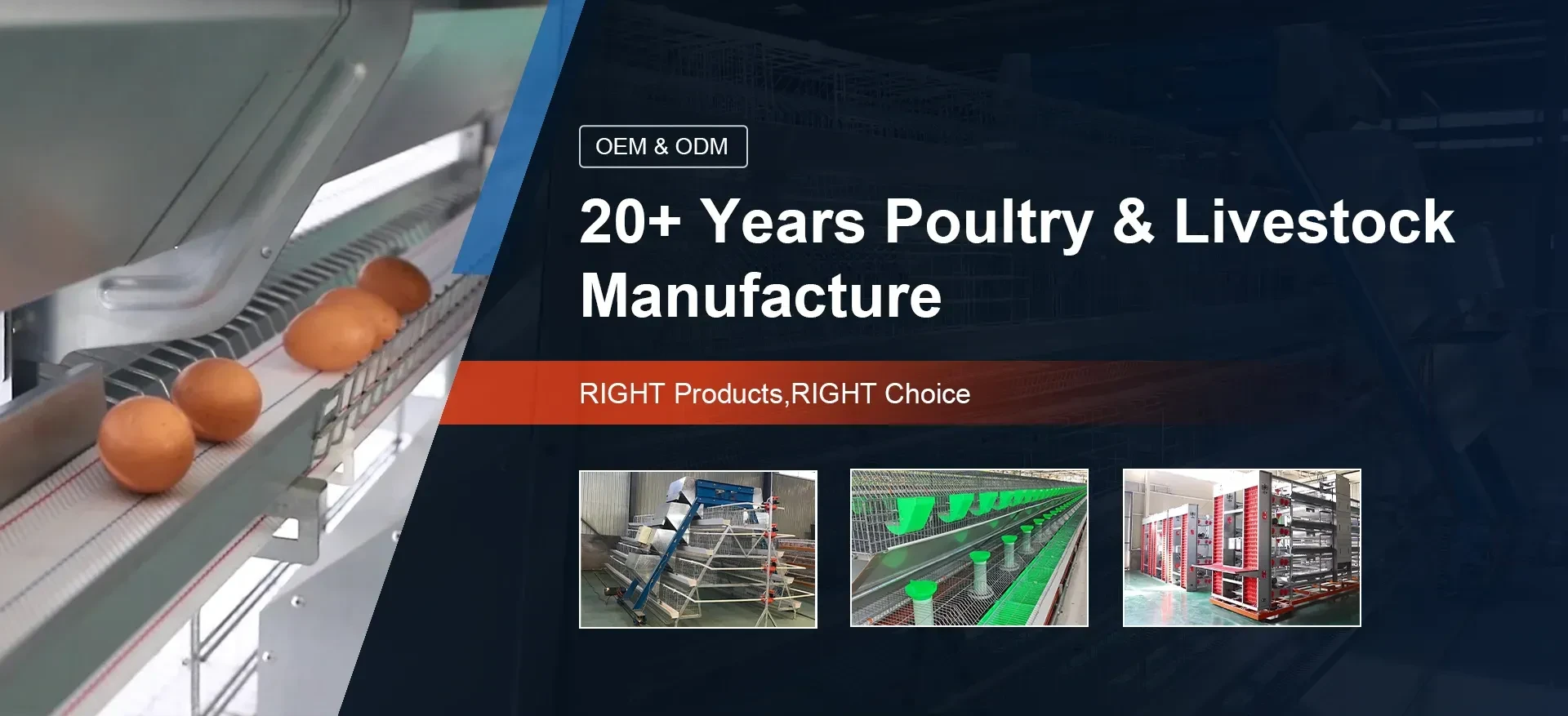
The core of this evolution lies in the materials used to house and manage animals. Traditional wooden or heavy iron enclosures are increasingly being replaced by specialized wire mesh and stainless steel systems. These materials offer superior ventilation, easier sanitation, and greater durability against the corrosive nature of organic waste, which is essential for long-term biosecurity.
Material Science and Biosecurity
In intensive farming, biosecurity is the highest priority. The structural design of animal housing must prevent the spread of pathogens while ensuring the well-being of the stock. This is where high-grade expanded metal and perforated mesh play a critical role. These materials allow for controlled airflow and light penetration, reducing the humidity levels that often trigger respiratory issues in poultry and small livestock.
Furthermore, the selection of wire gauges and coating types—such as galvanized or stainless steel—impacts the lifecycle of the facility. For instance, when designing specialized enclosures like Rabbit Cages, the mesh must be strong enough to prevent structural failure while being smooth enough to prevent physical injury to the animals.
The Role of the Supply Chain in Agricultural Stability
The move toward automation requires a robust supply chain capable of delivering specialized components at scale. Modern producers, such as Anping County Yize Metal Products Co., Ltd., act as the silent backbone of this industry by providing the raw wire mesh, fencing, and cage components that allow large-scale farms to function. Without a steady flow of high-quality stainless steel wire and precision-engineered breeding mesh, the automation revolution would stall at the prototype stage.
Key Trends Driving Industry Growth:
- Smart Monitoring Integration: Combining physical mesh structures with IoT sensors to monitor waste and feeding.
- Sustainability in Materials: Utilizing recyclable metals to reduce the carbon footprint of agricultural infrastructure.
- Modular Housing: Designing expandable cage systems that allow farmers to scale operations based on market demand.
Conclusion
As we look toward the future of global agriculture, the synergy between biological science and metallurgical engineering will only deepen. The ability to produce high-quality, durable, and hygienic metal components is no longer just a manufacturing requirement; it is a prerequisite for global food security and efficient livestock management.