



Introduction
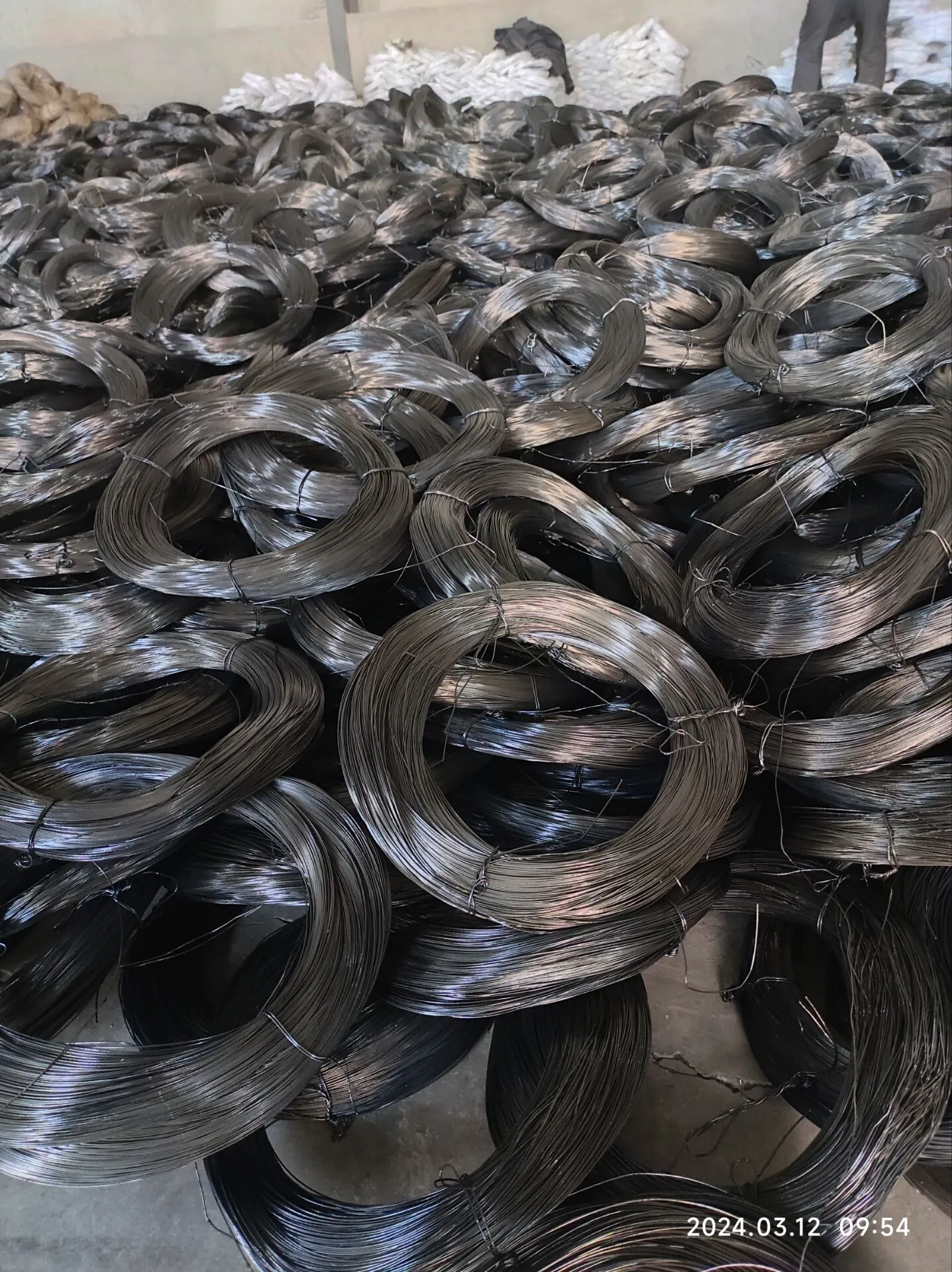
Annealed iron wire is a ferrous metal product manufactured from low-carbon steel wire that has undergone a heat treatment process known as annealing. This process imparts enhanced ductility and malleability to the wire, making it suitable for a wide range of applications spanning construction, agriculture, manufacturing, and crafting. Positioned within the metallurgical industry as a semi-finished product, annealed iron wire serves as a crucial intermediary material for further processing into components like fasteners, mesh, binding wire, and springs. Its core performance characteristics center around its formability, tensile strength, and corrosion resistance – all properties heavily influenced by the annealing process and subsequent surface treatments. The increasing demand for customized wire products and the need for cost-effective materials drive continued interest in optimizing annealed iron wire production and performance.
Material Science & Manufacturing
Annealed iron wire typically begins with low-carbon steel, possessing a carbon content generally between 0.05% and 0.25% by weight. The primary raw material is hot-rolled or cold-drawn steel rod, chosen for its initial ductility. The manufacturing process begins with wire drawing, reducing the diameter of the steel rod through a series of progressively smaller dies. This cold working process increases the steel’s tensile strength but reduces its ductility. Crucially, the annealing process reverses this effect. Annealing involves heating the wire to a specific temperature, typically between 550°C and 850°C, held at that temperature for a defined period, and then slowly cooled. The cooling rate is paramount; a slower cooling rate results in increased ductility and reduced internal stresses. Different annealing methods are employed, including full annealing (slow cooling in a furnace), process annealing (for intermediate annealing during cold working), and stress-relieving annealing (to remove residual stresses without significantly altering the microstructure). The microstructure of annealed iron wire consists primarily of ferrite and pearlite. The ratio of these phases, and their distribution, are influenced by the carbon content and the annealing temperature. Surface treatments, such as galvanization or phosphating, are often applied post-annealing to enhance corrosion resistance. Precise control of temperature, atmosphere (often using inert gases to prevent oxidation), and cooling rate are essential parameters to achieve the desired mechanical properties and metallurgical structure.
Performance & Engineering
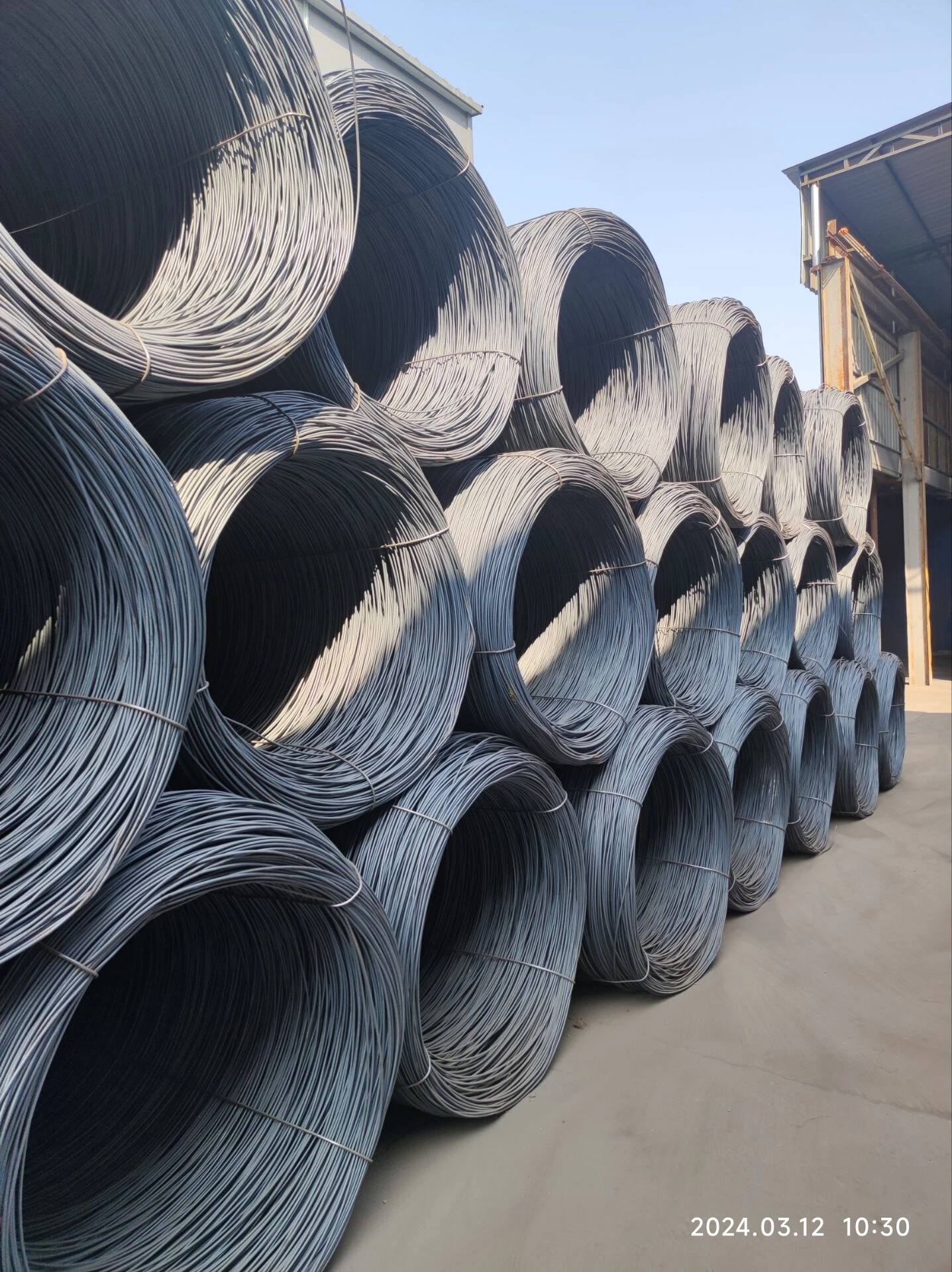
The performance of annealed iron wire is predominantly characterized by its tensile strength, elongation, and yield strength. These properties are directly influenced by the annealing process and the steel's chemical composition. Force analysis reveals that annealed iron wire exhibits a relatively low yield strength compared to higher-carbon or alloyed steel wires, making it easier to bend and form without fracturing. However, this comes at the cost of lower load-bearing capacity. Environmental resistance is a key engineering consideration. While the iron wire itself is susceptible to corrosion, especially in humid or saline environments, galvanization significantly improves its resistance to rust. The thickness of the galvanizing layer directly correlates to the level of protection offered. Compliance requirements vary based on application. For agricultural use, wire must meet standards related to zinc coating thickness and durability. For construction applications, specifications dictate minimum tensile strength and elongation values. The wire's behavior under cyclical loading is also critical, particularly in applications involving repetitive bending or twisting. Fatigue analysis must be performed to determine the wire’s lifespan and predict potential failure points. The selection of appropriate annealing parameters and surface treatments is therefore critical to ensuring long-term performance and structural integrity. The wire's susceptibility to hydrogen embrittlement, particularly during galvanization, also warrants careful consideration; proper cleaning and passivation procedures are necessary to mitigate this risk.
Technical Specifications
| Parameter | Typical Value (SAE 1008 Steel) | Units | Test Method |
|---|---|---|---|
| Tensile Strength | 380-480 | MPa | ASTM A882 |
| Yield Strength | 130-200 | MPa | ASTM A882 |
| Elongation (at break) | 20-30 | % | ASTM A882 |
| Diameter | 0.5 - 6.0 | mm | Micrometer |
| Zinc Coating Thickness (Galvanized) | 30-60 | µm | ASTM B693 |
| Carbon Content | 0.08 - 0.12 | % | ASTM E415 |
Failure Mode & Maintenance
Annealed iron wire is susceptible to several failure modes in practical applications. Fatigue cracking is common in applications involving repeated bending or tensile stress, initiating at stress concentrations such as surface imperfections or bends. Corrosion, particularly in unprotected environments, leads to localized degradation and eventual fracture. Hydrogen embrittlement, as previously mentioned, can occur during galvanization, increasing the risk of brittle failure under tensile stress. Overloading beyond the wire’s tensile strength will result in ductile fracture, characterized by significant plastic deformation before rupture. Creep, the slow and progressive deformation under sustained load, can occur at elevated temperatures. Maintenance primarily focuses on preventative measures. Regular inspection for corrosion, cracks, and deformation is crucial. For galvanized wire, periodic re-coating may be necessary in harsh environments. Lubrication of the wire during bending or forming operations can reduce friction and prevent galling. Proper storage in a dry environment minimizes corrosion risks. Should damage be detected, wire sections exhibiting cracks, severe corrosion, or significant deformation should be replaced immediately. Avoid subjecting the wire to extreme temperatures or corrosive chemicals unless specifically designed for such environments. The lifespan of the wire can be significantly extended through diligent inspection and timely maintenance.
Industry FAQ
Q: What is the impact of cooling rate during annealing on the final wire properties?
A: The cooling rate during annealing is critical. A slower cooling rate generally results in softer, more ductile wire with reduced internal stresses. Faster cooling can lead to increased hardness and strength, but also higher residual stresses and potential brittleness. The optimal cooling rate is determined by the specific steel composition and desired properties.
Q: How does the zinc coating thickness affect the corrosion resistance of galvanized iron wire?
A: Zinc coating thickness is directly proportional to corrosion resistance. Thicker coatings provide a more robust barrier against environmental factors. ASTM B693 specifies different coating classes (Class 1, 2, and 3) with varying zinc coating weights, offering different levels of protection based on the intended application and environmental severity.
Q: What are the primary differences between full annealing and process annealing?
A: Full annealing involves heating the wire to a temperature above the upper critical temperature, holding it, and then slow cooling, resulting in a completely transformed microstructure. Process annealing, however, is performed at lower temperatures, below the upper critical temperature, and is often used during intermediate stages of cold working to relieve stresses and restore ductility without significantly altering the overall microstructure.
Q: What are the potential consequences of hydrogen embrittlement in annealed iron wire?
A: Hydrogen embrittlement can significantly reduce the ductility and load-bearing capacity of the wire, making it prone to brittle fracture under tensile stress. This is particularly a concern during the galvanization process, where atomic hydrogen can diffuse into the steel lattice. Proper cleaning and passivation treatments are crucial to mitigate this risk.
Q: How does carbon content impact the mechanical properties of annealed iron wire?
A: Generally, increasing carbon content increases tensile strength and hardness but reduces ductility. Annealed iron wire typically has a low carbon content (0.05-0.25%) to prioritize ductility and formability. Higher carbon content would require more aggressive annealing processes and potentially result in a less malleable product.
Conclusion
Annealed iron wire represents a foundational material in a diverse range of industries, providing a balance of ductility, formability, and cost-effectiveness. Its performance is fundamentally linked to the careful control of the manufacturing process, particularly the annealing parameters and subsequent surface treatments. Understanding the metallurgical principles governing its behavior, including potential failure modes such as corrosion and fatigue, is crucial for ensuring its long-term reliability and structural integrity.
Future advancements in annealed iron wire technology will likely focus on developing more environmentally friendly galvanization processes, exploring alternative surface coatings with enhanced corrosion resistance, and optimizing annealing cycles for specific alloy compositions. Further research into the impact of microstructural features on fatigue life will also be essential for improving the wire’s performance in demanding applications. The continued demand for cost-effective and reliable wire products ensures that annealed iron wire will remain a significant material in the manufacturing landscape.