



Introduction
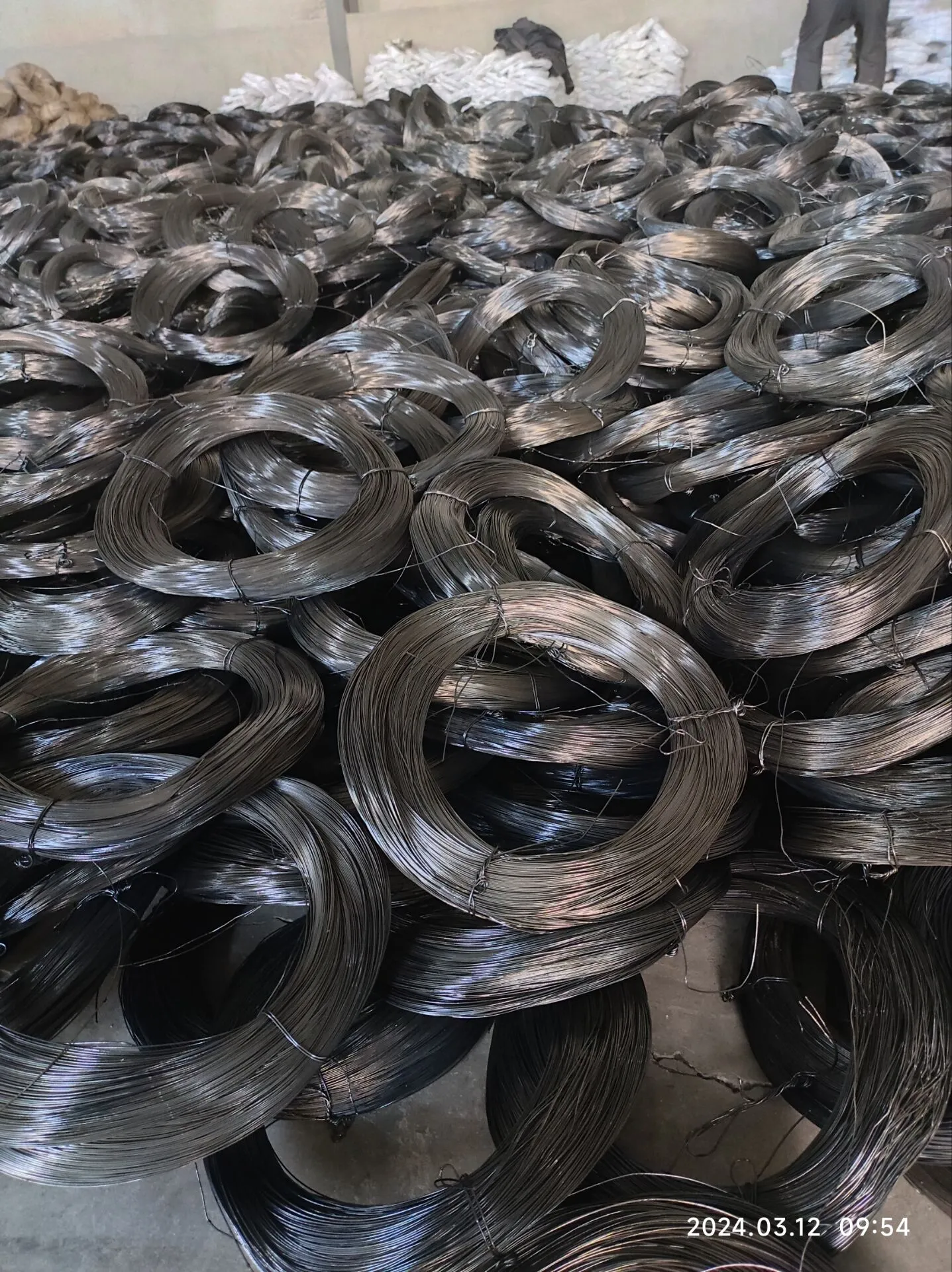
Annealed wire is a metallic conductor, typically steel, copper, or aluminum, that has undergone a controlled heating and cooling process – annealing – to relieve internal stresses and improve ductility. Within the industrial chain, it functions as a critical intermediate material, serving as feedstock for numerous downstream applications, including cable manufacturing, spring production, fastener creation, and welding electrode core wire. Its defining performance characteristics revolve around increased malleability, reduced tensile strength compared to work-hardened wire, and enhanced electrical conductivity, especially vital in electrical applications. The primary pain point for industries utilizing annealed wire centers around maintaining consistent material properties across batches, particularly concerning tensile strength and elongation, as deviations impact fabrication processes and final product quality. Furthermore, ensuring adequate surface cleanliness and freedom from scale formation post-annealing is paramount to avoid corrosion and facilitate subsequent coating or drawing operations.
Material Science & Manufacturing
The raw materials for annealed wire – predominantly low-carbon steel, electrolytic copper, or aluminum alloys – exhibit distinct physical and chemical properties. Steel, frequently AISI 1008 or 1010, possesses inherent strength but limited ductility in its cold-worked state. Copper, renowned for its high electrical conductivity (approximately 5.96 x 10^7 S/m), is typically sourced as electrolytic-grade wire rod. Aluminum alloys, such as 1100 or 3003, offer a balance of conductivity and strength, albeit lower than copper. Manufacturing begins with cold drawing to achieve the desired wire diameter. The critical step is annealing, performed in a controlled atmosphere (often inert gases like nitrogen or argon, or a reducing atmosphere of hydrogen) to prevent oxidation. Batch annealing, continuous annealing, and bright annealing are common methods. Batch annealing involves heating coils of wire to a specific temperature (typically 500-700°C for steel, 300-500°C for copper, and 400-500°C for aluminum) and holding them for a designated period, followed by slow cooling. Continuous annealing utilizes a conveyor system passing wire through heated zones. Bright annealing, employing protective atmospheres and careful temperature control, minimizes surface oxidation, resulting in a cleaner, scale-free product. Key parameters include heating rate, soak time, cooling rate, and atmosphere composition. Precise control is crucial; rapid cooling can re-introduce stresses, while excessive temperatures lead to grain growth and loss of mechanical properties. Surface contaminants, such as drawing compounds or oxides, are often removed via pickling with dilute acids post-annealing.
Performance & Engineering
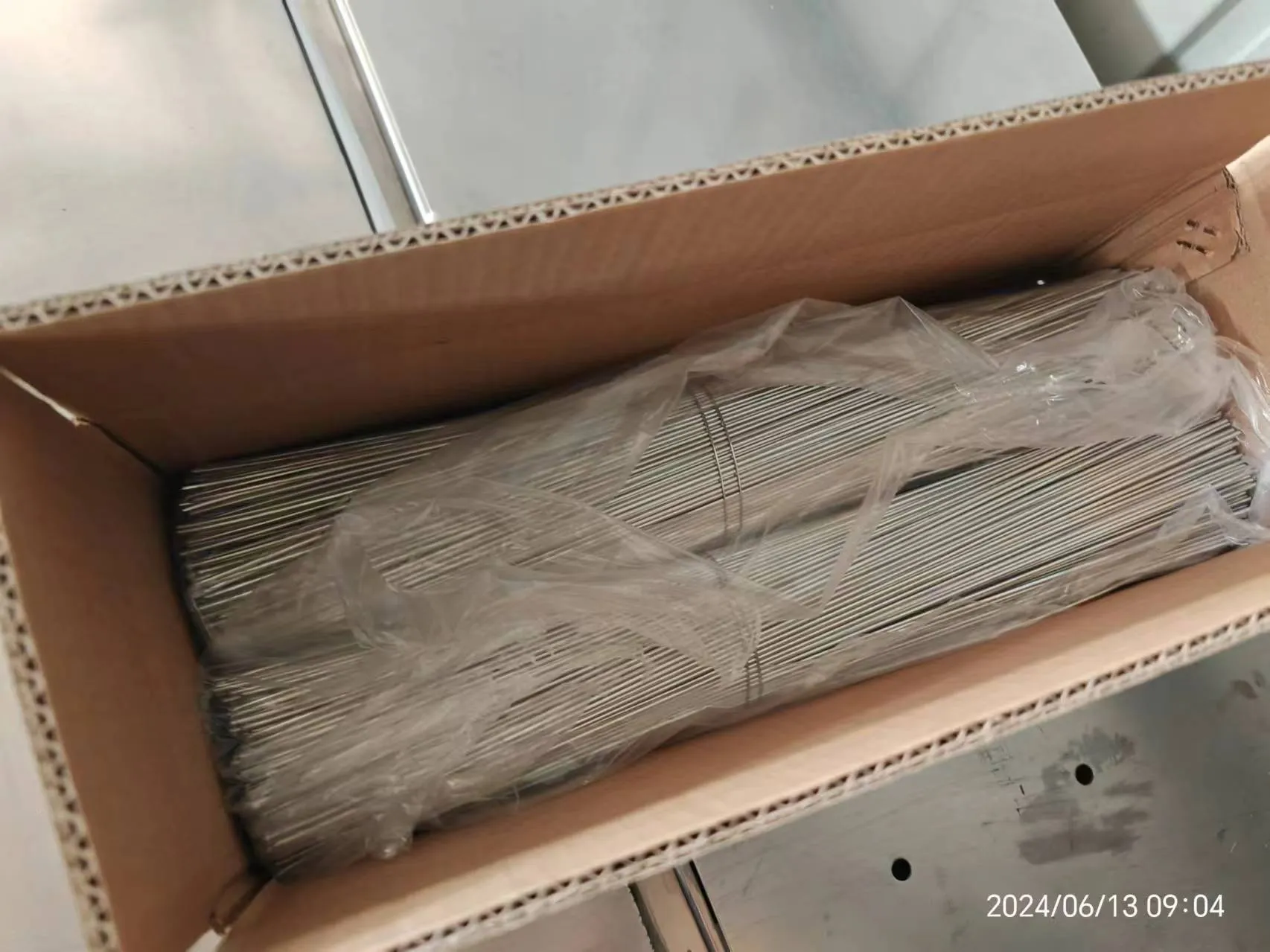
The performance of annealed wire is fundamentally governed by its mechanical properties, particularly tensile strength, elongation, and yield strength. Annealing drastically reduces tensile strength, enhancing ductility – essential for forming operations like bending and coiling. Engineering calculations regarding force analysis must account for the reduced strength when designing components. Environmental resistance is a key consideration; steel wire is susceptible to corrosion, especially in humid environments. Coating with zinc (galvanizing), copper, or polymer films provides corrosion protection. Copper wire exhibits excellent corrosion resistance but can suffer from tarnishing. Aluminum wire, while naturally corrosion-resistant due to passivation, may experience galvanic corrosion when in contact with dissimilar metals. Compliance requirements vary based on application. Electrical applications necessitate adherence to UL, IEC, or CSA standards regarding conductivity and insulation properties. For automotive applications, material specifications and performance criteria are dictated by standards like ISO/TS 16949. Furthermore, the wire’s dimensional accuracy (diameter consistency) and surface finish are critical for subsequent processing steps, like winding and insulation application. The wire’s ability to withstand repeated bending cycles without failure – its fatigue life – is also a vital engineering parameter, especially in spring manufacturing.
Technical Specifications
| Material Grade | Tensile Strength (MPa) | Elongation (%) | Diameter (mm) |
|---|---|---|---|
| AISI 1008 Steel | 300-400 | 25-30 | 0.5 - 6.0 |
| Electrolytic Copper (99.9%) | 220-280 | 40-45 | 0.2 - 4.0 |
| Aluminum Alloy 1100 | 90-120 | 35-40 | 0.3 - 5.0 |
| AISI 1010 Steel | 350-450 | 20-25 | 0.8 - 8.0 |
| Electrolytic Copper (99.95%) | 250-300 | 45-50 | 0.1 - 3.0 |
| Aluminum Alloy 3003 | 140-180 | 30-35 | 0.5 - 6.0 |
Failure Mode & Maintenance
Annealed wire is susceptible to several failure modes. Fatigue cracking can occur under cyclical loading, particularly in spring applications, initiated by microscopic surface defects. Corrosion, especially in steel wire, leads to weakening and eventual fracture. Hydrogen embrittlement, arising from hydrogen diffusion into the metal lattice during pickling or electroplating, can significantly reduce ductility and promote brittle failure. Oxidation, despite annealing in protective atmospheres, can still occur during storage and handling, creating surface defects and reducing corrosion resistance. Delamination of coatings (e.g., galvanizing) weakens protection and accelerates corrosion. Maintenance typically involves preventative measures. Proper storage in a dry, controlled environment minimizes corrosion. Regular inspection for surface defects, cracks, or coating damage is crucial. For applications involving corrosive environments, periodic re-coating or application of corrosion inhibitors is recommended. In the case of hydrogen embrittlement, baking (heating to a moderate temperature) can facilitate hydrogen diffusion out of the metal. Avoidance of harsh bending radii and excessive tensile stresses during installation also extends service life.
Industry FAQ
Q: What is the impact of cooling rate during annealing on the final mechanical properties of steel wire?
A: The cooling rate is paramount. Slow cooling promotes the formation of a softer, more ductile microstructure with lower tensile strength, ideal for forming operations. Rapid cooling, such as quenching, can re-introduce internal stresses and increase hardness, potentially leading to brittleness and making the wire less suitable for bending or coiling applications.
Q: How does the purity of the copper affect its electrical conductivity after annealing?
A: Higher purity copper (e.g., 99.99%) exhibits significantly higher electrical conductivity compared to lower purity grades. Impurities act as scattering centers for electrons, hindering their flow and reducing conductivity. Electrolytic-grade copper is typically used for annealed wire intended for electrical applications to ensure optimal performance.
Q: What measures can be taken to prevent oxidation during annealing, especially for copper wire?
A: Annealing in a controlled atmosphere – typically a reducing atmosphere (hydrogen) or an inert atmosphere (nitrogen or argon) – is essential. Maintaining a positive pressure of the protective gas prevents air infiltration. Bright annealing, employing specialized atmospheres and temperature control, minimizes scale formation and provides a clean, oxide-free surface.
Q: What are the typical quality control checks performed on annealed wire after production?
A: Quality control checks include diameter measurement to ensure dimensional accuracy, tensile testing to verify mechanical properties (tensile strength, elongation), eddy current testing to detect surface defects, and conductivity testing (for electrical applications). Visual inspection for surface finish and coating integrity is also performed.
Q: How does the choice of annealing temperature influence the grain size and resulting ductility of the wire?
A: Higher annealing temperatures promote grain growth. While larger grains generally increase ductility, excessive grain growth can reduce strength. The optimal annealing temperature is carefully selected to achieve the desired balance between ductility and strength for the specific application. Lower temperatures refine the grain structure while still providing sufficient ductility.
Conclusion
Annealed wire represents a fundamental material in numerous industrial processes, its utility stemming from the carefully controlled reduction of internal stresses and enhancement of ductility achieved through the annealing process. Understanding the interplay between material science, manufacturing parameters, and performance characteristics is crucial for selecting the appropriate grade and processing method to meet specific application requirements. Maintaining consistent quality through rigorous quality control and preventative maintenance protocols ensures long-term reliability and minimizes the risk of premature failure.
Future advancements in annealing technology will likely focus on optimizing atmosphere control, implementing real-time process monitoring, and developing more energy-efficient annealing processes. Furthermore, the increasing demand for high-performance alloys and specialized wire coatings will drive innovation in annealing techniques to accommodate these materials and ensure optimal material properties and surface characteristics.