




Introduction
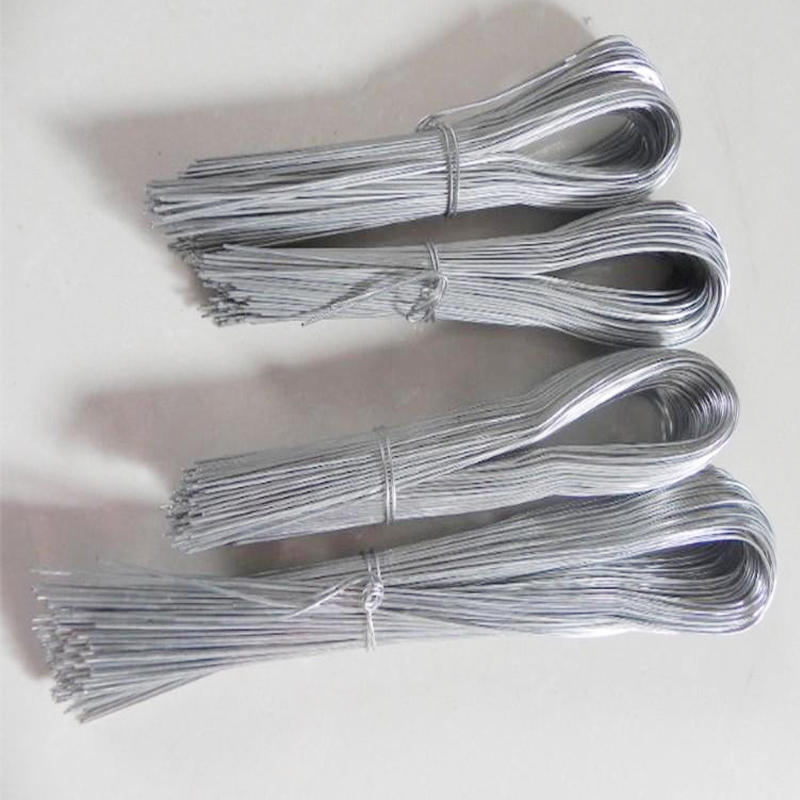
Binding iron wire, also commonly referred to as tie wire or binding wire, is a fundamental fastening material utilized extensively across a diverse range of industrial, agricultural, and construction applications. This guide provides a comprehensive technical overview of binding iron wire, encompassing its material science, manufacturing processes, performance characteristics, potential failure modes, and relevant industry standards. Its primary function is to securely bind or fasten objects together, offering a cost-effective and readily deployable solution. Within the industry chain, it serves as a critical component in applications ranging from reinforcing concrete structures and securing fencing to bundling agricultural products and packaging goods. Core performance criteria include tensile strength, ductility, corrosion resistance, and ease of manipulation. The consistent demand for binding wire is directly correlated with the health of construction, agriculture, and manufacturing sectors globally.
Material Science & Manufacturing
The predominant material used in binding iron wire production is low-carbon steel, typically ranging from SAE 1008 to SAE 1018. These steels offer an optimal balance of ductility and tensile strength necessary for effective binding. The raw material is initially produced through the basic oxygen steelmaking process or electric arc furnace. Key physical properties include a density of approximately 7.87 g/cm³, a Young's modulus ranging from 190-200 GPa, and a tensile strength typically between 300-400 MPa depending on the specific grade and processing. Chemical composition is meticulously controlled, with carbon content typically below 0.15% to maintain ductility. Manufacturing begins with hot rolling of steel billets into wire rod. This is followed by drawing the wire rod through a series of dies to progressively reduce its diameter, a process known as cold drawing. Cold drawing increases tensile strength but also reduces ductility, necessitating intermediate annealing steps to restore workability. Annealing involves heating the wire to a specific temperature (typically 600-700°C) and slow cooling. Surface treatments, such as galvanization or PVC coating, are often applied to enhance corrosion resistance. Galvanization involves immersing the wire in a molten zinc bath, creating a protective zinc coating. PVC coating is achieved through extrusion, applying a layer of polyvinyl chloride around the wire. Parameter control is critical throughout the manufacturing process, particularly die lubrication during drawing, annealing temperature and time, and coating thickness. Precise control over these parameters ensures consistent wire diameter, tensile strength, and coating adhesion.
Performance & Engineering
The performance of binding iron wire is fundamentally governed by its mechanical properties and environmental resistance. Force analysis centers on the tensile strength and elongation at break. The wire must withstand the stresses imposed during binding and remain secure under anticipated loading conditions. The required tensile strength is dictated by the application; heavier loads demand higher strength wire. Ductility, quantified by elongation at break, is crucial for allowing the wire to be easily twisted and formed without fracturing. Environmental resistance is a significant concern, particularly in outdoor applications. Corrosion is a primary degradation mechanism. Galvanized or PVC-coated wire offers significantly improved corrosion resistance compared to bare wire. The thickness of the zinc coating or PVC layer directly impacts the wire's longevity in corrosive environments. Compliance requirements vary depending on the application. For example, wire used in concrete reinforcement must meet specific standards related to yield strength and weldability. In packaging applications, the wire must comply with regulations regarding food contact safety. Functional implementation involves considering the binding method – whether it's simple twisting, using a binding tool, or automated wire tying. The wire’s diameter and gauge must be selected to match the capabilities of the binding equipment. Fatigue resistance is also a factor, especially in applications involving repeated stress or vibration.
Technical Specifications
| Diameter (mm) | Tensile Strength (MPa) | Elongation at Break (%) | Zinc Coating Thickness (µm) (Galvanized Wire) |
|---|---|---|---|
| 0.8 | 350 | 25 | 45 |
| 1.0 | 400 | 20 | 55 |
| 1.2 | 450 | 18 | 65 |
| 1.5 | 500 | 15 | 75 |
| 2.0 | 550 | 12 | 85 |
| 2.5 | 600 | 10 | 95 |
Failure Mode & Maintenance
Common failure modes for binding iron wire include tensile fracture, corrosion-induced failure, and fatigue cracking. Tensile fracture occurs when the applied stress exceeds the wire's ultimate tensile strength. This can result from overloading or improper binding techniques. Corrosion, particularly in chloride-rich environments, leads to pitting and eventual wire failure. The rate of corrosion depends on the severity of the environment and the effectiveness of the protective coating. Fatigue cracking can occur in applications involving repeated bending or vibration, initiating at stress concentrators such as bends or kinks. Delamination of the PVC coating can also occur over time, exposing the underlying steel to corrosion. Oxidation can also occur at high temperatures. Maintenance primarily focuses on preventative measures. Regular inspection of binding wire installations is crucial to identify signs of corrosion, damage, or loosening. Replacement of damaged or corroded wire is essential to prevent catastrophic failure. In highly corrosive environments, consider using wire with thicker zinc coatings or alternative corrosion-resistant materials like stainless steel. Proper storage of wire coils is also important to prevent moisture absorption and subsequent corrosion. Avoid storing wire in direct contact with the ground or in areas prone to flooding. Periodic application of a protective coating, such as oil or grease, can further enhance corrosion resistance.
Industry FAQ
Q: What is the impact of annealing temperature on the ductility of binding iron wire?
A: Annealing temperature is critical. Insufficient annealing results in retained internal stresses, leading to lower ductility and increased susceptibility to fracture during bending. Excessive annealing can lead to grain growth, reducing strength. Optimal annealing temperatures, typically between 600-700°C, restore ductility while maintaining adequate strength.
Q: How does the diameter of binding wire affect its load-bearing capacity?
A: Load-bearing capacity is directly proportional to the wire's cross-sectional area, which increases with diameter. A larger diameter wire possesses a greater tensile strength and can withstand higher loads before fracturing. However, larger diameter wire is also more difficult to manipulate and may require specialized binding tools.
Q: What are the benefits of using PVC-coated binding wire versus galvanized wire?
A: PVC coating provides a superior barrier against corrosion, particularly in aggressive chemical environments. It also offers a degree of insulation and prevents scratching or abrasion of the bound materials. Galvanized wire offers good corrosion resistance at a lower cost, but the zinc coating can be damaged over time.
Q: What is the typical lifespan of galvanized binding wire in a coastal environment?
A: In a coastal environment with high salt spray exposure, the lifespan of galvanized binding wire can be significantly reduced, potentially to as little as 6-12 months. Regular inspection and proactive replacement are crucial. Consider using stainless steel wire for longer-term reliability in such environments.
Q: Are there specific standards governing the tensile strength of binding wire used in concrete reinforcement?
A: Yes, standards such as ASTM A82 (Standard Specification for Steel Wire for Concrete Reinforcement) and EN 10080 (Steel wire products – General purpose wire) specify minimum tensile strength and ductility requirements for wire used in concrete reinforcement. Compliance with these standards is essential to ensure the structural integrity of the concrete.
Conclusion
Binding iron wire, despite its apparent simplicity, is a critical fastening material underpinned by complex material science and engineering considerations. Optimal selection requires a thorough understanding of tensile strength, ductility, corrosion resistance, and compliance requirements specific to the application. Manufacturing processes, including wire drawing, annealing, and surface treatments, are meticulously controlled to ensure consistent product quality and performance.
Future trends point toward the development of higher-strength, more corrosion-resistant binding wire materials, including advanced alloys and innovative coatings. Furthermore, automation in binding processes is driving demand for wires with improved formability and consistent properties. Continued focus on standardization and quality control will remain paramount to ensure the reliability and safety of binding wire applications across diverse industries.