



Introduction
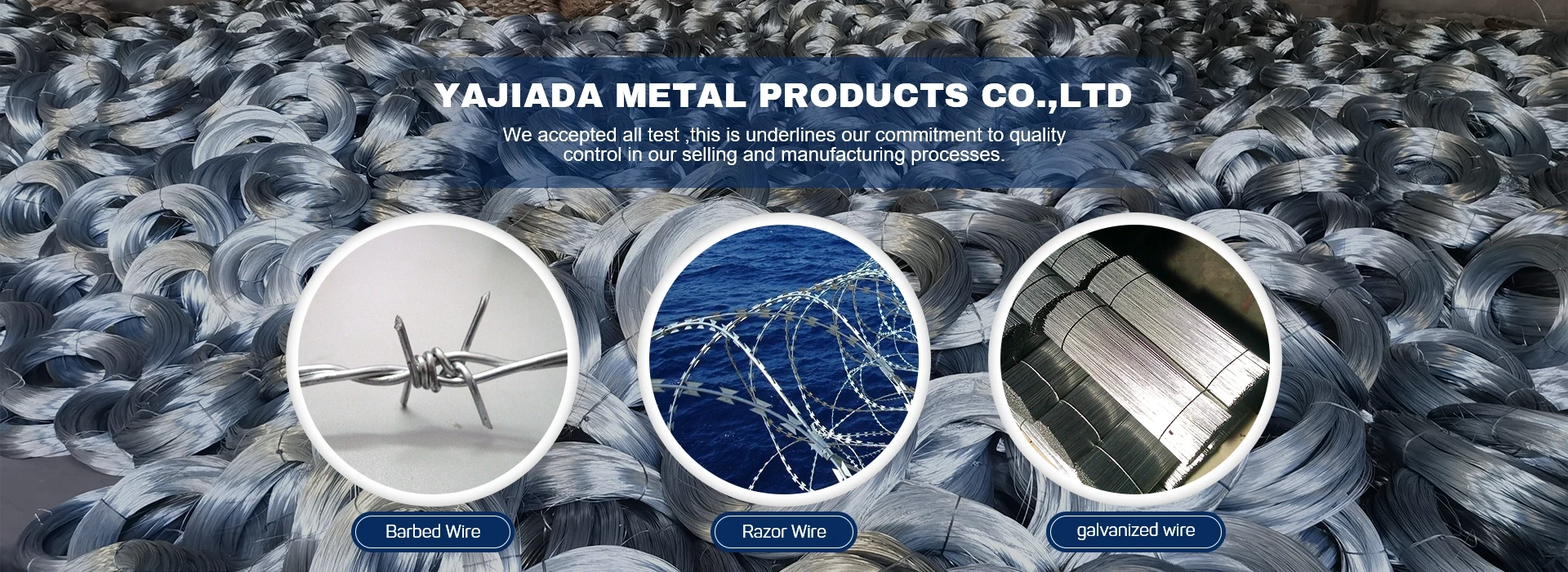
Binding wire, specifically iron binding wire, represents a critical fastening solution across diverse industrial and construction applications. Positioned within the supply chain as a consumable material, it bridges the gap between component assembly and structural integrity. Typically manufactured from low-carbon steel, its core performance characteristics center around tensile strength, ductility, and formability. Unlike higher-alloyed wires used in applications demanding superior corrosion resistance or electrical conductivity, iron binding wire prioritizes cost-effectiveness and sufficient mechanical properties for temporary or protected applications such as rebar tying, packaging, and agricultural binding. A primary industry pain point revolves around achieving consistent wire diameter and tensile strength to minimize breakage during automated tying processes, as well as managing surface oxidation which can impede adhesion when used with coatings or polymers. This guide provides an in-depth technical overview of iron binding wire, encompassing material science, manufacturing processes, performance characteristics, potential failure modes, and relevant industry standards.
Material Science & Manufacturing
Iron binding wire is predominantly manufactured from low-carbon steel, typically ranging from SAE 1008 to 1018. This compositional range balances ductility with sufficient tensile strength. The primary raw material is hot-rolled steel coil, which undergoes several processing steps. The initial stage involves pickling – a chemical treatment using hydrochloric or sulfuric acid to remove mill scale (iron oxides) formed during hot rolling. Following pickling, the steel is typically coated with a light oil to prevent flash rust. The core manufacturing process is wire drawing, where the steel coil is pulled through a series of progressively smaller dies, reducing the diameter and increasing the wire’s tensile strength. This process introduces work hardening, increasing the material’s yield strength. Critical parameters during wire drawing include die lubrication (often employing sodium stearate or calcium stearate) to minimize friction and die wear, drawing speed, and reduction ratio per die. The final stage frequently involves annealing – a heat treatment process that relieves internal stresses induced by drawing and restores ductility. The annealing temperature is crucial, typically between 600-700°C, and requires controlled cooling to prevent the formation of undesirable microstructures. Chemical composition variations, particularly manganese content, directly influence the annealing response and final mechanical properties. The surface finish is also crucial; while typically left uncoated, some applications require a zinc coating for enhanced corrosion resistance, applied via hot-dip galvanization or electroplating. Consistent control of these parameters is vital to ensuring batch-to-batch uniformity.
Performance & Engineering
The performance of iron binding wire is fundamentally governed by its mechanical properties and environmental resistance. Tensile strength, typically ranging from 350-500 MPa depending on wire gauge and processing, dictates the wire’s ability to withstand applied loads without fracture. Ductility, measured by elongation at break (typically 15-25%), ensures the wire can undergo plastic deformation without brittle failure, which is critical during tying or bending operations. The force required to initiate bending and the bending radius are also important engineering considerations, particularly in automated applications. Environmental resistance is primarily limited by the susceptibility of iron to oxidation (rusting). The rate of corrosion is accelerated in the presence of chlorides (e.g., marine environments) and elevated humidity. Engineering calculations must account for the potential reduction in cross-sectional area due to corrosion, leading to a decrease in tensile strength over time. In applications where the wire is subjected to cyclic loading (e.g., seismic restraints), fatigue analysis is essential. Fatigue life is heavily influenced by surface finish; surface imperfections act as stress concentrators, initiating crack propagation. Compliance requirements vary depending on the application. For construction applications involving rebar tying, adherence to standards like ACI 318 (American Concrete Institute) is crucial, specifying minimum wire gauge and tying techniques. For packaging applications, requirements may relate to food contact safety and material traceability.
Technical Specifications
| Wire Gauge (AWG) | Diameter (mm) | Tensile Strength (MPa) | Elongation at Break (%) |
|---|---|---|---|
| 16 | 1.27 | 400-450 | 18-22 |
| 14 | 1.63 | 380-430 | 16-20 |
| 12 | 2.05 | 350-400 | 15-19 |
| 10 | 2.59 | 330-380 | 14-18 |
| 9 | 2.90 | 300-350 | 12-16 |
| 8 | 3.26 | 280-330 | 10-14 |
Failure Mode & Maintenance
Iron binding wire is susceptible to several failure modes. The most common is tensile fracture due to exceeding the wire's ultimate tensile strength during tying or under sustained load. This can be exacerbated by pre-existing defects introduced during manufacturing or handling. Corrosion is a significant contributor to failure, particularly in exposed environments. Oxidation weakens the wire, reducing its load-bearing capacity and promoting brittle fracture. Another failure mechanism is fatigue cracking, arising from repeated bending or cyclic loading. This often initiates at surface imperfections or kinks in the wire. Hydrogen embrittlement, although less common, can occur in the presence of acids or during electroplating processes, reducing ductility and increasing susceptibility to cracking. Delamination can occur in coated wires (e.g., galvanized) if the coating is damaged or poorly adhered. Maintenance primarily focuses on preventing corrosion. For temporary applications, periodic inspection for rust and replacement of corroded wire is essential. Protective coatings (e.g., paint, epoxy) can be applied to extend service life in harsh environments. Proper storage in a dry environment is critical to minimize corrosion. In applications where the wire is subjected to high stress, regular inspections for signs of fatigue cracking or deformation are recommended. Removal of damaged or corroded wire segments should be performed promptly to prevent catastrophic failure.
Industry FAQ
Q: What is the impact of manganese content on the drawability of iron binding wire?
A: Manganese increases the hardenability of the steel during wire drawing. Higher manganese content leads to greater work hardening, requiring more annealing to restore ductility. However, excessive manganese can also promote the formation of brittle phases, reducing overall toughness. Optimal manganese levels (typically 0.3-0.6%) balance drawability with mechanical properties.
Q: How does wire diameter affect the tying performance in rebar applications?
A: Smaller wire diameters are easier to bend and manipulate during rebar tying, but offer lower tensile strength. Larger diameters provide greater holding force but require more effort to tie securely. The optimal diameter depends on the rebar size and the structural load requirements, as specified in relevant building codes.
Q: What are the benefits of using annealed wire versus unannealed wire for binding?
A: Annealed wire is significantly more ductile and easier to bend without fracturing, making it ideal for applications requiring complex shapes or tight bends. Unannealed wire is stronger but more brittle, making it prone to breakage during forming operations.
Q: Can iron binding wire be used in direct contact with concrete?
A: While iron binding wire can be in contact with concrete, it’s important to consider the potential for corrosion. The alkaline environment of concrete can initially provide some passivation, but chloride ingress (from de-icing salts or marine exposure) can accelerate corrosion. Galvanized wire offers superior corrosion resistance for concrete applications.
Q: How does the surface finish of the wire impact its performance?
A: A smooth surface finish minimizes stress concentrations, improving fatigue life and resistance to corrosion. Surface imperfections, such as scratches or nicks, can act as initiation sites for cracks and accelerate corrosion. Proper lubrication during wire drawing is crucial for achieving a smooth surface finish.
Conclusion
Iron binding wire, despite its simplicity, plays a crucial role in numerous industrial processes. Its performance is inextricably linked to its material composition, manufacturing processes, and environmental exposure. Understanding the interplay between tensile strength, ductility, corrosion resistance, and potential failure modes is paramount for selecting the appropriate wire gauge and material grade for a given application. Consistent quality control throughout the manufacturing process, from raw material sourcing to final annealing, is essential for ensuring reliable performance.
Future advancements may focus on developing enhanced corrosion-resistant coatings and optimizing wire drawing techniques to improve mechanical properties and surface finish. Further research into fatigue behavior under cyclic loading is also warranted, particularly for applications involving seismic activity. The increasing demand for sustainable materials may drive the exploration of alternative, bio-based binding solutions, although these will need to meet stringent performance criteria to compete with the cost-effectiveness and proven reliability of iron binding wire.