



Introduction
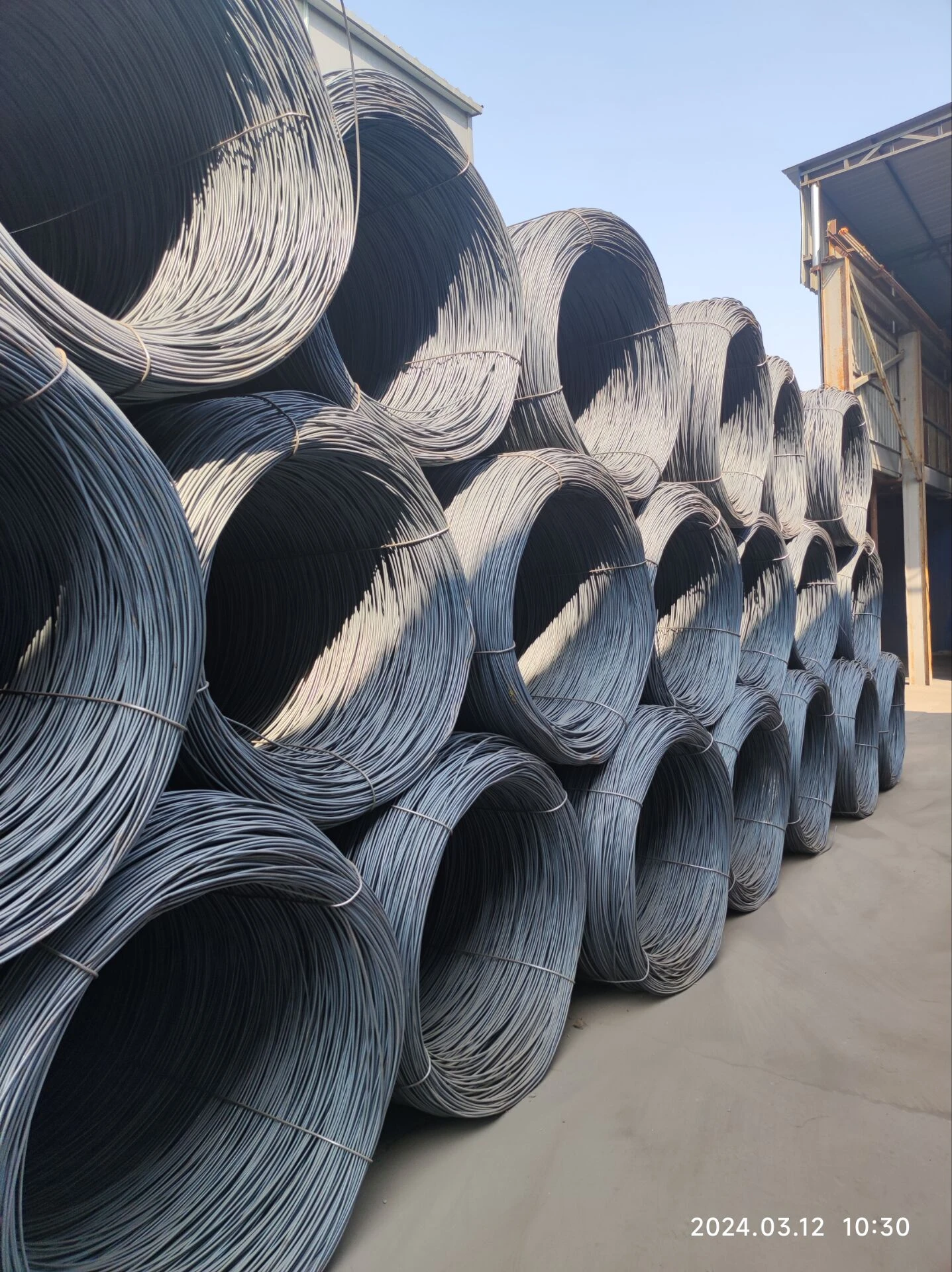
Boundary iron wire, also known as perimeter wire or fencing wire, constitutes a fundamental component in physical security systems, agricultural demarcation, and general containment applications. Positioned within the broader industry of wire products, it serves as a primary material for constructing fences used in residential, commercial, industrial, and agricultural settings. Core performance characteristics center around tensile strength, corrosion resistance, and weldability – properties dictating the longevity and effectiveness of the installed barrier. This guide provides a comprehensive technical analysis of boundary iron wire, encompassing material science, manufacturing processes, performance engineering, failure modes, and relevant industry standards. A key pain point within the industry is balancing cost with durability and, critically, ensuring consistent adherence to galvanization standards to prevent premature corrosion. The rise of alternative materials like coated steel and polymer fences necessitates a thorough understanding of the enduring advantages and limitations of traditional iron wire.
Material Science & Manufacturing
Boundary iron wire is predominantly manufactured from low-carbon steel, typically ranging from SAE 1008 to 1018. This selection balances cost-effectiveness with sufficient ductility for drawing and forming. Raw material composition dictates key physical properties: tensile strength (approximately 330-550 MPa), elongation (18-25%), and yield strength (approximately 200-350 MPa). The manufacturing process begins with hot-rolling steel billets into wire rods. These rods undergo a pickling process – immersion in hydrochloric or sulfuric acid – to remove surface oxides (mill scale). Following pickling, the wire is drawn through a series of progressively smaller dies, a process known as cold drawing. This significantly increases tensile strength but reduces ductility, necessitating intermediate annealing steps to restore malleability. Critical parameters during drawing include die angle, reduction ratio, and lubrication. Annealing is typically performed in a controlled atmosphere to prevent oxidation. Post-drawing, the wire is often galvanized to enhance corrosion resistance. Common galvanization methods include hot-dip galvanizing (HDG), electro-galvanizing, and zinc-coating. Hot-dip galvanizing provides a thicker zinc coating with superior protection but may exhibit a less uniform surface finish. Electro-galvanizing offers a smoother finish but generally provides a thinner coating and may be less durable. The zinc coating thickness is a critical parameter, typically specified in grams per square meter (g/m2), impacting the wire's lifespan in corrosive environments. Following galvanization, the wire may be subjected to additional treatments, such as phosphating or polymer coating, to further enhance corrosion resistance or aesthetic appeal.

Performance & Engineering
The performance of boundary iron wire is fundamentally governed by its ability to withstand tensile forces and resist environmental degradation. Force analysis involves calculating the breaking load, which is the maximum tensile force the wire can endure before fracturing. This is directly related to the wire diameter, material strength, and any pre-existing defects. In fence applications, the wire is subjected to static loads (weight of the fence, wind loads) and dynamic loads (impact from animals, vandalism). Engineers must consider these loads when designing the fence structure, including post spacing, wire gauge, and bracing requirements. Environmental resistance is paramount, particularly in coastal regions or industrial areas with high levels of pollutants. Corrosion resistance is assessed through salt spray testing (ASTM B117) and cyclic corrosion testing, simulating real-world exposure conditions. Galvanization thickness directly correlates with corrosion protection; however, the presence of imperfections in the zinc coating (e.g., pinholes, cracks) can accelerate corrosion. Furthermore, galvanic corrosion can occur when the iron wire is in contact with dissimilar metals, such as aluminum. Compliance requirements vary depending on the application and geographic location. Agricultural fencing may be subject to regulations regarding animal welfare and boundary demarcation. Security fencing must comply with relevant building codes and safety standards. The use of heavier gauge wire and tighter mesh spacing provides increased security but also increases material costs. Proper installation techniques, including adequate tensioning and secure anchoring, are critical for optimal performance.
Technical Specifications
| Wire Diameter (mm) | Tensile Strength (MPa) | Zinc Coating Weight (g/m2) | Elongation (%) |
|---|---|---|---|
| 1.6 | 400-500 | 60-80 | 20-25 |
| 2.0 | 450-550 | 80-100 | 18-23 |
| 2.5 | 500-600 | 100-120 | 16-20 |
| 3.0 | 550-650 | 120-150 | 15-19 |
| 3.5 | 600-700 | 150-180 | 14-18 |
| 4.0 | 650-750 | 180-220 | 13-17 |
Failure Mode & Maintenance
Boundary iron wire is susceptible to several failure modes. Corrosion is the most prevalent, leading to weakening of the wire and eventual fracture. This is exacerbated by exposure to moisture, salt spray, and industrial pollutants. Different corrosion types include uniform corrosion, pitting corrosion, and crevice corrosion. Fatigue cracking can occur due to repeated flexing or vibration, particularly in areas where the wire is bent or connected to posts. This is more common in high-wind regions. Mechanical damage, such as cuts or abrasions, can compromise the wire's integrity. Galvanic corrosion, as previously mentioned, accelerates deterioration when dissimilar metals are in contact. Maintenance strategies include regular inspection for signs of corrosion or damage. Damaged sections should be replaced promptly to prevent further deterioration. The application of corrosion inhibitors or protective coatings can extend the wire's lifespan. For fences in coastal areas, periodic cleaning to remove salt deposits is recommended. Ensure proper grounding of the fence to minimize the risk of electrolytic corrosion. Regular tensioning of the wire is crucial to prevent sagging and maintain structural integrity. Consider replacing fasteners (e.g., staples, clips) if they exhibit signs of corrosion.
Industry FAQ
Q: What is the significance of the zinc coating weight, and how does it relate to the expected service life of the wire?
A: The zinc coating weight (measured in g/m2) directly correlates with the cathodic protection provided to the underlying steel. A heavier coating slows the corrosion rate by sacrificing itself preferentially. Generally, a coating of 60-80 g/m2 provides a reasonable service life in moderate environments, while 120-150 g/m2 or higher is recommended for harsh environments like coastal areas or industrial sites. Increasing the zinc coating weight exponentially increases the longevity of the wire.
Q: How does the wire drawing process impact the material properties of the boundary iron wire?
A: Cold drawing significantly increases tensile strength and hardness but simultaneously reduces ductility. This necessitates intermediate annealing steps to restore malleability and prevent brittleness. The degree of cold work (reduction in diameter per drawing pass) and the annealing temperature are critical parameters influencing the final material properties.
Q: What are the key differences between hot-dip galvanizing and electro-galvanizing in terms of corrosion resistance and cost?
A: Hot-dip galvanizing provides a thicker and more durable zinc coating with superior corrosion resistance due to the metallurgical bond formed between the zinc and steel. However, the surface finish can be less uniform. Electro-galvanizing produces a smoother, more aesthetically pleasing finish but typically offers a thinner coating and lower corrosion resistance. Hot-dip galvanizing is generally more cost-effective for large volumes, while electro-galvanizing may be preferred for smaller batches or when a specific surface finish is required.
Q: What factors should be considered when selecting the appropriate wire gauge for a perimeter fence?
A: Wire gauge selection depends on the intended application, security requirements, and environmental conditions. Heavier gauge wire (larger diameter) provides greater tensile strength and resistance to cutting, making it suitable for high-security applications. However, it also increases material costs. Factors to consider include the expected load (wind, snow, animal impact), the height of the fence, and the desired level of security.
Q: How can galvanic corrosion be mitigated when using boundary iron wire in conjunction with other metal components?
A: Galvanic corrosion can be minimized by selecting compatible metals, isolating dissimilar metals with non-conductive materials, or applying protective coatings. If contact between dissimilar metals is unavoidable, a sacrificial anode (e.g., zinc) can be used to protect the more vulnerable metal. Ensure proper grounding to minimize potential differences and prevent accelerated corrosion.
Conclusion
Boundary iron wire remains a critical material in a wide array of fencing applications due to its cost-effectiveness, strength, and relative ease of installation. However, its susceptibility to corrosion necessitates careful consideration of material selection, manufacturing processes (particularly galvanization), and ongoing maintenance. The optimal performance of boundary iron wire is intrinsically linked to a deep understanding of material science principles, including tensile strength, ductility, and corrosion mechanisms.
Moving forward, advancements in coating technologies and alloy development will likely play a significant role in enhancing the durability and lifespan of boundary iron wire. Further research into alternative corrosion protection methods, such as nanocoatings, could also offer substantial benefits. Maintaining rigorous quality control throughout the manufacturing process and adhering to relevant industry standards are paramount for ensuring the long-term reliability and performance of this essential material.