




Introduction
Cheap wire mesh, typically fabricated from low-carbon steel, constitutes a fundamental material across diverse industrial applications including construction, agriculture, filtration, and security. Positioned as a cost-effective alternative to more specialized metal fabrics, it serves primarily as a barrier, reinforcement, or support structure. Its technical positioning within the supply chain is typically early-stage; it functions as a semi-finished product further processed by manufacturers into final goods. Core performance characteristics revolve around its open area percentage, tensile strength, and resistance to deformation. However, a key industry pain point is balancing cost reduction with acceptable levels of corrosion resistance and structural integrity, particularly in demanding operational environments. The market is driven by price sensitivity, leading to a constant need for manufacturers to optimize production processes and material selection while maintaining minimal performance standards.
Material Science & Manufacturing
The predominant material for inexpensive wire mesh is low-carbon steel, specifically SAE 1008 or similar grades, chosen for their formability and low cost. The chemical composition consists primarily of iron, with carbon content typically ranging from 0.05% to 0.15% by weight, alongside trace amounts of manganese, phosphorus, and sulfur. Manufacturing begins with wire drawing, a process where metallic stock is pulled through a series of progressively smaller dies to achieve the desired wire diameter. Critical parameters during wire drawing include die lubrication, reduction ratio per pass, and drawing speed, as these directly impact the wire's surface finish, tensile strength, and elongation. Following wire drawing, the mesh is created through either weaving or welding processes. Weaving involves interlacing wires at right angles using a loom. Key parameters here are the wire spacing (affecting open area) and the weaving pattern (plain, twill, or dutch weave, each offering differing structural properties). Welded wire mesh is produced by creating a grid of intersecting wires and then resistance welding them at the intersection points. Control of welding current, pressure, and time is paramount to ensure strong, consistent welds that resist shear stress. Surface treatments, like galvanization (hot-dip or electro-galvanized) or epoxy coating, are often applied to enhance corrosion resistance, but these add to the overall cost and complexity of manufacturing.
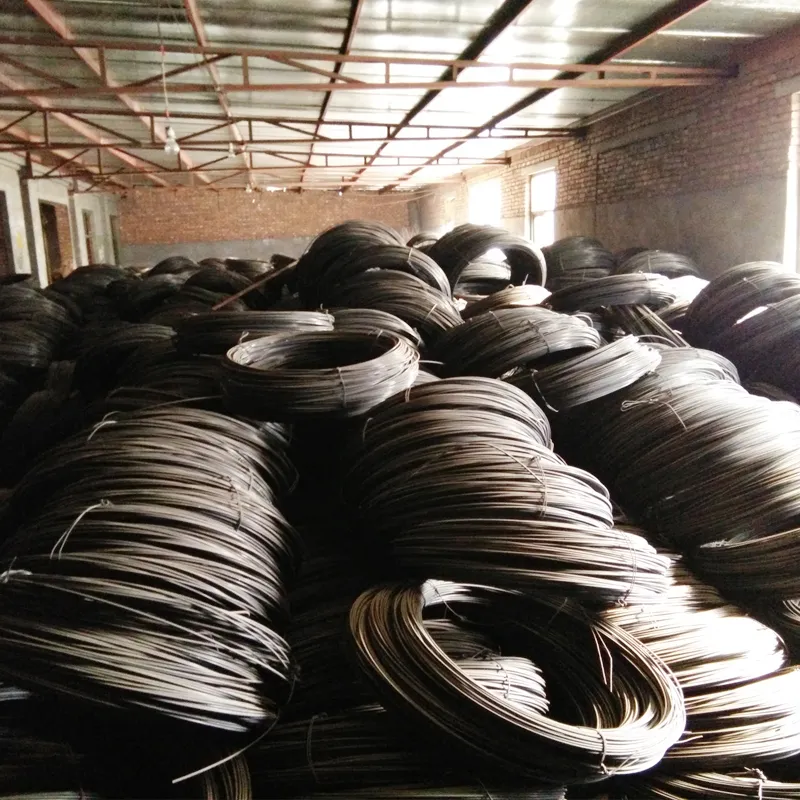
Performance & Engineering
The performance of cheap wire mesh is fundamentally governed by its mechanical properties and environmental resistance. Tensile strength, typically measured using ASTM E8, dictates its ability to withstand pulling forces without breaking. Yield strength, the point at which permanent deformation occurs, is equally important, especially in applications requiring dimensional stability. Mesh aperture size and wire diameter influence the overall open area percentage, impacting flow rates in filtration applications and light transmission in screening applications. A critical engineering consideration is the mesh’s response to cyclical loading. Fatigue analysis, based on S-N curves (stress versus number of cycles to failure), is essential for applications subjected to vibrations or repetitive strain. Corrosion resistance is a significant concern, particularly in outdoor or harsh environments. The rate of corrosion depends on the environment's salinity, humidity, and the presence of corrosive agents. Galvanization provides sacrificial protection, but its effectiveness diminishes over time as the zinc layer corrodes. Compliance requirements vary by application; for example, in food processing, the mesh must conform to FDA regulations regarding material compatibility and hygiene. In construction, adherence to building codes pertaining to fire resistance and structural integrity is crucial.
Technical Specifications
| Material | Wire Diameter (mm) | Aperture Size (mm) | Tensile Strength (MPa) |
|---|---|---|---|
| Low Carbon Steel (SAE 1008) | 0.8 | 2.5 | 350-450 |
| Low Carbon Steel (SAE 1008) | 1.2 | 5.0 | 400-500 |
| Low Carbon Steel (SAE 1008) | 1.6 | 7.5 | 450-550 |
| Low Carbon Steel (SAE 1008) – Galvanized | 0.8 | 2.5 | 300-400 |
| Low Carbon Steel (SAE 1008) – Galvanized | 1.2 | 5.0 | 350-450 |
| Low Carbon Steel (SAE 1008) – Epoxy Coated | 0.8 | 2.5 | 320-420 |
Failure Mode & Maintenance
Cheap wire mesh is susceptible to several failure modes. Corrosion is a primary concern, leading to weakening of the wires and eventual failure of the mesh structure, particularly in environments with high humidity or salt spray. The failure manifests as localized pitting or generalized thinning of the wire. Mechanical fatigue, induced by cyclical loading, can result in crack initiation and propagation at stress concentration points (e.g., weld junctions, bends). This is particularly problematic in vibrating environments. Physical damage, such as cuts or abrasions, can compromise the integrity of the mesh. Weld failures are common, especially in lower-quality mesh where welding parameters were not adequately controlled. Degradation of coatings (galvanization or epoxy) reduces corrosion resistance and accelerates the underlying steel corrosion. Maintenance typically involves periodic inspection for signs of corrosion, damage, or deformation. Cleaning with mild detergent and water can remove surface contaminants. For galvanized mesh, re-coating damaged areas with zinc-rich paint can provide localized corrosion protection. Regularly assessing the load and environmental conditions can help predict the mesh's lifespan and schedule timely replacements. In critical applications, non-destructive testing methods such as visual inspection, dye penetrant testing, or ultrasonic testing can detect hidden flaws.
Industry FAQ
Q: What is the impact of wire diameter on the overall cost of the mesh?
A: Decreasing wire diameter directly reduces material consumption, lowering the raw material cost. However, thinner wires exhibit lower tensile strength and are more susceptible to deformation. Therefore, optimizing wire diameter involves a trade-off between cost savings and performance requirements. Lower-grade applications may tolerate thinner wire, while structural applications require thicker wire for sufficient load-bearing capacity.
Q: How does galvanization affect the long-term performance in a marine environment?
A: Galvanization provides excellent initial corrosion protection in marine environments by acting as a sacrificial anode. However, the zinc coating will gradually corrode over time, exposing the underlying steel. The rate of zinc corrosion depends on the salinity of the water and exposure conditions. Periodic inspection and re-coating of damaged areas are crucial to maintain long-term corrosion resistance.
Q: What welding techniques are typically used for welded wire mesh, and what are their advantages and disadvantages?
A: Resistance welding is the most common technique due to its speed and cost-effectiveness. However, weld quality can vary depending on the control of welding parameters. Other techniques, such as spot welding or seam welding, may be used for specialized applications. The primary disadvantage of resistance welding is the potential for weld defects if parameters are not carefully controlled.
Q: How does the weaving pattern influence the structural integrity of woven wire mesh?
A: Different weaving patterns offer varying levels of structural integrity. Plain weave is the simplest and most common, providing good overall strength. Twill weave offers greater flexibility and drape, while Dutch weave (with alternating plain and twill sections) provides a higher open area percentage but reduced structural rigidity. The choice of weaving pattern depends on the specific application requirements.
Q: Are there alternative, cost-effective coatings besides galvanization for improving corrosion resistance?
A: Epoxy coating offers a cost-effective alternative to galvanization, providing a durable barrier against corrosion. However, epoxy coatings are susceptible to UV degradation and mechanical damage. Powder coating is another option, offering good corrosion resistance and a wider range of colors. However, powder coating typically requires a more complex application process.
Conclusion
Cheap wire mesh serves as a fundamental component across numerous industries, providing a cost-effective solution for filtration, reinforcement, and containment. Its performance is intrinsically linked to material selection, manufacturing processes, and applied surface treatments. While low-carbon steel remains the predominant material due to its affordability, careful consideration must be given to corrosion resistance, mechanical strength, and the specific demands of the operating environment.
Optimizing the balance between cost and performance requires a thorough understanding of material science principles and engineering considerations. Addressing potential failure modes through proactive maintenance, and adhering to relevant industry standards (ASTM, ISO) are critical for ensuring the longevity and reliability of wire mesh installations. Further advancements in coating technologies and material compositions will continue to shape the future of cheap wire mesh, driving innovation and enhancing its applicability in increasingly demanding applications.