



Introduction
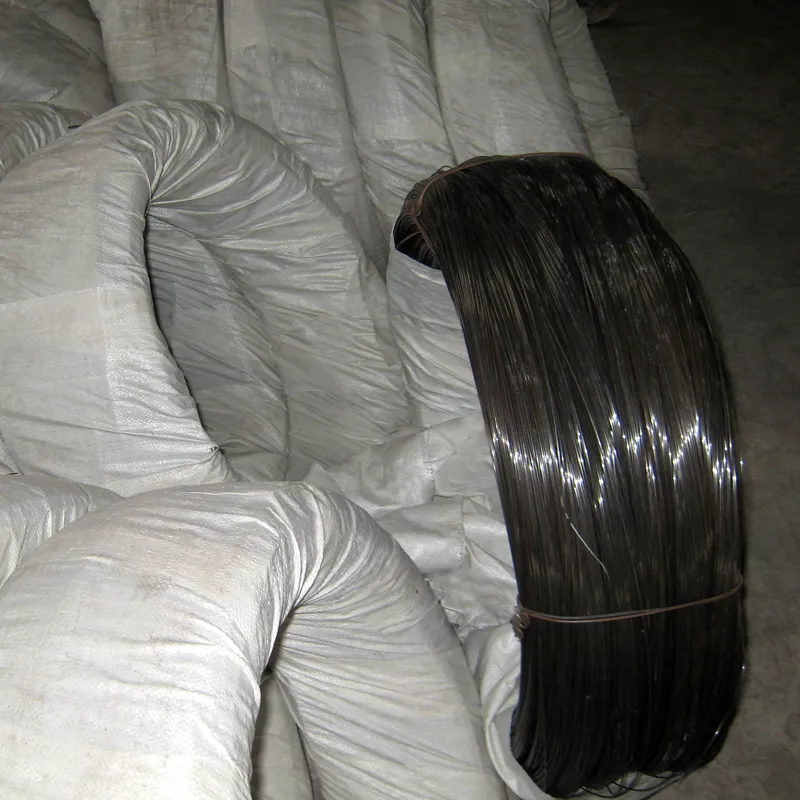
China iron wire, encompassing a broad range of ferrous metal products, represents a significant component of global industrial supply chains. Positioned as a foundational material in construction, manufacturing, agriculture, and various other sectors, its technical characteristics—tensile strength, ductility, corrosion resistance—dictate its suitability for diverse applications. The industry’s competitive landscape, heavily influenced by Chinese manufacturing capacity, necessitates a deep understanding of material composition, production processes, and quality control parameters. This guide provides an in-depth examination of China iron wire, focusing on its material science, manufacturing techniques, performance specifications, failure modes, and relevant industry standards, addressing core pain points related to consistent quality, predictable performance, and long-term durability.
Material Science & Manufacturing
China iron wire is predominantly manufactured from carbon steel, although alloy variations incorporating manganese, silicon, and other elements are common to achieve specific performance characteristics. The raw material, typically hot-rolled or cold-rolled steel wire rod, undergoes several processing stages. Hot-rolled steel offers lower production costs but requires subsequent processing to refine surface finish and dimensional accuracy. Cold-rolled steel, conversely, provides superior surface quality and tighter tolerances but at a higher cost. Drawing is the primary manufacturing process, reducing the wire’s diameter through a series of dies. Lubrication is critical during drawing to minimize friction, prevent die wear, and ensure consistent material flow. Annealing, a heat treatment process, is often employed to restore ductility after cold working and relieve internal stresses. Surface treatments, including galvanization, electroplating, and coating with polymers, enhance corrosion resistance. Key parameters requiring stringent control include reduction ratio per draw, die profile, drawing speed, lubricant composition, and annealing temperature. Chemical composition analysis, utilizing techniques like Optical Emission Spectroscopy (OES), ensures adherence to specified steel grades. Microstructural analysis via metallography confirms grain size, phase distribution, and the presence of any defects. The presence of inclusions (sulfides, oxides) can significantly impact ductility and fatigue life, necessitating careful control of steelmaking practices.
Performance & Engineering
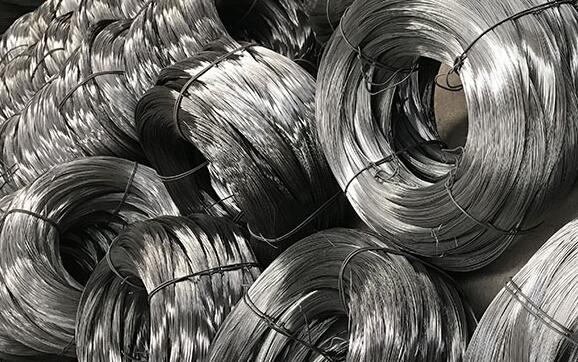
The performance of China iron wire is dictated by its mechanical properties, specifically tensile strength, yield strength, elongation, and modulus of elasticity. Tensile strength, determined through standardized testing (ASTM A615), dictates the maximum stress the wire can withstand before fracture. Yield strength represents the point at which permanent deformation occurs. Elongation, a measure of ductility, indicates the wire's ability to stretch before breaking. The modulus of elasticity reflects its stiffness. Environmental resistance, particularly corrosion resistance, is paramount. Galvanization, employing zinc coatings, provides sacrificial protection, preventing base metal corrosion. Coating thickness and uniformity are critical parameters. Electrochemical corrosion testing, including salt spray testing (ASTM B117), assesses coating performance. Furthermore, wire rope construction necessitates consideration of torsional strength and fatigue resistance. Failure analysis often reveals that fatigue cracking initiates at surface defects or stress concentrators. Wire used in high-stress applications (e.g., suspension bridges) demands rigorous non-destructive testing (NDT), including ultrasonic inspection and magnetic particle inspection, to detect internal flaws. Compliance with international standards, such as ISO 9001 for quality management systems, is essential for ensuring consistent product quality and traceability.
Technical Specifications
| Wire Diameter (mm) | Tensile Strength (MPa) | Yield Strength (MPa) | Elongation (%) |
|---|---|---|---|
| 1.2 | 400-550 | 250-350 | 15-25 |
| 2.0 | 380-520 | 240-340 | 18-28 |
| 3.0 | 350-480 | 220-320 | 20-30 |
| 4.0 | 320-450 | 200-300 | 22-32 |
| 5.0 | 300-420 | 180-280 | 25-35 |
| 6.0 | 280-380 | 160-260 | 28-38 |
Failure Mode & Maintenance
Common failure modes of China iron wire include tensile fracture, fatigue cracking, corrosion-induced failure, and hydrogen embrittlement. Tensile fracture occurs when the applied stress exceeds the ultimate tensile strength. Fatigue cracking, driven by cyclic loading, initiates at stress concentrators (e.g., surface scratches, bends). Corrosion, particularly in aggressive environments, weakens the wire and accelerates failure. Hydrogen embrittlement, induced by exposure to hydrogen-containing environments, reduces ductility and promotes crack propagation. Galvanized wire can experience white rust (zinc oxide) formation, which, while not immediately catastrophic, indicates a reduction in protective coating thickness. Preventive maintenance involves regular inspection for signs of corrosion, cracking, and deformation. Protective coatings should be reapplied as necessary. Wires subjected to high stress should be periodically removed from service and inspected for fatigue damage. Lubrication is crucial for minimizing friction and wear in applications involving moving wires. Storage conditions should be controlled to prevent exposure to corrosive environments. For applications in marine environments, the use of specialized corrosion-resistant alloys (e.g., stainless steel) is recommended. Detailed failure analysis, employing techniques such as Scanning Electron Microscopy (SEM) and Energy-Dispersive X-ray Spectroscopy (EDS), is essential for identifying the root cause of failure and implementing corrective actions.
Industry FAQ
Q: What is the typical carbon content range in China iron wire used for general purpose binding applications?
A: Typically, China iron wire for general binding applications utilizes low carbon steel, with a carbon content ranging from 0.05% to 0.15%. This provides a balance between sufficient strength for holding and adequate ductility for easy manipulation and tying. Higher carbon content increases strength but reduces ductility, making it less suitable for this application.
Q: How does the galvanization process affect the wire’s hydrogen embrittlement susceptibility?
A: The galvanization process can, unfortunately, increase the susceptibility to hydrogen embrittlement. During galvanization, hydrogen ions can be generated and absorbed into the steel matrix. This absorbed hydrogen reduces the ductility and fracture toughness, making the wire prone to cracking under stress. Post-galvanization baking (heat treatment) is often employed to drive out the absorbed hydrogen.
Q: What quality control measures are typically implemented to ensure consistent wire diameter within a large production run?
A: Consistent wire diameter is ensured through several quality control measures. These include continuous diameter gauging during the drawing process with automatic feedback control, regular cross-sectional analysis using micrometers, and statistical process control (SPC) to monitor and adjust drawing parameters. Periodic destructive testing to verify mechanical properties also correlates with dimensional accuracy.
Q: What is the significance of the annealing process in the manufacturing of China iron wire, and what parameters are critical to control?
A: The annealing process is crucial for restoring ductility after cold working. It relieves internal stresses generated during drawing, preventing cracking and enhancing formability. Critical parameters include annealing temperature, holding time, cooling rate, and atmosphere control (to prevent oxidation). Improper annealing can lead to inconsistent mechanical properties and reduced wire quality.
Q: What are the key differences between hot-dip galvanization and electrogalvanization in terms of corrosion protection and cost?
A: Hot-dip galvanization provides a thicker zinc coating, offering superior corrosion protection, particularly in harsh environments, but is generally more expensive. Electrogalvanization produces a thinner, more uniform coating and is more cost-effective, but provides less corrosion resistance. Electrogalvanization also allows for tighter control over coating thickness and surface finish.
Conclusion
China iron wire, a ubiquitous industrial material, requires a nuanced understanding of its material science, manufacturing processes, and performance characteristics to ensure its effective and reliable application. The optimal selection of wire grade, surface treatment, and manufacturing parameters hinges on the specific demands of the intended application. Maintaining rigorous quality control throughout the production chain, including diligent chemical analysis, microstructural examination, and mechanical testing, is paramount for delivering consistent product quality.
Ultimately, a comprehensive grasp of potential failure modes – encompassing tensile fracture, fatigue, corrosion, and hydrogen embrittlement – coupled with proactive maintenance strategies, is crucial for maximizing the lifespan and performance of China iron wire in diverse industrial settings. Future advancements in material science will likely focus on developing alloys with enhanced corrosion resistance, improved ductility, and reduced susceptibility to hydrogen embrittlement, further solidifying the role of China iron wire in global manufacturing.