



Introduction
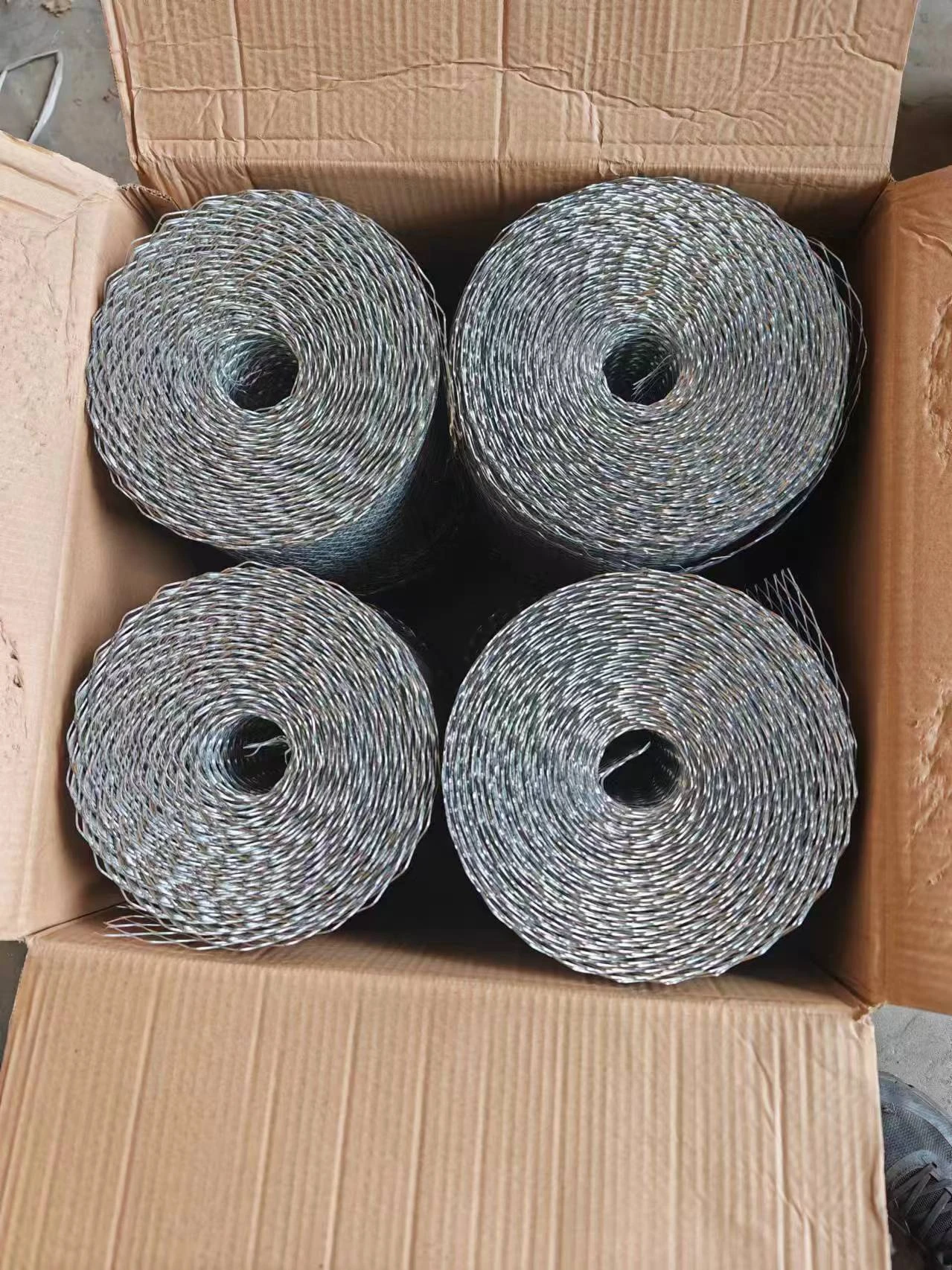
Coated iron wire represents a versatile and widely utilized material within numerous industrial sectors. It consists of a ferrous metal core—typically low-carbon steel—encased in a metallic or polymeric coating. This coating serves to enhance corrosion resistance, improve mechanical properties, or impart specific functional characteristics. Positioned as a cost-effective alternative to stainless steel or other high-alloy materials, coated iron wire finds application in construction, agriculture, automotive manufacturing, and electrical engineering. Core performance metrics focus on tensile strength, coating adhesion, ductility, and resistance to specific environmental factors dependent on the coating material employed. The inherent strength of the iron core, coupled with the protective benefits of the coating, makes it a critical component in applications demanding both structural integrity and longevity in challenging conditions. Understanding the nuances of material selection, manufacturing processes, and potential failure modes is paramount for optimal application and sustained performance.
Material Science & Manufacturing
The primary raw material is low-carbon steel wire rod, typically SAE 1008 or similar grades, chosen for its balance of strength and ductility. The steel’s composition influences its weldability and formability during subsequent processing. Coating materials vary significantly, influencing performance characteristics. Galvanization (zinc coating) is the most prevalent due to its cost-effectiveness and cathodic protection properties. Other common coatings include PVC (polyvinyl chloride), polyethylene, epoxy resins, and occasionally aluminum or specialized alloys. Manufacturing begins with wire drawing, reducing the diameter of the steel rod through a series of dies. This process work-hardens the steel, increasing its tensile strength but reducing its ductility. Subsequently, surface preparation is critical; this often involves acid pickling to remove mill scale and rust, followed by a flux application to promote coating adhesion. For galvanizing, the wire is passed through a molten zinc bath via a continuous process. Coating thickness is meticulously controlled through die speed and zinc bath temperature. Polymer coatings are typically applied via extrusion, where molten polymer is forced over the wire, or by dip-coating followed by curing. Parameters like extrusion temperature, die pressure, and cooling rate directly impact coating uniformity and adhesion. Quality control at this stage includes monitoring coating weight, performing adhesion tests (e.g., bend tests, pull-off tests), and verifying coating thickness using non-destructive methods like eddy current testing.
Performance & Engineering
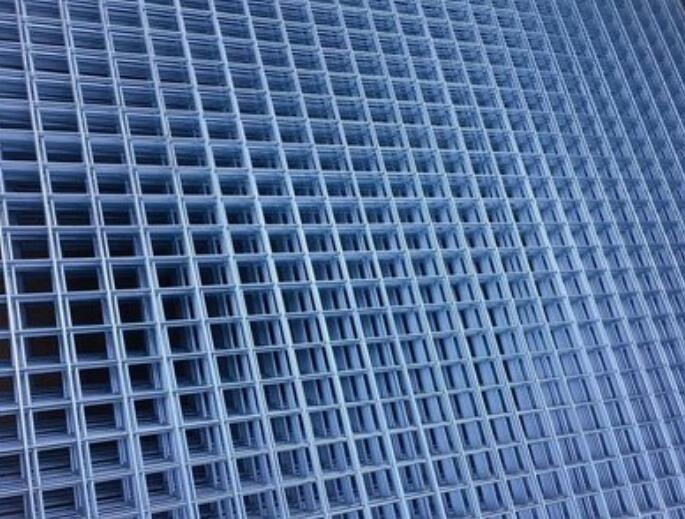
The performance of coated iron wire is dictated by a complex interplay of mechanical and environmental factors. Force analysis considers tensile strength, yield strength, elongation, and fatigue resistance. The iron core contributes the primary load-bearing capacity, while the coating protects against corrosion and environmental degradation, thus extending the wire's service life. Environmental resistance is critical; galvanized coatings provide sacrificial protection, corroding preferentially to the iron substrate. The rate of zinc corrosion is influenced by factors like humidity, salinity, and atmospheric pollutants (SO2, NOx). Polymer coatings act as a barrier, preventing contact between the iron and the corrosive environment. However, their performance relies on maintaining coating integrity – UV exposure, abrasion, and chemical attack can compromise their protective function. Compliance requirements vary by application. For example, wire used in fencing may need to meet ASTM A497 standards for zinc coating weight and adhesion. Wire used in electrical applications must adhere to UL standards for insulation resistance and flammability. Furthermore, design considerations involve determining the appropriate wire gauge (diameter) to withstand anticipated loads and ensuring adequate coating thickness for the intended service environment. Engineering calculations must account for potential creep, stress relaxation, and the effects of temperature fluctuations.
Technical Specifications
| Parameter | Units | Galvanized Iron Wire (Typical) | PVC Coated Iron Wire (Typical) |
|---|---|---|---|
| Tensile Strength | MPa | 350-500 | 300-450 |
| Zinc Coating Weight | g/m² | 60-275 | N/A |
| PVC Coating Thickness | µm | N/A | 0.3-1.0 |
| Elongation at Break | % | 10-20 | 8-15 |
| Wire Diameter | mm | 0.8-4.0 | 0.8-4.0 |
| Corrosion Resistance (Salt Spray Test) | Hours | Up to 1000 | Up to 500 |
Failure Mode & Maintenance
Coated iron wire can fail through several mechanisms. Corrosion is a primary concern, particularly in harsh environments. While the coating provides protection, breaches in the coating (scratches, abrasions) expose the underlying iron to corrosion. Rusting weakens the wire, reducing its load-bearing capacity. Fatigue cracking can occur under cyclic loading, initiating at stress concentrations (e.g., bends, kinks). Hydrogen embrittlement, particularly in high-strength galvanized wire, can lead to premature failure. Polymer coatings are susceptible to UV degradation, causing embrittlement and cracking. Chemical attack from acids, bases, or solvents can also compromise coating integrity. Delamination – the separation of the coating from the substrate – is a common failure mode, often caused by poor surface preparation or inadequate adhesion. Maintenance strategies include regular inspection for signs of corrosion or coating damage. Damaged areas should be repaired with compatible coatings. For galvanized wire, re-galvanizing localized areas can extend service life. For polymer-coated wire, applying a protective sealant can mitigate UV degradation. Proper storage is also crucial; wires should be stored in a dry environment to prevent premature corrosion. Avoid bending or kinking the wire excessively, as this can induce stress concentrations and accelerate fatigue failure.
Industry FAQ
Q: What is the primary difference between hot-dip galvanizing and electrogalvanizing for iron wire?
A: Hot-dip galvanizing results in a thicker, more robust zinc coating with superior corrosion resistance due to the diffusion of zinc into the iron substrate. Electrogalvanizing produces a thinner, more uniform coating, often preferred for applications requiring precise dimensional control or a smoother surface finish. Hot-dip is generally more economical for large-scale production, while electrogalvanizing is better suited for smaller batches or intricate wire designs.
Q: How does the operating temperature affect the performance of PVC-coated iron wire?
A: Elevated temperatures can cause the PVC coating to soften and lose its protective properties. Prolonged exposure to temperatures above 60°C (140°F) can lead to plasticizer migration and embrittlement. Conversely, low temperatures can make the coating more brittle and susceptible to cracking. The specific temperature limits depend on the PVC formulation used.
Q: What are the common causes of coating delamination in coated iron wire?
A: Common causes include inadequate surface preparation (presence of rust, oil, or other contaminants), poor coating adhesion due to improper flux application (for galvanizing), insufficient curing of polymer coatings, or mechanical damage during handling or installation. Thermal expansion mismatch between the coating and the substrate can also contribute to delamination over time.
Q: What testing methods are used to evaluate the corrosion resistance of coated iron wire?
A: The salt spray test (ASTM B117) is a standard method for assessing corrosion resistance by exposing samples to a 5% salt solution. Electrochemical impedance spectroscopy (EIS) provides a more detailed analysis of coating performance and degradation mechanisms. Additionally, field exposure tests – placing samples in real-world environments – offer the most realistic assessment of long-term corrosion resistance.
Q: Can coated iron wire be welded? What precautions should be taken?
A: Welding coated iron wire can be challenging. The coating must be removed in the weld area to ensure proper fusion. Galvanized coatings release zinc fumes during welding, which are hazardous and require adequate ventilation and respiratory protection. Polymer coatings will burn off, releasing potentially harmful gases. Post-weld, the exposed iron should be recoated to restore corrosion protection.
Conclusion
Coated iron wire remains a fundamental material across diverse industrial applications due to its cost-effectiveness and versatility. Successful implementation relies on a thorough understanding of material science principles, manufacturing processes, and potential failure modes. The choice of coating material – galvanization, PVC, or other polymers – is dictated by the specific application requirements, environmental conditions, and performance expectations. Proper surface preparation, meticulous process control during coating application, and diligent quality assurance testing are paramount to ensuring optimal corrosion resistance, mechanical integrity, and long-term reliability.
Future developments in coated iron wire technology are likely to focus on enhancing coating durability, improving environmental performance (e.g., utilizing lead-free galvanizing processes), and developing coatings with self-healing capabilities. Advancements in nanotechnology may lead to the creation of coatings with superior barrier properties and enhanced corrosion protection. Furthermore, optimizing wire drawing and coating processes through automation and data analytics will improve efficiency and reduce production costs. Continued research and innovation in this field will ensure that coated iron wire continues to meet the evolving needs of industry.