



Introduction
Common framing nails are essential fasteners in the construction industry, primarily utilized in wood-to-wood connections for structural framing, sheathing, and trim applications. They represent a significant portion of the globally produced fastener market, and their performance directly impacts the structural integrity and longevity of buildings. Framing nails are categorized by gauge (diameter), length, and head style, each designed for specific load-bearing requirements and wood densities. The standardization of these nails is crucial for ensuring consistent performance and adherence to building codes. Understanding the material science, manufacturing processes, and performance characteristics of framing nails is vital for engineers, architects, and construction professionals to ensure safe and durable construction practices. This guide provides an in-depth analysis of these aspects, covering material composition, manufacturing tolerances, performance under stress, potential failure modes, and relevant industry standards.
Material Science & Manufacturing
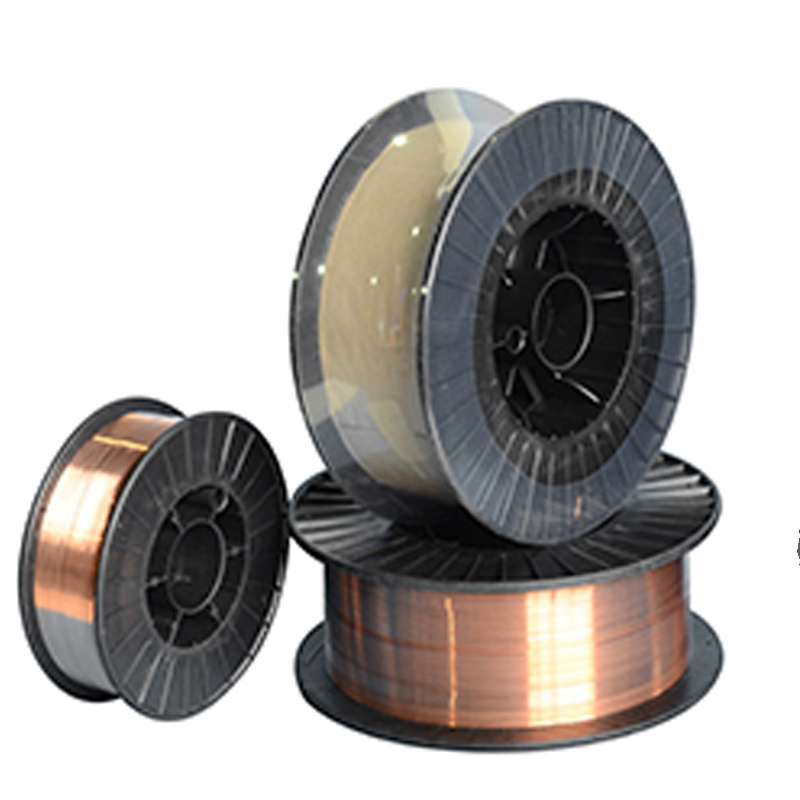
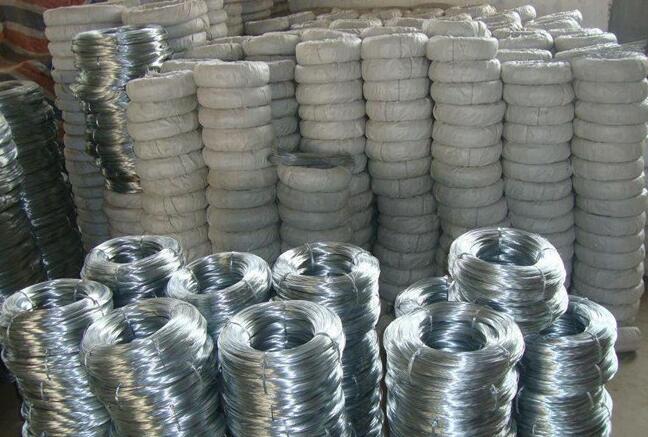
Framing nails are predominantly manufactured from carbon steel, specifically SAE 1008 or 1010. These steels offer a balance of tensile strength, ductility, and weldability, making them suitable for nail production. The steel wire undergoes a cold-heading process, where it is fed into machines that cut it to length and form the head. This process work-hardens the steel, increasing its strength. Surface treatment is a critical aspect of framing nail manufacturing. Common coatings include bright basic electroplating (zinc coating), hot-dip galvanization, and phosphate coatings. Bright basic electroplating provides moderate corrosion resistance, suitable for interior applications. Hot-dip galvanization offers superior corrosion protection, essential for exterior or moisture-prone environments. Phosphate coatings enhance paint adhesion and provide a degree of corrosion resistance when combined with other coatings. Quality control during manufacturing focuses on wire diameter consistency, head dimensions, point sharpness, and coating thickness. Variations in these parameters can significantly impact nail holding power and driveability. The manufacturing process also incorporates heat treatment to optimize the steel's mechanical properties, ensuring sufficient ductility to prevent brittleness during hammering and adequate strength to resist bending or shear forces. The control of hydrogen embrittlement, a potential byproduct of electroplating, is also paramount, often addressed through baking processes to diffuse hydrogen from the steel lattice.
Performance & Engineering
The performance of framing nails is primarily dictated by their shear strength and withdrawal resistance. Shear strength, the nail’s ability to resist lateral forces, is directly related to its gauge and steel grade. Withdrawal resistance, the force required to pull the nail out of the wood, depends on nail length, diameter, wood species, and nail angle. Engineering calculations for framing connections often rely on design values published by organizations like the American Wood Council (AWC). These values account for various load durations and safety factors. Nail shank design influences performance. Smooth shank nails offer easier driving but lower withdrawal resistance. Ring shank nails, with a series of circumferential ridges, provide significantly increased holding power due to mechanical interlocking with the wood fibers. The nail head’s geometry also plays a role. Headless nails are used in some applications, but typically require specialized driving equipment. Flush-head nails provide a neat finish, while countersunk head nails are used when a flush surface is critical. Environmental resistance is a key consideration. Exposure to moisture and corrosive chemicals can degrade the nail coating, leading to rust and reduced holding power. Galvanized nails offer superior protection against these elements. The nail’s ability to withstand cyclic loading, such as wind gusts or seismic activity, is also important. Fatigue failure can occur over time if the nail is subjected to repeated stress cycles exceeding its endurance limit.
Technical Specifications
| Nail Gauge (Diameter, inches) | Nail Length (inches) | Shear Strength (lbs) | Withdrawal Resistance (lbs - Spruce) |
|---|---|---|---|
| 6d (0.113") | 2.5" | 675 | 180 |
| 8d (0.131") | 3.25" | 980 | 280 |
| 10d (0.148") | 3.5" | 1250 | 350 |
| 12d (0.162") | 3.75" | 1500 | 420 |
| 16d (0.196") | 3.5" | 2000 | 550 |
| 20d (0.232") | 4" | 2800 | 700 |
Failure Mode & Maintenance
Framing nails can fail through several mechanisms. Bending is a common failure mode, particularly when nails are driven close to the wood edge or subjected to high lateral loads. Shear failure occurs when the nail is overloaded in shear, causing it to break along its cross-section. Withdrawal failure happens when the nail loses its grip on the wood, allowing it to be pulled out. Corrosion is a significant long-term failure mode, especially in exposed applications. Rust weakens the nail, reducing its cross-sectional area and its ability to resist stress. Fatigue failure can occur in structures subjected to repeated loading, leading to crack initiation and propagation in the nail shank. Split shanks can happen when driving nails into hard or knotty wood. Preventative maintenance involves selecting the appropriate nail coating for the environment, ensuring proper nail driving techniques (avoiding bending or splitting), and periodically inspecting nail connections for signs of corrosion or looseness. For damaged or corroded nails, replacement is recommended to maintain structural integrity. The use of ring shank nails is a proactive measure to mitigate withdrawal failure. Proper storage of nails in a dry environment is also essential to prevent corrosion before installation.
Industry FAQ
Q: What is the difference between common nails and box nails, and which is more suitable for framing?
A: Common nails have a thicker shank and a larger head, making them stronger but more prone to splitting wood. Box nails have a thinner shank and a smaller head, driving more easily with less wood splitting, but possess lower shear strength. For framing, common nails are generally preferred due to the higher shear strength required for structural connections, despite the increased risk of splitting that necessitates careful driving technique.
Q: How does wood species affect the holding power of a framing nail?
A: Wood density and grain structure significantly impact nail holding power. Harder woods like oak and maple offer greater resistance to nail withdrawal than softer woods like pine or fir. Nail angle also plays a critical role; a slight angling of the nail increases its holding power in all wood types by increasing the surface area in contact with the wood fibers.
Q: What is the significance of nail gauge and length selection?
A: Nail gauge (diameter) determines the shear strength – larger gauge nails resist greater lateral forces. Nail length determines withdrawal resistance – longer nails provide a greater embedment depth and therefore greater resistance to being pulled out. The correct combination is determined by the loads being applied and the wood species being used, as defined in building codes and engineering calculations.
Q: What level of corrosion protection is sufficient for exterior framing applications?
A: For exterior framing, hot-dip galvanization is highly recommended due to its superior corrosion resistance. Bright basic electroplating provides only moderate protection and is generally insufficient for prolonged exposure to the elements. The thickness of the galvanizing layer should be specified to meet regional corrosion standards.
Q: Can nails be reused after being partially withdrawn from wood?
A: Reusing partially withdrawn nails is strongly discouraged. The bending during withdrawal work-hardens the nail, reducing its ductility and making it more susceptible to fracture during re-driving. Furthermore, the nail’s holding power is significantly compromised due to damage to the shank and reduction in the area of contact with the wood fibers.
Conclusion
The selection and application of common framing nails are critical to the structural integrity of any wood-framed construction. Understanding the interplay between material science, manufacturing processes, and performance characteristics – encompassing shear strength, withdrawal resistance, and corrosion protection – is essential for engineers, builders, and inspectors. The appropriate nail gauge, length, shank design, and coating must be carefully considered based on the specific application, environmental conditions, and relevant building codes.
Ongoing research and development are focused on improving nail materials, coatings, and designs to enhance performance and durability. Innovations such as specialized polymer coatings and advanced alloy formulations are aimed at increasing corrosion resistance and maximizing holding power. Proper installation techniques, adherence to industry standards, and diligent maintenance remain paramount to ensuring the long-term reliability and safety of framed structures.