



Introduction
Common nails, ubiquitous fasteners in construction and woodworking, represent a foundational element in structural assembly. Technically categorized as solid fasteners relying on shear strength for load-bearing capacity, they are distinguished from screws and bolts by their simplicity and cost-effectiveness. Positioned within the broader fastener industry, common nails serve as a primary joining method for wood-to-wood connections, temporary framing, and a wide range of general-purpose applications. Core performance characteristics include holding power, shank diameter, nail length, and point geometry, all of which directly impact the durability and structural integrity of the joined assembly. The inherent vulnerability to withdrawal and shear forces necessitates careful consideration of nail sizing and spacing to meet specific engineering demands.
Material Science & Manufacturing
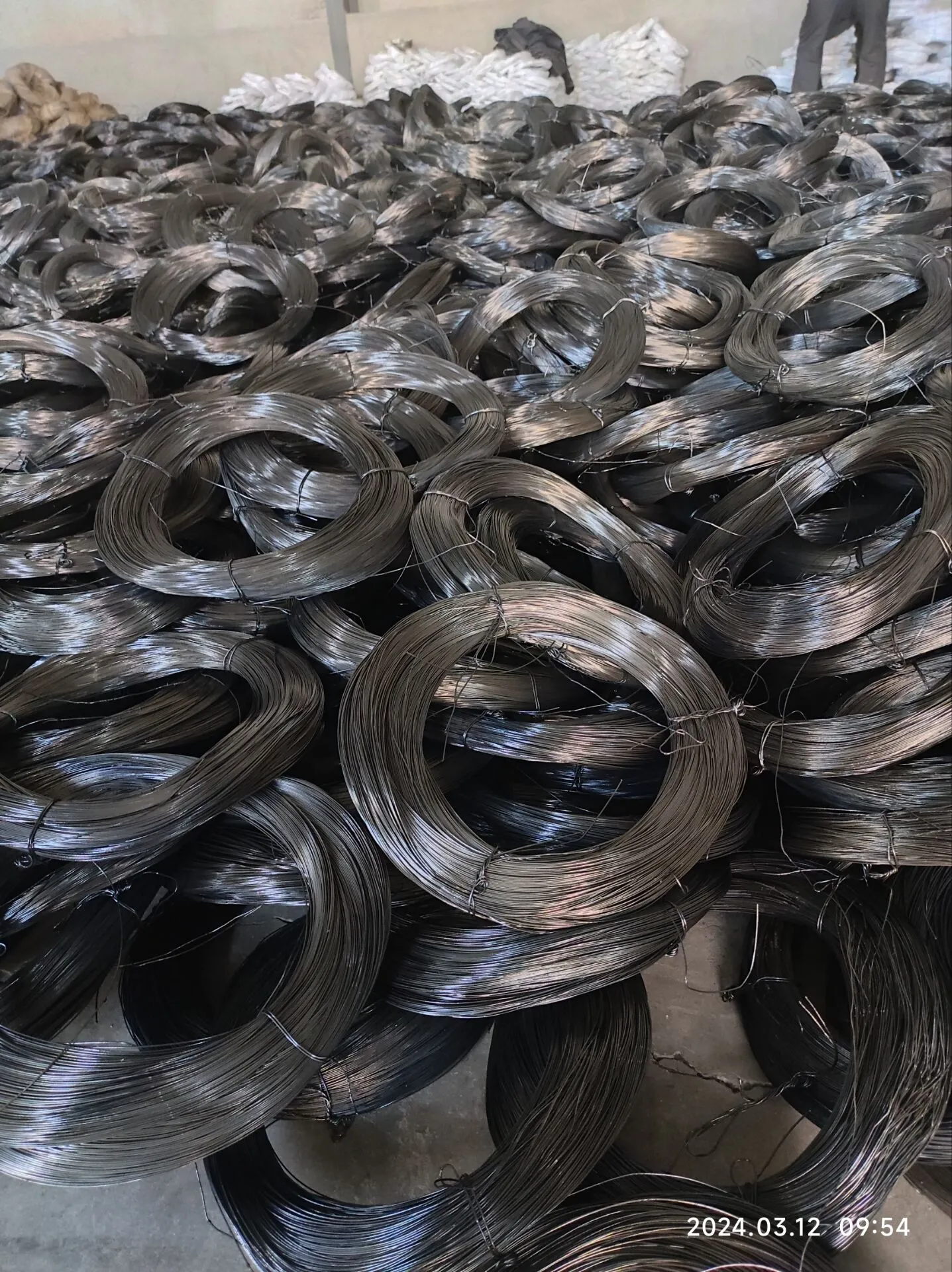
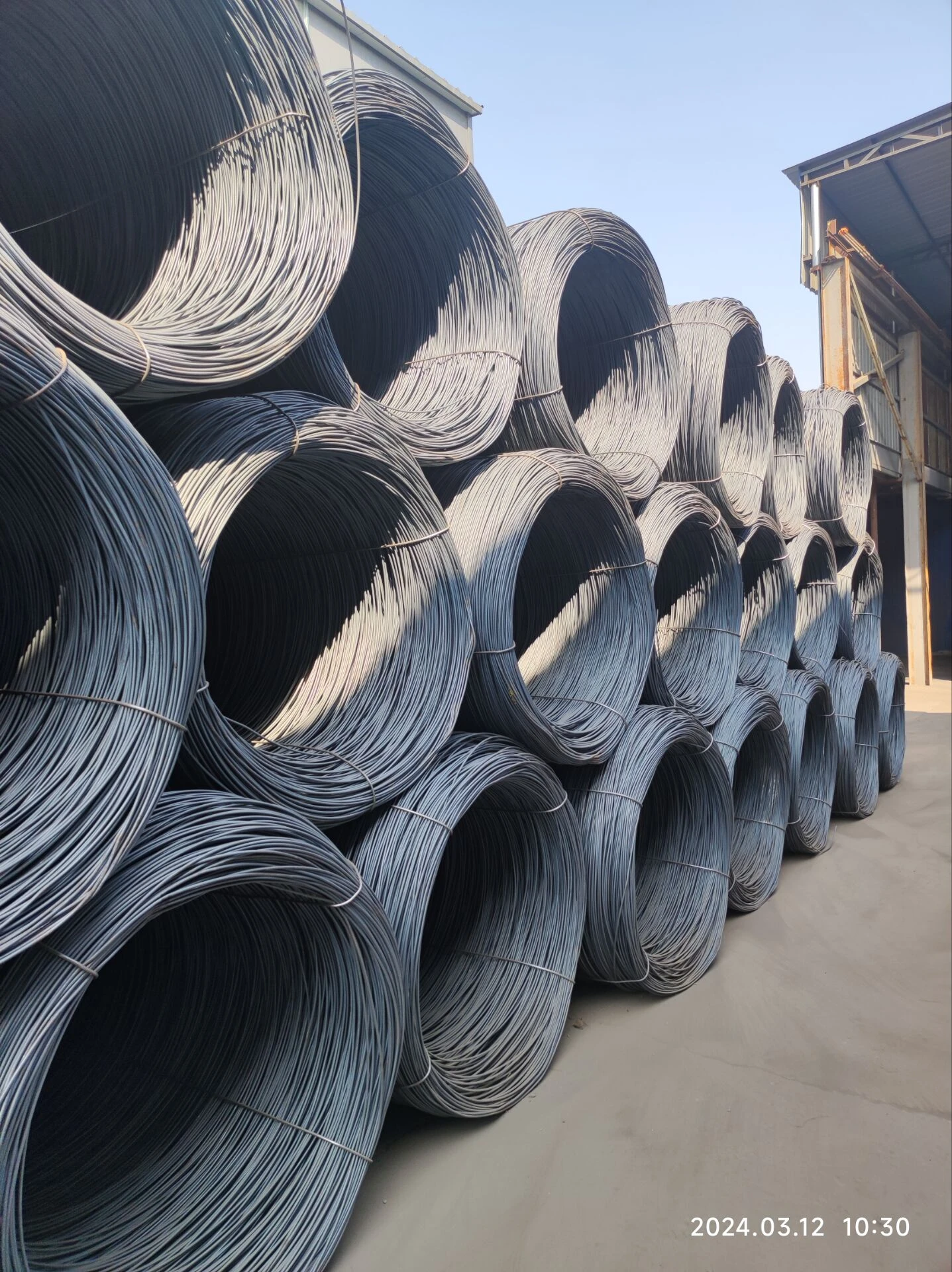
Common nails are predominantly manufactured from low-carbon steel, typically SAE 1008 or similar grades. The raw material’s tensile strength (approximately 350-450 MPa) and ductility are critical properties. Manufacturing begins with wire drawing, reducing the steel diameter to the desired nail shank size. This process introduces work hardening, slightly increasing the steel's yield strength. The wire is then fed into a heading machine, which forms the nail head through a cold forging process. This deformation further increases the hardness of the head relative to the shank. Point grinding follows, shaping the nail point for efficient penetration. Finally, a coating—typically a galvanization process—is applied to enhance corrosion resistance. Hot-dip galvanization provides a thicker, more durable coating than electrogalvanization. Key parameter control during manufacturing involves maintaining consistent wire diameter, heading pressure, and coating thickness. Variations in these parameters directly affect nail performance. Hydrogen embrittlement, a potential consequence of the galvanization process, is mitigated through post-treatment baking to drive off absorbed hydrogen.
Performance & Engineering
The performance of common nails is fundamentally governed by shear and withdrawal resistance. Shear resistance is directly proportional to the nail shank diameter and the wood's density. Withdrawal resistance, however, is more complex, influenced by nail length, shank diameter, wood species, and nail angle. Force analysis reveals that the majority of the load is carried by the shank in shear, while the head resists pull-through. Environmental resistance, particularly corrosion, is a significant concern. Exposure to moisture and chlorides can initiate rust formation, weakening the nail and reducing its holding power. Compliance requirements vary depending on the application. For structural applications governed by building codes, nail size and spacing are dictated by engineering calculations based on established load tables and safety factors. The angle of nail penetration is crucial; excessive angles reduce shear strength. Furthermore, the nail’s ability to withstand cyclical loading (fatigue) is important in applications subject to vibration or repeated stress. The bending moment experienced by the nail during installation must remain within the steel's elastic limit to prevent permanent deformation.
Technical Specifications
| Nail Diameter (Gauge) | Nail Length (inches) | Shear Strength (lbs) | Withdrawal Resistance (lbs) - Softwood (SPF) |
|---|---|---|---|
| 6d (0.113 inch) | 2.0 inches | 650 | 150 |
| 8d (0.131 inch) | 2.5 inches | 900 | 225 |
| 10d (0.148 inch) | 3.0 inches | 1200 | 300 |
| 12d (0.162 inch) | 3.5 inches | 1500 | 375 |
| 16d (0.196 inch) | 4.0 inches | 2000 | 450 |
| 20d (0.232 inch) | 5.0 inches | 2800 | 600 |
Failure Mode & Maintenance
Common nails are susceptible to several failure modes. Fatigue cracking, initiated by cyclical loading, often occurs at the nail shank near the head. Delamination of the wood surrounding the nail shank is a common failure, particularly in softer wood species. Corrosion, leading to reduced shank diameter and eventual fracture, is a long-term degradation mechanism. Bending, resulting from excessive lateral force during installation or use, can cause permanent deformation or breakage. Shear failure occurs when the force applied exceeds the nail's shear strength. Withdrawal failure results from insufficient nail length or inadequate friction between the nail shank and the wood. Maintenance is limited, as nails are typically inaccessible after installation. However, preventative measures include selecting appropriately sized nails for the application, ensuring proper installation techniques (avoiding bending and angling), and using corrosion-resistant coatings in humid or corrosive environments. Regular inspection of structures utilizing common nails can identify signs of corrosion or wood degradation, allowing for timely replacement of compromised fasteners.
Industry FAQ
Q: What is the impact of wood species on nail holding power?
A: Wood density is the primary factor. Harder woods (e.g., oak, maple) provide significantly greater holding power than softer woods (e.g., pine, fir). This is due to increased friction between the nail shank and the wood fibers. Nail withdrawal resistance is directly correlated with wood density.
Q: How does galvanization affect the long-term performance of common nails?
A: Galvanization significantly improves corrosion resistance. However, the type of galvanization matters. Hot-dip galvanization provides a thicker, more durable coating than electrogalvanization. Even with galvanization, nails are still susceptible to corrosion in highly corrosive environments.
Q: What is the difference between a common nail and a box nail?
A: Box nails have a thinner shank compared to common nails of the same gauge. This makes them easier to drive and less likely to split the wood, making them ideal for thin materials like plywood or siding. However, they have lower shear strength than common nails.
Q: What is the correct nail driving angle for maximum shear strength?
A: The ideal nail driving angle is 90 degrees (perpendicular) to the wood surface. Deviations from this angle reduce the effective shear area of the nail shank, leading to decreased holding power. Angling also introduces bending stress during loading.
Q: How does nail spacing influence the overall strength of a wood connection?
A: Nail spacing is crucial. Closely spaced nails distribute the load more evenly and reduce stress concentration. However, excessively close spacing can lead to wood splitting. Building codes specify minimum and maximum nail spacing based on load requirements and wood species.
Conclusion
Common nails, despite their apparent simplicity, represent a sophisticated application of materials science and engineering principles. Their performance is dictated by a complex interplay of material properties, manufacturing processes, and environmental factors. Understanding these intricacies is essential for selecting the appropriate nail size and type for a given application and ensuring the structural integrity of the assembled structure.
Future advancements in fastener technology may focus on developing more corrosion-resistant coatings and optimizing nail shank geometries to enhance shear and withdrawal resistance. Continued research into wood-fastener interactions will refine design guidelines and improve the reliability of wood-based construction.