



Introduction
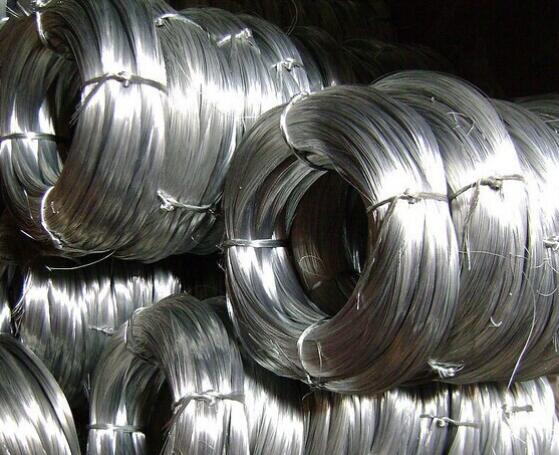
Galvanized copper wire is a composite material consisting of a copper core coated with a layer of zinc. Its primary function is to combine the excellent conductivity of copper with the corrosion resistance of zinc. This combination finds widespread application in electrical grounding, fencing, cable armouring, and various industrial applications where environmental durability is crucial. Positioned within the broader metals industry, galvanized copper wire represents a value-added product derived from both copper and zinc refining processes. Core performance characteristics include electrical conductivity, tensile strength, corrosion resistance, and flexibility. The zinc coating acts as a sacrificial anode, protecting the underlying copper from oxidation and environmental degradation. Understanding these core properties is critical for engineers and procurement professionals selecting materials for demanding applications. The increasing demand for durable and reliable electrical and structural components drives the continued development and optimization of galvanized copper wire manufacturing processes.
Material Science & Manufacturing
The core material, copper, typically utilizes electrolytic tough pitch (ETP) copper due to its high conductivity and ductility. The zinc coating is commonly applied via hot-dip galvanizing, a process where the wire is passed through a molten zinc bath. Prior to galvanizing, the copper wire undergoes thorough cleaning and pickling to remove oxides and contaminants, ensuring optimal zinc adhesion. Zinc purity is critical, with commercially pure zinc (99.995% Zn) being the standard. Manufacturing parameters such as bath temperature (typically 450-460°C), immersion time, and cooling rate directly influence the zinc coating thickness and morphology. Coating thickness is a crucial parameter, often specified in terms of zinc weight per unit area (e.g., g/m2). Variations in zinc alloy composition, such as the addition of aluminum or silicon, can enhance corrosion resistance. The metallurgical bond between the zinc and copper is primarily mechanical, relying on the diffusion of zinc into the copper surface to create an intermetallic layer. This layer, while thin, is vital for adhesion. Quality control involves monitoring zinc bath composition, wire surface cleanliness, and coating uniformity through techniques such as eddy current testing and microscopic examination. Drawbacks of hot-dip galvanizing include potential for non-uniform coating, spangling (excessive zinc crystal growth), and potential hydrogen embrittlement of the copper core.

Performance & Engineering
The performance of galvanized copper wire is dictated by several factors, including tensile strength, elongation, electrical conductivity, and corrosion resistance. Tensile strength is dependent on the copper core material and wire diameter, typically ranging from 300-500 MPa. Elongation, a measure of ductility, is important for applications requiring bending or forming. Electrical conductivity, a key characteristic, is primarily governed by the copper content, typically exceeding 57% IACS (International Annealed Copper Standard). Corrosion resistance is provided by the zinc coating, which functions as a barrier and sacrificial anode. The rate of zinc corrosion is influenced by environmental factors such as humidity, temperature, and exposure to pollutants (e.g., chlorides, sulfides). Force analysis in applications like fencing necessitates considering wind loads, tensile stresses, and the wire’s ability to withstand deformation without fracture. Environmental resistance requires adherence to standards like ASTM B117 (salt spray testing) to assess corrosion performance. Galvanized copper wire must meet specific compliance requirements depending on the application. For electrical grounding, adherence to IEC 62561-1 and similar national standards is critical. Furthermore, wire gauge (AWG or SWG) must be appropriately selected based on the current-carrying capacity and voltage requirements of the system. Finite element analysis (FEA) is often employed to simulate stress distributions and optimize wire design for specific applications.
Technical Specifications
| Parameter | Unit | Typical Value | Testing Standard |
|---|---|---|---|
| Copper Purity | % | 99.9% (ETP) | ASTM E290 |
| Zinc Coating Thickness | µm | 40-100 | ASTM B693 |
| Tensile Strength | MPa | 350-450 | ASTM B854 |
| Elongation | % | 15-25 | ASTM B854 |
| Electrical Conductivity | % IACS | >57% | IEC 60044-1 |
| Zinc Coating Uniformity | Deviation (%) | ±10% | ASTM B693 |
Failure Mode & Maintenance
Common failure modes of galvanized copper wire include corrosion-induced failure, mechanical fracture, and coating defects. Corrosion can manifest as localized pitting or uniform thinning of the zinc coating, eventually exposing the underlying copper to oxidation. Galvanic corrosion can occur if the wire is in contact with dissimilar metals in a conductive environment. Mechanical fracture typically results from tensile overload, fatigue cracking, or bending stresses. Coating defects, such as voids, cracks, or incomplete coverage, accelerate corrosion and reduce the wire's lifespan. Hydrogen embrittlement, a consequence of the hot-dip galvanizing process, can reduce ductility and increase susceptibility to cracking. Failure analysis often involves microscopic examination of fracture surfaces, corrosion products, and coating morphology. Maintenance strategies include regular visual inspection for signs of corrosion or damage. If corrosion is detected, localized repair using zinc-rich coatings may extend service life. Periodic cleaning to remove dirt and contaminants helps prevent accelerated corrosion. For applications in harsh environments, consider applying a protective coating over the galvanized layer, such as epoxy or polyurethane. Proper storage conditions, avoiding exposure to moisture and corrosive substances, are essential to prevent premature degradation. Replacement of the wire should occur if significant corrosion or mechanical damage is observed, compromising structural integrity or electrical conductivity.
Industry FAQ
Q: What is the primary difference between galvanized copper wire and solid copper wire in terms of corrosion resistance?
A: Solid copper wire, while an excellent conductor, is susceptible to oxidation and corrosion, particularly in harsh environments. Galvanized copper wire utilizes a zinc coating which acts as a sacrificial anode. The zinc corrodes preferentially, protecting the copper core from degradation. This significantly enhances corrosion resistance compared to bare copper, especially in outdoor or corrosive applications.
Q: How does the thickness of the zinc coating affect the longevity of the wire?
A: The thickness of the zinc coating is directly proportional to the wire’s corrosion resistance and lifespan. A thicker coating provides a greater reservoir of zinc to act as a sacrificial anode, delaying the onset of copper corrosion. However, excessively thick coatings can lead to issues like spangling and increased cost. The optimal coating thickness is determined by the severity of the exposure environment and the desired service life.
Q: What are the potential drawbacks of using galvanized copper wire compared to other grounding materials?
A: Potential drawbacks include the possibility of galvanic corrosion if in contact with dissimilar metals, hydrogen embrittlement during manufacturing which can reduce ductility, and the potential for zinc coating degradation over time. While generally robust, it’s essential to consider compatibility with other system components and environmental conditions.
Q: Is galvanized copper wire suitable for high-frequency applications?
A: While galvanized copper wire maintains good conductivity, the zinc coating can introduce a slight increase in resistance, particularly at high frequencies due to the skin effect. For critical high-frequency applications, solid copper wire or silver-plated copper wire may be preferred to minimize signal loss. However, for many common electrical grounding applications, the impact is negligible.
Q: What quality control measures are typically employed during the manufacturing of galvanized copper wire?
A: Quality control measures include monitoring zinc bath composition, verifying wire surface cleanliness before galvanizing, measuring coating thickness and uniformity using eddy current testing, performing adhesion tests, and conducting tensile strength and elongation tests. Microscopic examination of the coating structure is also crucial to identify defects and ensure quality.
Conclusion
Galvanized copper wire represents a robust and cost-effective solution for applications requiring a combination of electrical conductivity and corrosion resistance. The hot-dip galvanizing process, while presenting certain manufacturing challenges like potential hydrogen embrittlement and coating uniformity, provides a durable protective layer for the copper core. Careful selection of materials, adherence to stringent manufacturing parameters, and rigorous quality control are essential to ensure optimal performance and longevity.
Continued advancements in zinc alloy compositions and coating techniques will likely further enhance the corrosion resistance and durability of galvanized copper wire. The demand for this material is expected to remain strong across various industries, driven by the need for reliable and environmentally durable electrical and structural components. Future research should focus on mitigating the potential drawbacks of the galvanizing process and exploring alternative coating methods to improve overall performance and reduce environmental impact.