



Introduction
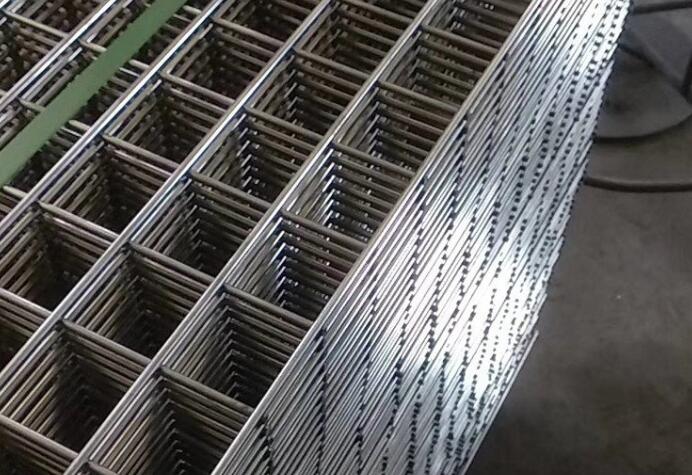
Galvanized wire is a carbon steel wire coated with a layer of zinc, primarily utilized for its enhanced corrosion resistance. Positioned within the broader metallic materials industry, it serves as a critical component in applications ranging from fencing and cable armoring to construction binding and agricultural ties. The galvanization process, fundamentally an electrochemical protection mechanism, extends the service life of the steel substrate by sacrificing the zinc layer as the first line of defense against environmental degradation. Core performance characteristics include tensile strength, ductility, zinc coating thickness, and adherence of the zinc coating to the steel core. Understanding these properties is crucial for selecting the appropriate galvanized wire for specific applications and ensuring long-term structural integrity and operational reliability. The industry faces key challenges including maintaining consistent zinc coating quality, minimizing hydrogen embrittlement during processing, and addressing environmental regulations related to zinc usage and waste disposal.
Material Science & Manufacturing
The core material for galvanized wire is typically low-carbon steel, often SAE 1008 or similar grades, chosen for its balance of strength and ductility. The steel's composition significantly impacts the galvanization process; impurities like phosphorus and sulfur can hinder zinc adhesion and create brittle spots. Zinc used for galvanization is typically of SHG (Special High Grade) quality, containing a minimum of 99.995% zinc purity. Manufacturing begins with wire drawing, reducing the steel billet to the desired wire diameter. This process induces work hardening, requiring subsequent annealing to restore ductility. The galvanization process itself is predominantly carried out via either hot-dip galvanizing or electrogalvanizing. Hot-dip galvanizing involves immersing the cleaned steel wire in a molten zinc bath (typically 450-460°C). The reaction forms a series of zinc-iron alloy layers, followed by an outer layer of pure zinc. Critical parameters include bath temperature, immersion time, and steel surface preparation (cleaning and pickling). Electrogalvanizing utilizes an electrolytic cell to deposit zinc onto the steel wire. This method offers greater control over coating thickness and produces a smoother, more uniform coating, but generally results in a thinner coating compared to hot-dip galvanizing. Post-galvanization treatments, such as chromate conversion coatings, may be applied to enhance corrosion resistance, but are increasingly restricted due to environmental concerns. Careful control of cooling rates after galvanization is essential to minimize stresses and prevent cracking of the zinc coating.
Performance & Engineering
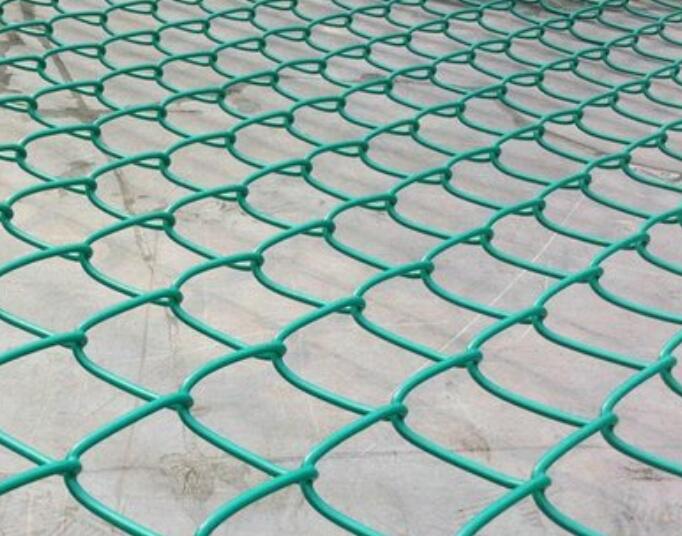
The performance of galvanized wire is critically tied to its mechanical properties and environmental resistance. Tensile strength, measured in MPa or psi, determines the wire's ability to withstand pulling forces without breaking. Ductility, assessed through elongation percentage, dictates its ability to deform plastically before fracture. Corrosion resistance is governed by the zinc coating thickness, typically measured in µm or g/m². The zinc layer provides cathodic protection, whereby the zinc corrodes preferentially, shielding the steel substrate. Environmental factors significantly influence corrosion rates. Exposure to saline environments (marine applications) and industrial pollutants (sulfur dioxide, chlorides) accelerates corrosion. Galvanized wire used in structural applications undergoes force analysis to determine load-bearing capacity and safety factors. These calculations must account for potential corrosion-induced weakening of the wire over its service life. Compliance requirements vary based on intended use. For fencing applications, standards like ASTM A121 address zinc coating quality and wire mechanical properties. For cable armoring, IEC standards specify performance criteria related to strength, flexibility, and corrosion resistance. Hydrogen embrittlement, a potential failure mechanism, occurs when atomic hydrogen generated during pickling or hot-dip galvanizing diffuses into the steel, reducing its ductility and increasing its susceptibility to cracking. Baking the wire post-galvanization can mitigate this effect by allowing the hydrogen to diffuse out.
Technical Specifications
| Wire Diameter (mm) | Tensile Strength (MPa) | Zinc Coating Thickness (µm) | Elongation (%) |
|---|---|---|---|
| 1.6 | 350-450 | 45-60 | 10-15 |
| 2.0 | 300-400 | 55-75 | 8-12 |
| 2.5 | 280-380 | 65-85 | 6-10 |
| 3.0 | 250-350 | 75-95 | 5-9 |
| 4.0 | 220-320 | 85-105 | 4-8 |
| 5.0 | 200-300 | 95-115 | 3-7 |
Failure Mode & Maintenance
Galvanized wire can experience several failure modes. Uniform corrosion, while slow, gradually reduces the zinc coating thickness, eventually exposing the steel substrate. Localized corrosion, such as pitting and crevice corrosion, accelerates degradation in specific areas due to imperfections in the coating or exposure to concentrated corrosive agents. Galvanic corrosion occurs when the galvanized wire is in contact with a more noble metal, accelerating the zinc’s corrosion rate. Mechanical damage, including bending, abrasion, and impact, can compromise the zinc coating, creating pathways for corrosion. Hydrogen embrittlement, as previously mentioned, leads to premature failure under tensile stress. White rust (zinc corrosion product) can form in humid environments, indicating early stage corrosion. Maintenance strategies include regular visual inspections to identify areas of coating damage or corrosion. Damaged areas can be addressed with zinc-rich paints or coatings to provide localized protection. Proper storage is critical; wire should be stored in a dry, well-ventilated area to minimize white rust formation. Avoiding excessive bending or mechanical stress during handling and installation is also essential. For critical applications, periodic coating thickness measurements can help assess remaining corrosion protection and schedule proactive maintenance. Implementing cathodic protection systems in conjunction with galvanized wire can further extend service life in highly corrosive environments.
Industry FAQ
Q: What is the primary difference between hot-dip galvanizing and electrogalvanizing, and when would you choose one over the other?
A: Hot-dip galvanizing provides a thicker zinc coating, resulting in superior long-term corrosion protection, particularly in harsh environments. It’s generally more cost-effective for applications where coating thickness is paramount. Electrogalvanizing offers a smoother, more uniform coating with tighter tolerance control, making it suitable for applications where aesthetics or precise coating dimensions are critical. However, the thinner coating provides less corrosion resistance than hot-dip galvanizing.
Q: How does the steel substrate's chemical composition impact the galvanization process?
A: The steel's chemical composition significantly affects zinc adhesion. Higher levels of impurities like phosphorus and sulfur can inhibit zinc bonding, resulting in a brittle coating prone to cracking. Lower carbon content generally improves galvanizability. Pre-treatment processes are crucial to minimize the impact of these impurities.
Q: What steps can be taken to prevent hydrogen embrittlement in galvanized wire?
A: Hydrogen embrittlement can be mitigated through several strategies. Thoroughly cleaning the steel prior to galvanizing minimizes hydrogen generation. Baking the wire at a low temperature (e.g., 150-200°C) after galvanizing allows the absorbed hydrogen to diffuse out. Controlling the pickling process to minimize acid concentration and exposure time is also beneficial.
Q: What are the environmental concerns associated with galvanizing, and what mitigation measures are being implemented?
A: Environmental concerns primarily relate to the handling and disposal of zinc-containing wastewater and fumes. Regulations are increasingly restricting the use of hexavalent chromium in post-galvanization treatments due to its toxicity. Mitigation measures include wastewater treatment to remove zinc and other contaminants, fume control systems to capture zinc oxide particles, and the adoption of alternative, environmentally friendly coatings.
Q: How does temperature affect the corrosion rate of galvanized wire?
A: Corrosion rates generally increase with temperature. Higher temperatures accelerate the electrochemical reactions responsible for zinc corrosion. In colder climates, the formation of condensation and the presence of de-icing salts can also contribute to corrosion. Therefore, understanding the operating temperature range is critical when selecting galvanized wire for a specific application.
Conclusion
Galvanized wire remains a cornerstone material in a wide range of industrial applications, valued for its cost-effectiveness and corrosion resistance. The manufacturing process, encompassing steel preparation, galvanization (hot-dip or electrogalvanizing), and post-treatment, demands stringent parameter control to ensure optimal coating quality and performance. A thorough understanding of the material science principles governing the zinc-steel interaction, coupled with awareness of potential failure modes like corrosion, hydrogen embrittlement, and mechanical damage, is essential for selecting the appropriate galvanized wire and implementing effective maintenance strategies.
Future trends in galvanized wire technology will likely focus on enhancing corrosion resistance through novel coating compositions, minimizing environmental impact through the development of more sustainable galvanization processes, and improving the durability of the wire through advanced surface treatments. Continued research and development efforts are crucial to address evolving industry needs and maintain the long-term viability of this vital material.