


Introduction
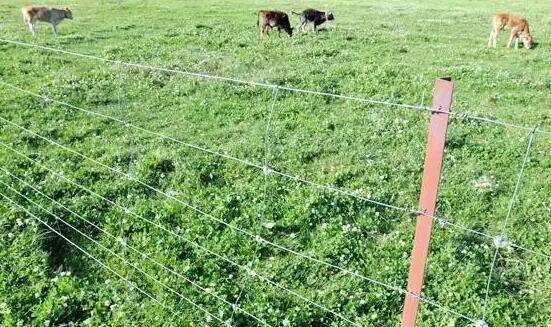
Galvanized Iron (GI) Wire 14 gauge represents a critical component in numerous industrial and construction applications. Defined by its 2.31 mm diameter (corresponding to 14 gauge), GI wire 14 is a carbon steel wire coated with a zinc layer to provide corrosion resistance. Positioned within the materials supply chain as a semi-finished product, it serves as a foundational element for fencing, cable armoring, binding, and various fabrication processes. Core performance characteristics include tensile strength, ductility, formability, and, most crucially, the longevity provided by the zinc coating which acts as a sacrificial anode. The industry frequently faces challenges related to inconsistent zinc coating thickness, hydrogen embrittlement during processing, and ensuring adequate adhesion of the coating to the steel substrate. Understanding these factors is paramount for reliable performance in diverse environments.
Material Science & Manufacturing
GI Wire 14 begins with high-carbon steel rod, typically AISI 1008 or similar grades, possessing a carbon content of approximately 0.08-0.12%. The steel's mechanical properties are fundamentally dictated by its chemical composition and subsequent heat treatment. Manufacturing commences with wire drawing, reducing the rod’s diameter through a series of progressively smaller dies. Lubricants are crucial during this process to minimize friction and prevent die wear. Following drawing, the wire undergoes cleaning to remove residual lubricants and mill scale. The galvanizing process, typically hot-dip galvanizing, is then employed. This involves immersing the cleaned wire in a bath of molten zinc (98% purity or higher) maintained at approximately 450-460°C. The zinc metallurgically bonds with the steel surface, forming a series of zinc-iron alloy layers and an outer layer of pure zinc. Critical parameters include immersion time, zinc bath temperature, cooling rate, and the composition of the steel. Electrogalvanizing is another method, offering greater control over coating thickness but generally resulting in a less robust corrosion protection compared to hot-dip galvanizing. Post-galvanizing, the wire may undergo passivation treatments to enhance corrosion resistance and appearance. Quality control focuses on coating thickness (measured in g/m² or µm), coating uniformity, and the absence of defects like bare spots or drips.
Performance & Engineering
The performance of GI Wire 14 is directly linked to its mechanical and protective properties. Tensile strength, typically ranging from 480-550 MPa, dictates the wire's load-bearing capacity. Ductility, measured by elongation at break (typically 12-15%), determines its ability to deform without fracturing, crucial for forming and tying applications. The zinc coating provides cathodic protection; as long as the zinc remains, it will corrode preferentially to the steel, extending the wire’s service life. However, the effectiveness of this protection depends on coating thickness and environmental factors. In highly corrosive environments (e.g., marine or industrial areas with high sulfur dioxide levels), the zinc will corrode at an accelerated rate. Engineering considerations include assessing the anticipated load on the wire, the environmental conditions it will be exposed to, and the potential for mechanical abrasion or damage to the coating. Stress corrosion cracking, particularly in the presence of chlorides, is a potential failure mechanism. The wire's performance must also meet relevant standards (see section 7) for dimensional accuracy, coating adhesion, and mechanical properties. Force analysis must consider both static and dynamic loads, and factor in safety margins to prevent failure.
Technical Specifications
| Parameter | Unit | Typical Value | Test Method |
|---|---|---|---|
| Diameter | mm | 2.31 | Micrometer (ISO 289) |
| Tensile Strength | MPa | 480-550 | ASTM A610 |
| Elongation at Break | % | 12-15 | ASTM A610 |
| Zinc Coating Weight | g/m² | 60-80 | ASTM B693 / ISO 9227 |
| Zinc Coating Thickness | µm | 8-10 | ASTM B693 / ISO 9227 |
| Hydrogen Embrittlement Resistance | Pass/Fail | Pass | ASTM A871 |
Failure Mode & Maintenance
Common failure modes for GI Wire 14 include corrosion (rusting), particularly at cut ends or damaged coating areas; fatigue cracking under cyclic loading; and hydrogen embrittlement which can lead to delayed cracking. Corrosion proceeds through the depletion of zinc and eventual exposure of the underlying steel to the environment. Red rust formation is a clear indicator of coating failure. Fatigue cracking is more prevalent in applications involving repeated bending or tension. Hydrogen embrittlement occurs when atomic hydrogen, generated during the galvanizing process, diffuses into the steel lattice, reducing its ductility and increasing its susceptibility to cracking. Maintenance involves periodic inspection for signs of corrosion and damage. Applying a protective coating, such as zinc-rich paint or a bituminous compound, to damaged areas can significantly extend the wire’s lifespan. For applications exposed to harsh environments, consider using thicker zinc coatings or supplementary corrosion protection systems. Preventive measures include avoiding mechanical damage to the coating during handling and installation, and ensuring proper storage to minimize exposure to moisture. In severe cases of corrosion, complete replacement of the wire may be necessary. Removal of any corrosion products before applying protective coatings is essential for optimal adhesion.
Industry FAQ
Q: What is the primary difference between hot-dip galvanizing and electrogalvanizing for GI wire, and which is preferred for fencing applications?
A: Hot-dip galvanizing results in a thicker, more robust zinc coating with superior corrosion resistance due to the metallurgical bonding process. Electrogalvanizing offers more precise control over coating thickness but produces a thinner coating with lower adhesion. For fencing, hot-dip galvanizing is generally preferred due to its enhanced durability in outdoor environments, despite potentially higher cost.
Q: How does the carbon content of the steel core affect the performance of GI wire 14?
A: Higher carbon content increases the steel’s hardness and tensile strength, but reduces its ductility. GI Wire 14 typically utilizes low-carbon steel (AISI 1008) to achieve a balance between strength and formability, ensuring it can withstand bending and tying operations without fracturing.
Q: What are the implications of hydrogen embrittlement, and how can it be mitigated?
A: Hydrogen embrittlement reduces the steel's ductility, leading to premature failure, particularly under tensile stress. Mitigation involves controlling the galvanizing process to minimize hydrogen absorption, employing post-galvanizing baking to drive out absorbed hydrogen, and using steel grades with inherent resistance to hydrogen embrittlement.
Q: What level of coating uniformity is considered acceptable for GI wire 14, and how is it measured?
A: Coating uniformity is critical. Acceptable variations are typically defined by standards like ASTM B693. Non-destructive testing methods like eddy current testing are used to assess coating thickness and identify localized variations. Significant variations (outside specified tolerances) can indicate process control issues and compromise corrosion protection.
Q: How does exposure to saltwater or chloride environments affect the lifespan of GI wire 14?
A: Chloride ions accelerate the corrosion of zinc, reducing its protective effect. In saltwater environments, the lifespan of GI wire is significantly reduced. Consider using higher zinc coating weights, supplementary corrosion protection systems (e.g., epoxy coatings), or alternative materials like stainless steel for applications exposed to prolonged saltwater exposure.
Conclusion
GI Wire 14 remains a foundational material in numerous industries owing to its cost-effectiveness and robust corrosion resistance when properly manufactured and maintained. Understanding the interplay between material science, manufacturing processes (particularly the galvanizing process), and environmental factors is essential for maximizing its service life and ensuring reliable performance. The key to long-term durability lies in meticulous quality control during production, appropriate selection of steel grade and coating weight, and consistent inspection and maintenance throughout its operational lifespan.
Future developments are likely to focus on advanced coating technologies, such as zinc-aluminum alloys, to further enhance corrosion resistance and reduce material costs. The implementation of more sophisticated non-destructive testing methods will also be crucial for identifying potential defects early in the production process, leading to improved product quality and reduced failure rates. Continued research into mitigating hydrogen embrittlement remains a priority for ensuring the long-term structural integrity of GI wire in demanding applications.