



Introduction
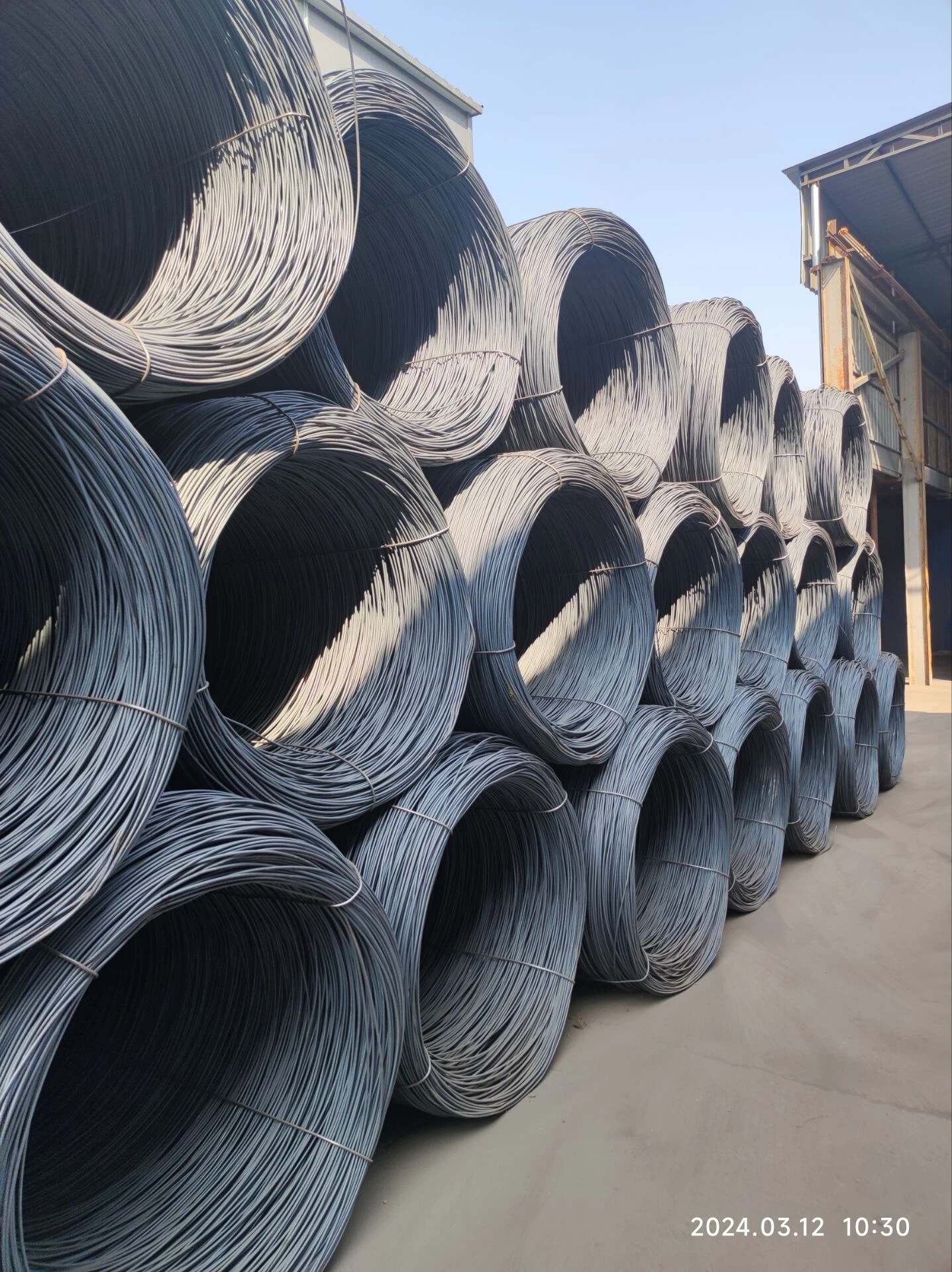
Galvanized (GI) wire is a carbon steel wire coated with a zinc layer, serving as a crucial component in numerous construction applications. Its technical position within the construction materials supply chain is foundational, acting as a binding, reinforcing, and support element. GI wire’s primary performance characteristics center on corrosion resistance, tensile strength, and ductility. Unlike bare steel wire, the zinc coating provides cathodic protection, significantly extending service life in harsh environmental conditions. This guide provides a comprehensive examination of GI wire for construction, covering material science, manufacturing processes, performance parameters, potential failure modes, and relevant industry standards. The selection of appropriate GI wire grade and specification is critical for structural integrity and long-term project durability, addressing core industry pain points related to material degradation, unexpected failures, and adherence to stringent building codes.
Material Science & Manufacturing
The fundamental material for GI wire is typically low-carbon steel (e.g., SAE 1008, 1010), selected for its ductility and weldability. The steel's composition influences its tensile strength and formability. The zinc coating is applied through either hot-dip galvanizing or electro-galvanizing. Hot-dip galvanizing involves immersing the steel wire in a bath of molten zinc, creating a metallurgical bond with a thick, robust coating. Electro-galvanizing uses an electrolytic process to deposit a thinner, more uniform zinc layer. The purity of the zinc used is vital; common grades are Zn99.995% or higher. Manufacturing involves several stages: wire drawing to achieve the desired diameter, cleaning to remove surface contaminants (scale, rust, oil), and then the galvanizing process itself. Critical parameters during galvanizing include bath temperature (around 450°C for hot-dip), immersion time, and cooling rate, all influencing coating thickness and adherence. Post-galvanizing treatments, like passivation, enhance corrosion resistance by forming a protective film on the zinc surface. Coating thickness is controlled to meet specified standards and is typically measured in mass per unit area (g/m²). The mechanical properties of the steel wire before galvanizing, such as yield strength and ultimate tensile strength, directly impact the finished product's performance. Zinc’s chemical compatibility with steel is the basis for the cathodic protection mechanism.
Performance & Engineering
The primary performance requirement for GI wire in construction is its ability to withstand tensile loads and resist corrosion. Force analysis under various loading conditions (static, dynamic, impact) is crucial for determining the appropriate wire diameter and grade. The tensile strength of GI wire must exceed the expected loads during construction and throughout the structure’s lifespan. Environmental resistance is paramount. Exposure to moisture, chlorides (e.g., saltwater in coastal regions), and industrial pollutants accelerates corrosion. The zinc coating protects the steel through sacrificial corrosion; the zinc corrodes preferentially, protecting the underlying steel. The rate of corrosion depends on environmental factors, coating thickness, and the presence of any defects in the coating. Compliance requirements vary based on the application. For example, wire used in concrete reinforcement (stirrups, ties) must meet specific standards for bond strength and ductility to ensure effective stress transfer and prevent cracking. The galvanizing process alters the wire’s surface characteristics, potentially impacting friction coefficients. Engineering calculations must account for this when designing connections and assemblies. Galvanic corrosion can occur if GI wire is in contact with dissimilar metals in a conductive environment; appropriate isolation methods should be employed. The long-term performance is also affected by creep under sustained load, particularly at elevated temperatures.
Technical Specifications
| Parameter | Unit | Typical Value (Common Construction Grade) | Testing Standard |
|---|---|---|---|
| Tensile Strength | MPa | 380 - 550 | ASTM A641/A641M |
| Yield Strength | MPa | 250 - 400 | ASTM A641/A641M |
| Zinc Coating Thickness (Hot-Dip) | µm | 45 - 75 | ASTM A641/A641M |
| Zinc Coating Thickness (Electro-Galvanized) | µm | 5 - 25 | ASTM B695 |
| Elongation at Break | % | 15 - 25 | ASTM A641/A641M |
| Diameter | mm | 1.2 - 4.0 | Dimensional Tolerance Standards |
Failure Mode & Maintenance
GI wire can fail through several mechanisms. Uniform corrosion, resulting from gradual zinc depletion, is the most common failure mode. However, localized corrosion, such as pitting corrosion (initiated by defects in the coating or chloride attack), can lead to premature failure. Hydrogen embrittlement, a phenomenon where hydrogen atoms diffuse into the steel lattice, reducing ductility and increasing susceptibility to cracking, is also possible, particularly in high-strength wires and acidic environments. Mechanical damage (e.g., cuts, abrasions) exposes the underlying steel to corrosion. Fatigue cracking can occur under cyclic loading, particularly at stress concentration points (e.g., bends, kinks). Delamination of the zinc coating, caused by poor adhesion or thermal stresses, accelerates corrosion. Maintenance primarily focuses on preventing damage to the coating and providing supplementary protection. Regular inspections can identify areas of corrosion or mechanical damage. Applying a protective coating (e.g., paint, epoxy) over the galvanized surface provides an additional barrier against corrosion. For severely corroded wires, replacement is the most effective solution. Avoiding contact with dissimilar metals, or using appropriate isolation materials, minimizes galvanic corrosion. Periodic cleaning to remove debris and contaminants also helps prolong service life. Addressing sources of chloride exposure will mitigate corrosion rates.
Industry FAQ
Q: What is the difference between hot-dip galvanized wire and electro-galvanized wire in terms of corrosion resistance?
A: Hot-dip galvanizing provides a thicker zinc coating with a metallurgical bond to the steel, offering significantly superior corrosion resistance compared to electro-galvanizing, which has a thinner, electrodeposited coating. Hot-dip galvanizing is generally preferred for more demanding outdoor applications where long-term durability is critical.
Q: How does the diameter of the GI wire affect its load-bearing capacity?
A: The load-bearing capacity (tensile strength) is directly proportional to the cross-sectional area of the wire, which is determined by its diameter. A larger diameter wire has a greater cross-sectional area and, therefore, a higher tensile strength. Engineering calculations must account for this relationship to ensure adequate structural support.
Q: What are the implications of using GI wire in concrete structures regarding corrosion?
A: While the zinc coating provides protection, chlorides present in concrete (e.g., from de-icing salts or marine environments) can penetrate the concrete and attack the zinc, leading to corrosion of both the zinc and the underlying steel. Using corrosion inhibitors in the concrete mix, applying surface sealants, and selecting appropriate concrete mix designs can mitigate this risk.
Q: Can GI wire be welded? What precautions should be taken?
A: GI wire can be welded, but it requires special considerations. The zinc coating vaporizes during welding, releasing potentially harmful fumes. Adequate ventilation and appropriate respiratory protection are essential. The weld area will lose its galvanization, requiring post-weld coating repair (e.g., zinc-rich paint) to maintain corrosion protection.
Q: How does temperature affect the performance of GI wire?
A: Elevated temperatures can reduce the strength of both the steel and the zinc coating. Long-term exposure to high temperatures accelerates corrosion. In fire situations, the zinc coating will melt, potentially providing some limited fire resistance but ultimately not preventing steel weakening. Specific applications requiring high-temperature resistance should consider alternative materials.
Conclusion
GI wire remains a vital material in the construction industry due to its cost-effectiveness and reliable corrosion protection. Understanding the material science underpinning its performance, the intricacies of the manufacturing process, and the potential failure modes is crucial for ensuring long-term structural integrity. Selecting the appropriate GI wire grade and specification, coupled with proper installation practices and ongoing maintenance, maximizes its service life and minimizes the risk of premature failure.
Future developments in galvanizing technology, such as advanced coating compositions and improved surface treatments, promise to further enhance the corrosion resistance and performance of GI wire. The increasing focus on sustainable construction practices will likely drive demand for GI wire with higher recycled content and environmentally friendly manufacturing processes. Continued research into the long-term behavior of GI wire in various environments is essential for refining design guidelines and ensuring the safety and durability of construction projects.