




Introduction
Iron electric wire, commonly referred to as galvanized steel wire for electrical applications, represents a crucial component in power transmission, distribution networks, and grounding systems. Positioned within the broader metals industry supply chain, it serves as a key conductor material, bridging the gap between power generation and end-user consumption. Its primary function is to reliably transmit electrical current while providing structural support and corrosion resistance. Core performance characteristics include electrical conductivity, tensile strength, elongation, galvanization coating thickness, and resistance to atmospheric corrosion. The increasing demand for reliable power infrastructure, coupled with stringent safety standards, drives continuous advancements in iron electric wire manufacturing techniques and material compositions. Unlike copper wire, iron electric wire offers a cost-effective alternative, particularly in applications where weight and corrosion resistance are paramount, although with comparatively lower conductivity.
Material Science & Manufacturing
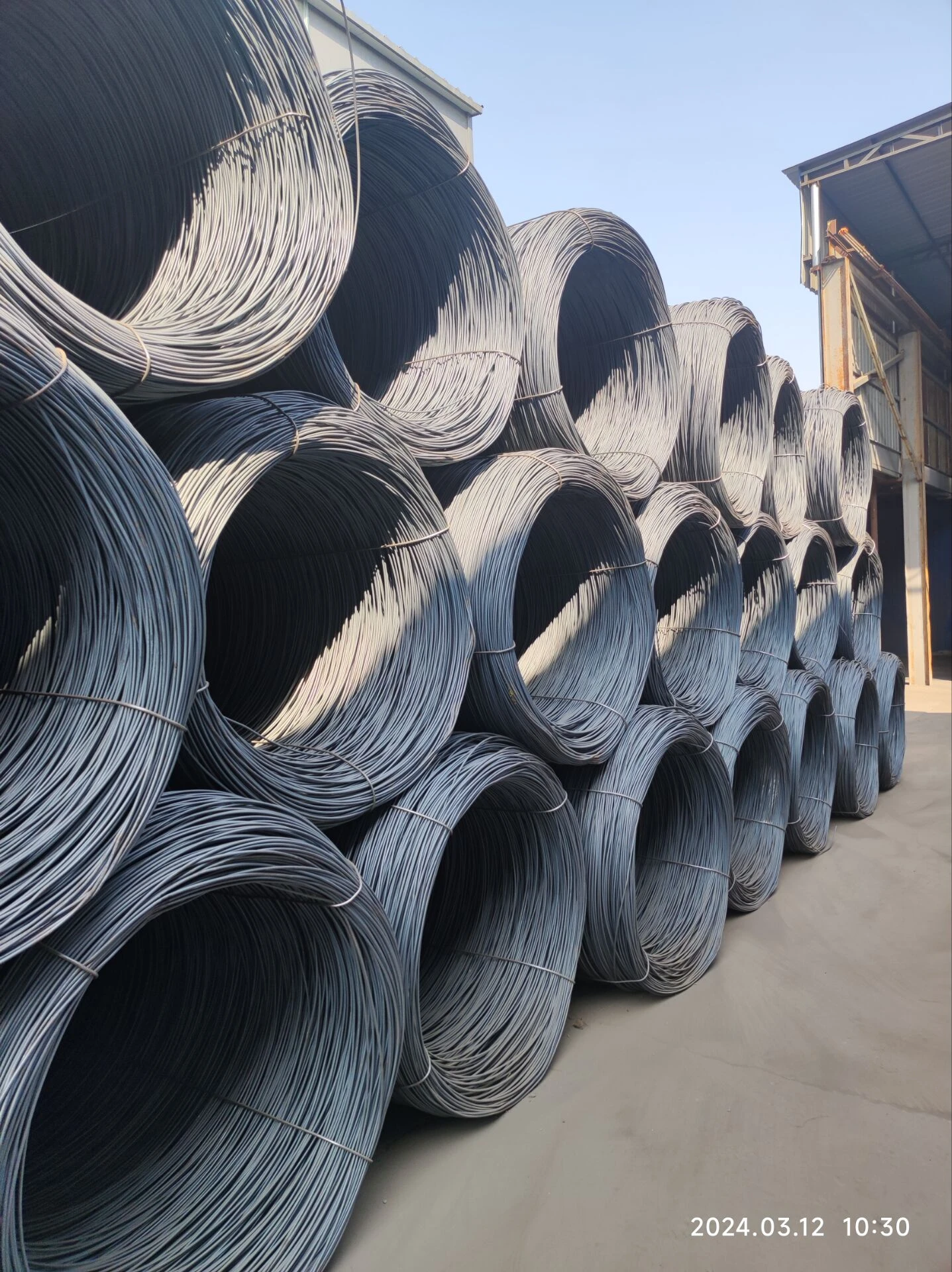
The raw material for iron electric wire is typically low-carbon steel (0.05% – 0.25% carbon content), selected for its balance of ductility and strength. Key physical properties include a density of approximately 7.87 g/cm³, a melting point of 1538°C, and a Young's modulus of around 200 GPa. The steel undergoes a hot-rolling process to reduce its diameter, followed by wire drawing – a cold-working process utilizing a series of progressively smaller dies to achieve the desired gauge. Critical parameters during wire drawing include die angle, drawing speed, and lubrication. Insufficient lubrication leads to increased friction, heat buildup, and potential wire breakage. Following wire drawing, the wire undergoes galvanization – a process of coating the steel with a layer of zinc to provide corrosion protection. Common galvanization methods include hot-dip galvanization (immersing the wire in molten zinc) and electro-galvanization (depositing zinc electrochemically). The thickness of the zinc coating is a critical parameter, typically measured in grams per square meter (g/m²) and directly impacting corrosion resistance. Chemical compatibility is crucial; the zinc coating must form a metallurgical bond with the steel substrate to prevent delamination. The presence of impurities in the steel or improper surface preparation can compromise the coating’s adherence. Quality control involves regular testing of steel composition, tensile strength, elongation, and coating thickness according to industry standards.
Performance & Engineering
The performance of iron electric wire is dictated by its electrical conductivity, mechanical strength, and environmental resistance. Electrical conductivity, measured in Siemens per meter (S/m), is lower than copper (approximately 5.96 x 10⁷ S/m for copper versus 4.5 x 10⁶ S/m for galvanized steel). This necessitates larger wire gauges for equivalent current carrying capacity. Mechanical stress analysis is critical in overhead power line applications. The wire must withstand tensile loads due to its weight, wind, ice loading, and short-circuit currents. Finite element analysis (FEA) is employed to model stress distribution and optimize wire sag. Environmental resistance, specifically corrosion protection, is paramount. The zinc coating acts as a sacrificial anode, corroding preferentially to the steel substrate. However, the rate of zinc corrosion is influenced by atmospheric conditions (humidity, salinity, pollutants). Compliance requirements include adherence to national electrical codes (NEC in the US, IEC internationally) and safety standards for grounding and transmission lines. Furthermore, the wire must meet specifications related to flame retardancy and resistance to UV degradation in outdoor applications. The long-term creep performance of the wire under sustained tensile loads also requires careful consideration, especially in high-temperature environments. Failure analysis often reveals corrosion-induced reduction in cross-sectional area leading to catastrophic breakage.
Technical Specifications
| Parameter | Unit | Typical Value | Testing Standard |
|---|---|---|---|
| Tensile Strength | MPa | 350 – 550 | ASTM A611 |
| Elongation | % | 12 – 20 | ASTM A611 |
| Zinc Coating Thickness | g/m² | 60 – 275 | ASTM A611 |
| Electrical Conductivity | % IACS (International Annealed Copper Standard) | 65 – 75 | IEC 60344 |
| Diameter | mm | 1.2 – 6.0 | GB/T 12706 |
| Hydrogen Embrittlement Resistance | Pass/Fail | Pass | ASTM A780 |
Failure Mode & Maintenance
Iron electric wire is susceptible to several failure modes. Corrosion is the most prevalent, leading to reduction in wire diameter and eventual breakage. This is exacerbated in marine environments or areas with high levels of industrial pollution. Fatigue cracking can occur due to cyclic loading from wind gusts or conductor galloping. Creep, the time-dependent deformation under sustained tensile load, can also lead to failure over extended periods, especially at elevated temperatures. Hydrogen embrittlement, caused by the absorption of hydrogen into the steel lattice, can significantly reduce ductility and promote cracking. Galvanization coating defects, such as voids or thin spots, accelerate corrosion. Maintenance strategies include regular visual inspections for corrosion, cracking, or coating damage. Thermographic imaging can identify hotspots indicative of loose connections or increased resistance. Periodic torque testing of connections ensures proper electrical contact. Protective coatings, such as specialized greases or corrosion inhibitors, can be applied to vulnerable areas. For heavily corroded sections, replacement is the recommended course of action. Preventive maintenance schedules should be established based on environmental conditions and operational stress levels. Furthermore, implementing proper grounding practices is crucial to mitigate the risk of electrolytic corrosion.
Industry FAQ
Q: What is the primary difference between hot-dip galvanization and electro-galvanization in terms of corrosion protection offered to iron electric wire?
A: Hot-dip galvanization generally provides a thicker and more durable zinc coating, offering superior long-term corrosion protection due to the thicker metallurgical bond formed during the process. Electro-galvanization yields a thinner, more uniform coating, often preferred for applications where precise coating thickness is critical, but may require supplementary protective measures for harsh environments.
Q: How does temperature affect the current carrying capacity of iron electric wire, and what safety factors are considered in design?
A: Increased temperature reduces the electrical conductivity of iron, thus decreasing the current carrying capacity. The resistance of the wire increases with temperature, leading to greater power loss and potential overheating. Safety factors typically range from 20% to 50%, depending on the application and the severity of the environmental conditions. These factors account for temperature variations, aging of the wire, and potential overloading.
Q: What are the key indicators of hydrogen embrittlement in iron electric wire, and how can it be prevented during manufacturing?
A: Key indicators include reduced ductility, increased susceptibility to cracking, and delayed failure under tensile stress. Hydrogen embrittlement can be prevented by controlling the pickling process (using inhibitors), minimizing exposure to hydrogen-containing atmospheres during manufacturing, and applying post-treatment baking to drive out absorbed hydrogen.
Q: What role does the wire’s surface finish play in its long-term performance, especially concerning corrosion resistance?
A: A smooth, clean surface finish is essential for optimal galvanization coating adhesion and uniform corrosion protection. Surface defects, such as scratches or scale, can create localized corrosion initiation points. Proper surface preparation, including cleaning and pickling, is critical to ensure a high-quality coating.
Q: How do international standards like IEC 60344 and ASTM A611 complement each other in ensuring the quality and safety of iron electric wire?
A: IEC 60344 provides comprehensive specifications for insulated conductors, covering electrical and mechanical properties, while ASTM A611 focuses specifically on the metallic characteristics of galvanized steel wire used in electrical applications. They work in tandem – ASTM A611 ensures the quality of the wire itself, while IEC 60344 verifies its suitability for use in electrical installations, providing a holistic approach to quality and safety.
Conclusion
Iron electric wire remains a vital component in modern electrical infrastructure, offering a cost-effective and reliable solution for power transmission and distribution. Its performance is dictated by a complex interplay of material science, manufacturing processes, and environmental factors. Understanding the nuances of galvanization, corrosion mechanisms, and mechanical stress analysis is crucial for ensuring long-term reliability and preventing premature failures.
Future advancements are likely to focus on developing more durable and corrosion-resistant coatings, exploring alternative galvanization techniques, and optimizing wire designs to withstand increasing operational demands. Continuous adherence to international standards and rigorous quality control measures will remain paramount in maintaining the safety and integrity of electrical grids relying on iron electric wire.