



Introduction
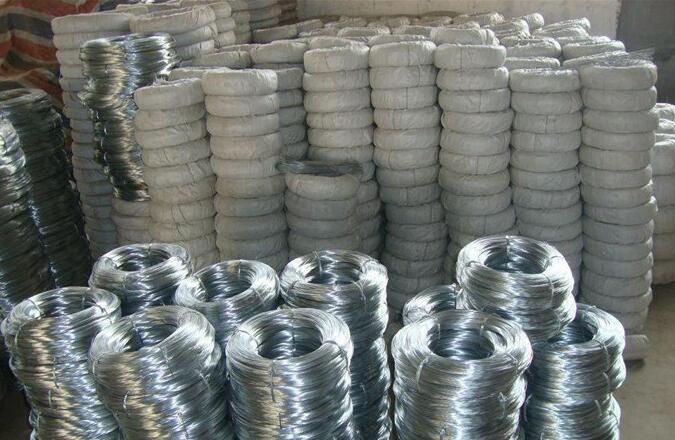
Iron winding wire, typically low carbon steel wire, represents a critical component in a diverse range of industrial applications, notably within transformer and motor manufacturing, solenoid coil production, and various electromagnetic applications. Positioned within the electrical components supply chain, it acts as the foundational conductor upon which electromagnetic functionality is built. Its core performance characteristics center around electrical conductivity, tensile strength, ductility, and the ability to withstand repeated bending and forming without fracturing. The selection of iron winding wire, versus copper or aluminum alternatives, is primarily driven by cost considerations, although magnetic properties and specific application requirements also play a significant role. The primary challenge facing engineers utilizing iron winding wire lies in balancing cost-effectiveness with maintaining acceptable levels of performance and ensuring long-term reliability, especially in environments prone to corrosion or high thermal stress.
Material Science & Manufacturing
The primary raw material for iron winding wire is low carbon steel, typically containing between 0.05% and 0.25% carbon. The lower carbon content imparts greater ductility and weldability, critical for the winding process. Trace elements like manganese, silicon, and phosphorus are often present to improve mechanical properties. The manufacturing process begins with hot rolling steel billets into wire rod. This wire rod then undergoes a series of drawing operations – pulling the wire through progressively smaller dies – to achieve the desired diameter. Critical parameters during drawing include die angle, drawing speed, and lubrication. Lubrication, typically a metallic soap or phosphate coating, reduces friction and die wear, maintaining wire surface quality. Following drawing, the wire often undergoes annealing to relieve internal stresses induced by the drawing process, enhancing its ductility. Galvanization, using a hot-dip process, is a common treatment to provide corrosion resistance. The thickness and uniformity of the zinc coating are meticulously controlled to meet specific performance standards. Quality control at each stage involves dimensional checks, tensile testing, and surface inspection to identify and reject defective material. Surface imperfections, such as scratches or die marks, can act as stress concentrators leading to premature failure.
Performance & Engineering
The performance of iron winding wire is fundamentally dictated by its mechanical and electrical properties under operational stress. Force analysis involves assessing the tensile stress generated during winding and the compressive stresses during coil compaction. The wire must exhibit sufficient tensile strength to withstand the winding tension without elongation or breakage. Ductility is equally important, allowing the wire to conform to the coil’s geometry without cracking. Electrical resistance is a critical parameter, influencing energy loss in the coil as heat (I²R losses). While iron has a higher resistivity than copper, it is acceptable for applications where cost is a primary driver and efficiency losses are tolerable. Environmental resistance, particularly corrosion protection, is crucial. The galvanization process provides a sacrificial barrier against corrosion, but the longevity of this protection is dependent on the zinc coating thickness and the operating environment. Compliance requirements, dictated by standards like UL (Underwriters Laboratories) and IEC (International Electrotechnical Commission), specify insulation requirements, flammability testing, and safety standards for electrical components. Proper insulation selection and application are paramount to prevent short circuits and ensure operational safety. Furthermore, the wire’s ability to withstand temperature cycling without significant changes in its electrical or mechanical properties is a key engineering consideration.
Technical Specifications
| Diameter (mm) | Tensile Strength (MPa) | Electrical Resistivity (Ω·m) | Zinc Coating Thickness (μm) |
|---|---|---|---|
| 0.50 | 350-450 | 1.0 x 10⁻⁷ | 5-10 |
| 0.80 | 300-400 | 1.1 x 10⁻⁷ | 8-15 |
| 1.00 | 280-380 | 1.2 x 10⁻⁷ | 10-20 |
| 1.20 | 250-350 | 1.3 x 10⁻⁷ | 12-25 |
| 1.60 | 220-320 | 1.4 x 10⁻⁷ | 15-30 |
| 2.00 | 200-300 | 1.5 x 10⁻⁷ | 20-40 |
Failure Mode & Maintenance
Iron winding wire is susceptible to several failure modes in practical applications. Fatigue cracking, induced by repeated bending during winding and thermal cycling, is a common cause of failure. This typically initiates at surface imperfections or areas of high stress concentration. Corrosion, particularly in humid or corrosive environments, can lead to the degradation of both the wire and the zinc coating, reducing its mechanical strength and increasing its electrical resistance. Delamination of the zinc coating can accelerate corrosion. Oxidation at elevated temperatures can also compromise the wire's integrity. Another failure mode is dielectric breakdown of the insulation, leading to short circuits. Preventative maintenance primarily involves visual inspection for corrosion, cracks, or insulation damage. Regular testing of insulation resistance can detect potential issues before they lead to catastrophic failure. In harsh environments, applying a protective coating over the galvanized wire can enhance its corrosion resistance. For critical applications, periodic replacement of the wire is recommended based on the operating conditions and expected lifespan. Proper storage of the wire in a dry, climate-controlled environment is essential to prevent premature corrosion.
Industry FAQ
Q: What is the impact of annealing on the mechanical properties of iron winding wire?
A: Annealing significantly improves the ductility of iron winding wire. The drawing process introduces work hardening, making the wire brittle and prone to cracking during winding. Annealing relieves these internal stresses, restoring the wire’s ductility and allowing it to be easily formed without fracturing. However, annealing can slightly reduce tensile strength, so a balance must be achieved based on the application requirements.
Q: How does the zinc coating thickness affect the corrosion resistance?
A: The corrosion resistance is directly proportional to the zinc coating thickness. A thicker coating provides a greater sacrificial barrier against corrosion, extending the lifespan of the wire in harsh environments. However, excessively thick coatings can be brittle and prone to cracking, diminishing their protective effect. Standards dictate minimum acceptable coating thicknesses for specific applications.
Q: What are the common causes of dielectric breakdown in insulated iron winding wire?
A: Common causes include mechanical damage to the insulation during winding or handling, exposure to excessive voltage, contamination of the insulation with moisture or chemicals, and thermal degradation of the insulation material over time. Proper insulation selection, careful handling, and maintaining a clean operating environment are critical to prevent dielectric breakdown.
Q: Can iron winding wire be used in high-frequency applications?
A: While possible, iron winding wire is generally not ideal for high-frequency applications due to its relatively high electrical resistivity and resulting eddy current losses. Copper wire is preferred in these cases due to its superior conductivity. The skin effect, which concentrates current flow near the surface of the conductor at high frequencies, further exacerbates the losses in iron wire.
Q: What are the advantages and disadvantages of using iron winding wire compared to copper?
A: The primary advantage of iron winding wire is its significantly lower cost compared to copper. However, it has a higher electrical resistivity, leading to greater energy losses, and a lower tensile strength and conductivity. Copper offers superior electrical and mechanical properties but at a higher price point. The choice depends on balancing cost constraints with performance requirements.
Conclusion
Iron winding wire remains a vital component in numerous industrial applications, predominantly driven by its cost-effectiveness. The material science and manufacturing processes are crucial in achieving the required balance between mechanical strength, ductility, and corrosion resistance. Careful consideration of performance parameters, including tensile stress, electrical resistivity, and environmental factors, is essential for ensuring long-term reliability and preventing premature failure.
Future trends are focused on enhancing the corrosion resistance of iron winding wire through advanced coating technologies and optimizing the annealing process to maximize ductility without sacrificing strength. Furthermore, research into novel alloy compositions could potentially improve the electrical conductivity of iron wire, making it more competitive with copper in certain applications. Understanding and adhering to relevant international standards is paramount for ensuring product safety and performance.