



Introduction
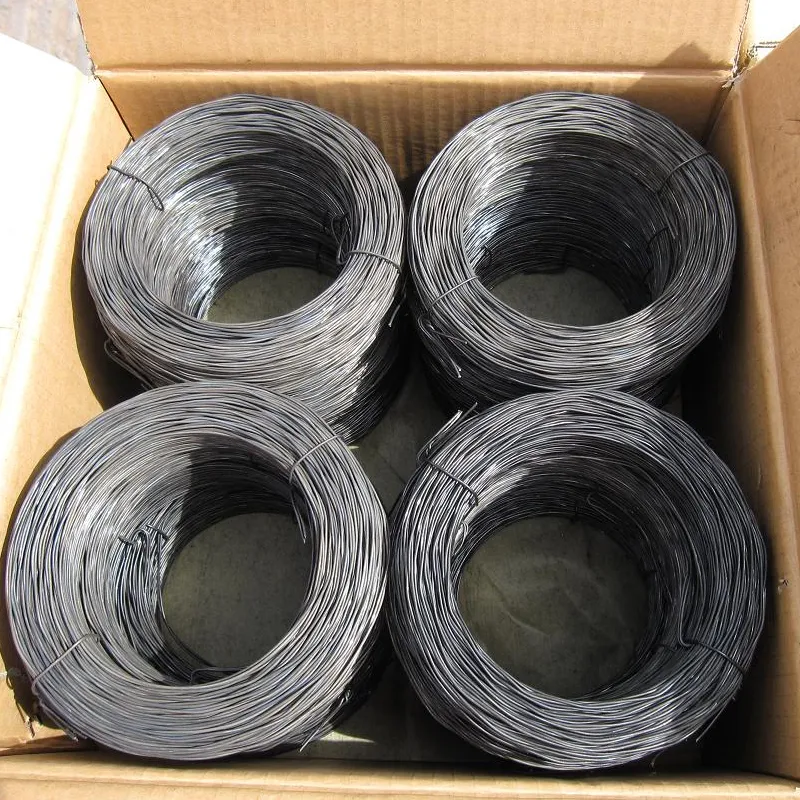
Iron wire for construction constitutes a fundamental component in a diverse range of civil engineering and building applications. This guide details the material science, manufacturing processes, performance characteristics, failure modes, and maintenance protocols associated with low-carbon steel wire specifically utilized within the construction sector. Its primary function is to provide tensile strength and support in applications such as concrete reinforcement (rebar tying wire), fencing, mesh, gabions, and pre-stressed concrete. Unlike higher-carbon steel wires used for more specialized applications, construction-grade iron wire prioritizes ductility and formability over ultimate tensile strength, focusing on reliable performance under sustained loads and resistance to corrosion. The inherent cost-effectiveness of iron wire makes it a preferred material in projects where high-strength alloys are not essential, offering a viable balance between performance and economy. The industry faces challenges concerning consistent weld quality, long-term corrosion protection, and increasingly stringent environmental regulations regarding zinc coatings.
Material Science & Manufacturing
Construction iron wire is predominantly produced from low-carbon steel (typically 0.05% to 0.25% carbon content). The raw material is typically hot-rolled steel rod, which undergoes several processing stages. The initial step involves pickling, a process utilizing hydrochloric or sulfuric acid to remove mill scale (iron oxides formed during hot rolling). Following pickling, the steel rod is drawn through a series of dies to reduce its diameter and increase its length, a process known as wire drawing. Lubricants, frequently based on sodium stearate or calcium stearate, are crucial during wire drawing to reduce friction and prevent die wear. The wire is then annealed, a heat treatment process that relieves internal stresses induced by the drawing process, improving ductility and formability. Common annealing atmospheres include nitrogen or controlled gas mixtures to prevent oxidation. For corrosion resistance, the wire is often galvanized, either through hot-dip galvanizing (immersing in molten zinc) or electrogalvanizing. Hot-dip galvanizing provides a thicker, more durable coating but can result in a less uniform finish. Electrogalvanizing offers a smoother, more controlled coating thickness. The final step often includes spooling or packaging for transport and use. Key parameters monitored during manufacturing include tensile strength, elongation percentage, surface finish, and zinc coating thickness. Chemical composition is controlled via spectrometry during raw material inspection and periodic checks throughout the process.
Performance & Engineering
The performance of iron wire in construction is primarily dictated by its tensile strength, ductility, and corrosion resistance. Tensile strength dictates the load the wire can withstand before yielding or breaking, crucial for applications like rebar tying where it must maintain integrity under stress. Ductility, measured by elongation percentage, determines the wire's ability to deform plastically before fracture, preventing brittle failure. Corrosion resistance, influenced by the galvanizing process, determines the wire’s longevity in harsh environmental conditions. Engineering calculations for wire loading typically utilize Hooke's Law (stress is proportional to strain) within the elastic limit of the steel. However, in construction applications, a safety factor is always applied to account for dynamic loads, environmental factors, and potential material defects. Furthermore, the performance of galvanized coatings is governed by the rate of zinc corrosion, influenced by factors such as humidity, salt spray exposure, and the presence of acidic pollutants. Compliance with relevant standards (e.g., ASTM A824 for galvanized steel wire) is critical to ensure structural integrity and safety. The wire’s performance can also be affected by the formation of white rust (zinc hydroxide) if not properly stored and handled.
Technical Specifications
| Parameter | Unit | Typical Value (BWG 8 Gauge) | Testing Standard |
|---|---|---|---|
| Tensile Strength | MPa | 380-550 | ASTM A824 |
| Elongation | % | 15-25 | ASTM A824 |
| Diameter | mm | 4.00 | ASTM A938 |
| Zinc Coating Weight (Hot-Dip Galvanized) | g/m2 | 60-80 | ASTM A646 |
| Zinc Coating Weight (Electrogalvanized) | g/m2 | 20-40 | ASTM B695 |
| Carbon Content | % | 0.05-0.25 | ASTM E415 |
Failure Mode & Maintenance
Common failure modes for iron wire in construction include corrosion-induced fracture, hydrogen embrittlement, fatigue cracking, and mechanical damage during handling. Corrosion is the most prevalent failure mechanism, particularly in marine or industrial environments. The zinc coating provides sacrificial protection, corroding preferentially to the steel substrate. However, once the zinc is depleted, the steel is vulnerable to rust. Hydrogen embrittlement can occur during electrogalvanizing if proper post-treatment is not employed, leading to premature cracking under tensile stress. Fatigue cracking can occur in applications subjected to cyclical loading, such as ties subjected to vibration or movement. Mechanical damage, such as cuts or abrasions to the wire, can compromise its integrity and accelerate corrosion. Maintenance primarily involves periodic inspection for signs of corrosion, particularly in high-exposure areas. Damaged wire should be replaced immediately. For extended service life, applying a protective coating (e.g., epoxy or paint) over the galvanized surface can provide an additional barrier against corrosion. Proper storage is also crucial; wire should be stored in a dry, sheltered environment to prevent white rust formation. Avoid bending the wire sharply as this may weaken the structure.
Industry FAQ
Q: What is the difference between hot-dip galvanizing and electrogalvanizing, and which is preferred for construction wire?
A: Hot-dip galvanizing produces a thicker zinc coating with better long-term corrosion resistance, making it generally preferred for applications with severe environmental exposure. However, the coating is often less uniform and can have a rougher surface. Electrogalvanizing provides a smoother, more aesthetically pleasing finish and allows for tighter control over coating thickness, but offers less corrosion protection. For rebar tying wire and fencing, hot-dip galvanizing is more common due to its superior durability, while electrogalvanizing might be chosen for applications where appearance is a concern.
Q: How does the carbon content of the steel wire affect its performance in construction?
A: Lower carbon content (0.05%-0.25%) increases the wire's ductility and formability, allowing it to be easily bent and tied without fracturing. Higher carbon content increases tensile strength but reduces ductility, making it more prone to brittle failure. Construction applications prioritize ductility and reliable performance under sustained loads, so low-carbon steel is the preferred choice.
Q: What are the implications of white rust formation on galvanized wire?
A: White rust (zinc hydroxide) is a corrosion product that forms on galvanized surfaces exposed to moisture and air. While it doesn’t immediately compromise the structural integrity, it indicates that the zinc coating is being consumed. White rust accelerates corrosion and can eventually lead to the failure of the wire. Proper storage and handling, including keeping the wire dry and protected from the elements, are crucial to prevent its formation.
Q: What safety factors should be considered when calculating the load-bearing capacity of iron wire used for structural support?
A: A minimum safety factor of 2.5 is generally recommended for static loads, and higher factors (3.0-4.0) should be applied for dynamic loads or applications subject to vibration or impact. The safety factor accounts for uncertainties in material properties, loading conditions, and potential environmental factors.
Q: Are there any environmentally friendly alternatives to traditional zinc galvanizing?
A: Alternatives like zinc-aluminum coatings (Galvalume) and organic coatings are gaining traction. Zinc-aluminum alloys offer improved corrosion resistance and are more environmentally benign than some traditional galvanizing processes. Organic coatings, such as epoxy-based paints, provide a barrier against corrosion but require careful surface preparation and application. Research is also ongoing into the use of more sustainable corrosion inhibitors and coating technologies.
Conclusion
Iron wire remains a vital, cost-effective material in the construction industry, providing essential tensile support in numerous applications. Its performance is fundamentally linked to material composition, manufacturing processes—particularly galvanizing—and proper installation and maintenance. Understanding the potential failure modes, such as corrosion and fatigue, is critical for ensuring long-term structural integrity.
As construction practices evolve and environmental concerns grow, ongoing research and development focused on more sustainable coating technologies and improved wire designs will be crucial for maximizing the lifespan and minimizing the environmental impact of this ubiquitous construction material. Adherence to established industry standards is paramount for maintaining quality control and ensuring safety.