



Introduction
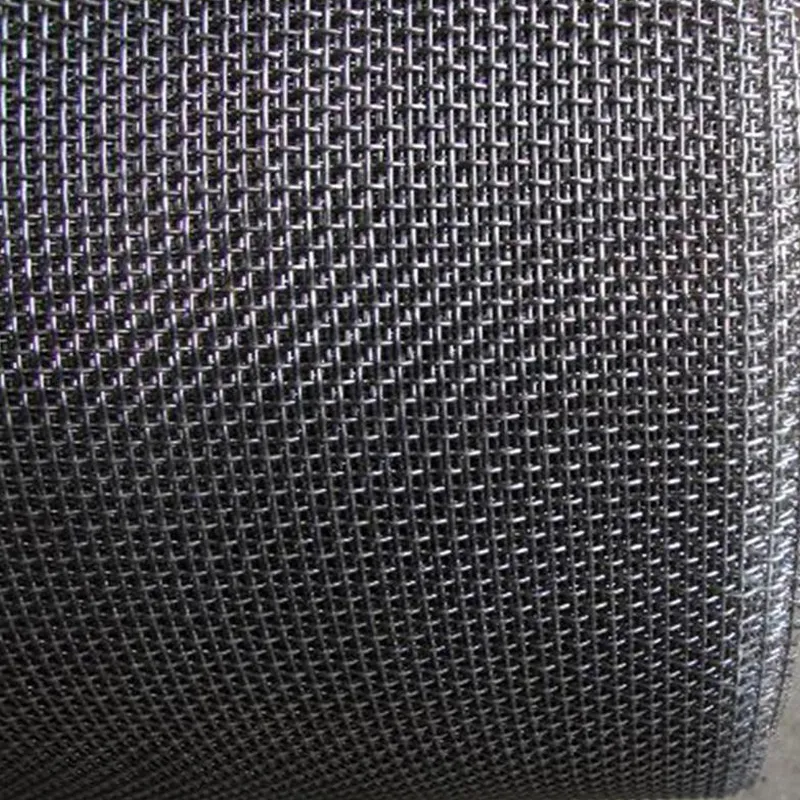
Iron wire, fundamentally a ferrous metal product, occupies a critical position within the broader materials supply chain. It serves as a foundational component in numerous industrial applications, ranging from construction and agriculture to electrical engineering and manufacturing. Its versatility stems from its malleability, tensile strength, and relatively low cost. Different grades of iron wire are defined by their carbon content and manufacturing processes, influencing their specific mechanical properties and suitability for diverse end-uses. This guide provides an in-depth exploration of iron wire, encompassing its material science, manufacturing techniques, performance characteristics, failure modes, and relevant industry standards. A core pain point for procurement and engineering professionals lies in selecting the appropriate grade and treatment of iron wire to withstand specific environmental conditions and mechanical stresses, optimizing lifespan and minimizing failure rates. Furthermore, understanding the nuances of coating technologies and corrosion prevention is crucial for applications where durability is paramount.
Material Science & Manufacturing
Iron wire is predominantly manufactured from low-carbon steel, typically containing less than 0.08% carbon. The primary raw material is wrought iron or mild steel billets. The iron content dictates the wire’s ductility and weldability, while trace elements such as manganese, silicon, and phosphorus influence its strength and hardness. The manufacturing process typically begins with hot rolling of the billet into a wire rod. This rod is then subjected to drawing – a process where the rod is pulled through a series of progressively smaller dies, reducing its diameter and increasing its tensile strength. Lubrication is critical during drawing to reduce friction and prevent die wear. Annealing, a heat treatment process, is often employed between drawing passes to restore ductility and prevent work hardening. Coating processes, such as galvanization (zinc coating), electroplating (nickel, copper), or polymer coating (PVC, PE), are applied to enhance corrosion resistance and provide additional functionalities. Critical parameters in manufacturing include die profile, drawing speed, lubrication type and concentration, annealing temperature, and coating thickness. Precise control of these parameters is essential to achieving consistent wire dimensions, mechanical properties, and coating adhesion. The metallurgical structure is characterized by a ferrite-pearlite microstructure, with the proportion of each phase determined by carbon content and heat treatment.
Performance & Engineering
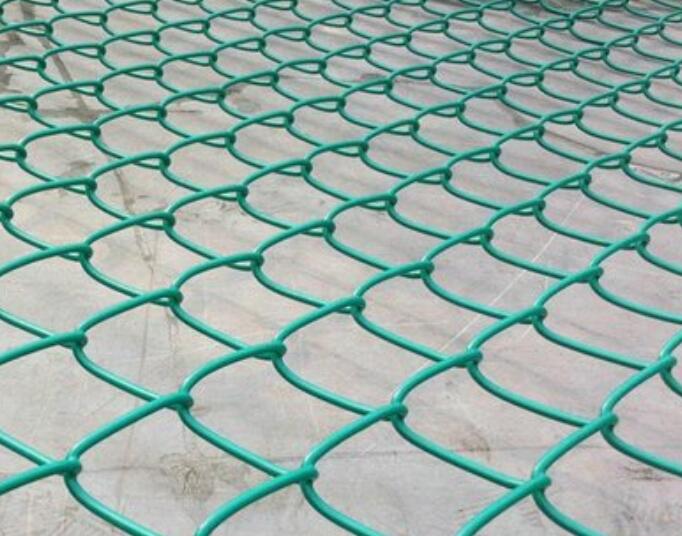
The performance of iron wire is heavily reliant on its tensile strength, yield strength, elongation, and corrosion resistance. Tensile strength, measured in megapascals (MPa), represents the maximum stress the wire can withstand before breaking. Yield strength indicates the stress at which permanent deformation begins. Elongation, expressed as a percentage, signifies the wire’s ductility. Engineering analysis often involves calculating the load-bearing capacity of wire structures, utilizing principles of stress and strain. The Euler buckling formula is frequently applied to determine the critical buckling load for wire supports. Environmental resistance is a key consideration, particularly in outdoor applications. Iron is susceptible to oxidation (rusting) in the presence of moisture and oxygen. Galvanization, employing a zinc sacrificial coating, effectively mitigates corrosion by preferentially corroding before the iron substrate. The effectiveness of galvanization is quantified by coating thickness and adherence. Compliance requirements vary depending on the application. For example, wire used in fencing may need to meet specific gauge and tensile strength standards dictated by local building codes. Electrical conductivity is also a performance characteristic of iron wire, particularly in applications involving grounding or electrical connections. The resistance of iron wire is determined by its length, cross-sectional area, and material purity.
Technical Specifications
| Wire Gauge (AWG) | Tensile Strength (MPa) | Zinc Coating Thickness (µm) | Elongation at Break (%) |
|---|---|---|---|
| 12 | 483 | 50 | 25 |
| 14 | 336 | 40 | 20 |
| 16 | 224 | 30 | 15 |
| 18 | 168 | 25 | 10 |
| 20 | 112 | 20 | 8 |
| 22 | 75 | 15 | 6 |
Failure Mode & Maintenance
Iron wire is susceptible to several failure modes, primarily related to corrosion, mechanical fatigue, and overload. Corrosion, as previously discussed, results in the degradation of the iron substrate, reducing its cross-sectional area and ultimately leading to fracture. Pitting corrosion, localized attack caused by imperfections in the coating, is particularly detrimental. Mechanical fatigue occurs due to repeated cyclic loading, leading to crack initiation and propagation. Stress concentrations at bends or discontinuities accelerate fatigue failure. Overload, exceeding the wire’s tensile strength, results in immediate fracture. Hydrogen embrittlement, a less common but significant failure mode, can occur in high-strength wire exposed to hydrogen-containing environments. Maintenance strategies focus on preventing corrosion and mitigating mechanical stress. Regular inspection for signs of rust or damage is crucial. Applying protective coatings, such as paint or sealant, can extend the wire’s lifespan. For heavily loaded applications, periodic stress relief may be necessary. In galvanized wire, maintaining the integrity of the zinc coating is paramount. Damaged coatings should be repaired promptly. Proper storage, avoiding exposure to moisture and corrosive substances, is essential for preventing premature failure.
Industry FAQ
Q: What is the impact of carbon content on the mechanical properties of iron wire?
A: Increasing carbon content generally increases tensile strength and hardness but reduces ductility and weldability. Low-carbon steel, typically used for iron wire, provides a balance between strength and ductility, making it suitable for applications requiring bending and forming. Higher carbon content wires are used when superior strength is required, but they become more brittle and prone to cracking.
Q: How does galvanization protect iron wire from corrosion?
A: Galvanization utilizes a zinc coating that acts as a sacrificial anode. Zinc corrodes preferentially to iron, protecting the underlying metal even if the coating is scratched or damaged. This process, known as galvanic protection, effectively slows down the corrosion rate of the iron wire.
Q: What is the significance of wire gauge in selecting the appropriate iron wire?
A: Wire gauge (AWG) is directly related to the wire’s diameter and cross-sectional area. Lower gauge numbers correspond to thicker wires with greater strength and load-bearing capacity. Selecting the correct gauge is critical to ensuring the wire can withstand the anticipated stresses without failure.
Q: What are the common causes of fatigue failure in iron wire?
A: Fatigue failure is typically caused by repeated cyclic loading, even at stress levels below the wire’s tensile strength. Stress concentrations at bends, sharp edges, or surface imperfections accelerate crack initiation and propagation. Vibration and dynamic loading also contribute to fatigue failure.
Q: What are the environmental considerations when choosing a coating for iron wire?
A: The operating environment significantly influences the choice of coating. For marine or highly corrosive environments, thicker galvanization or alternative coatings like epoxy or polymer coatings may be necessary. Temperature extremes and UV exposure also impact coating performance. Consideration must also be given to any chemical exposure the wire might experience.
Conclusion
Iron wire, despite its seemingly simple composition, represents a crucial engineering material with a complex interplay of metallurgical properties, manufacturing processes, and performance characteristics. The selection of appropriate wire gauge, coating type, and manufacturing controls is essential for optimizing its lifespan and ensuring reliable performance in diverse applications. Understanding the potential failure modes—corrosion, fatigue, and overload—is paramount for implementing effective maintenance strategies and preventing catastrophic failures.
Future advancements in iron wire technology are likely to focus on developing more durable coatings, optimizing manufacturing processes to enhance mechanical properties, and utilizing advanced monitoring techniques to detect early signs of corrosion or fatigue. Further research into hydrogen embrittlement and mitigation strategies will also be critical, particularly for high-strength wire applications. A continued emphasis on adherence to relevant international standards will be crucial for maintaining quality control and ensuring the safety and reliability of iron wire products.