



Introduction
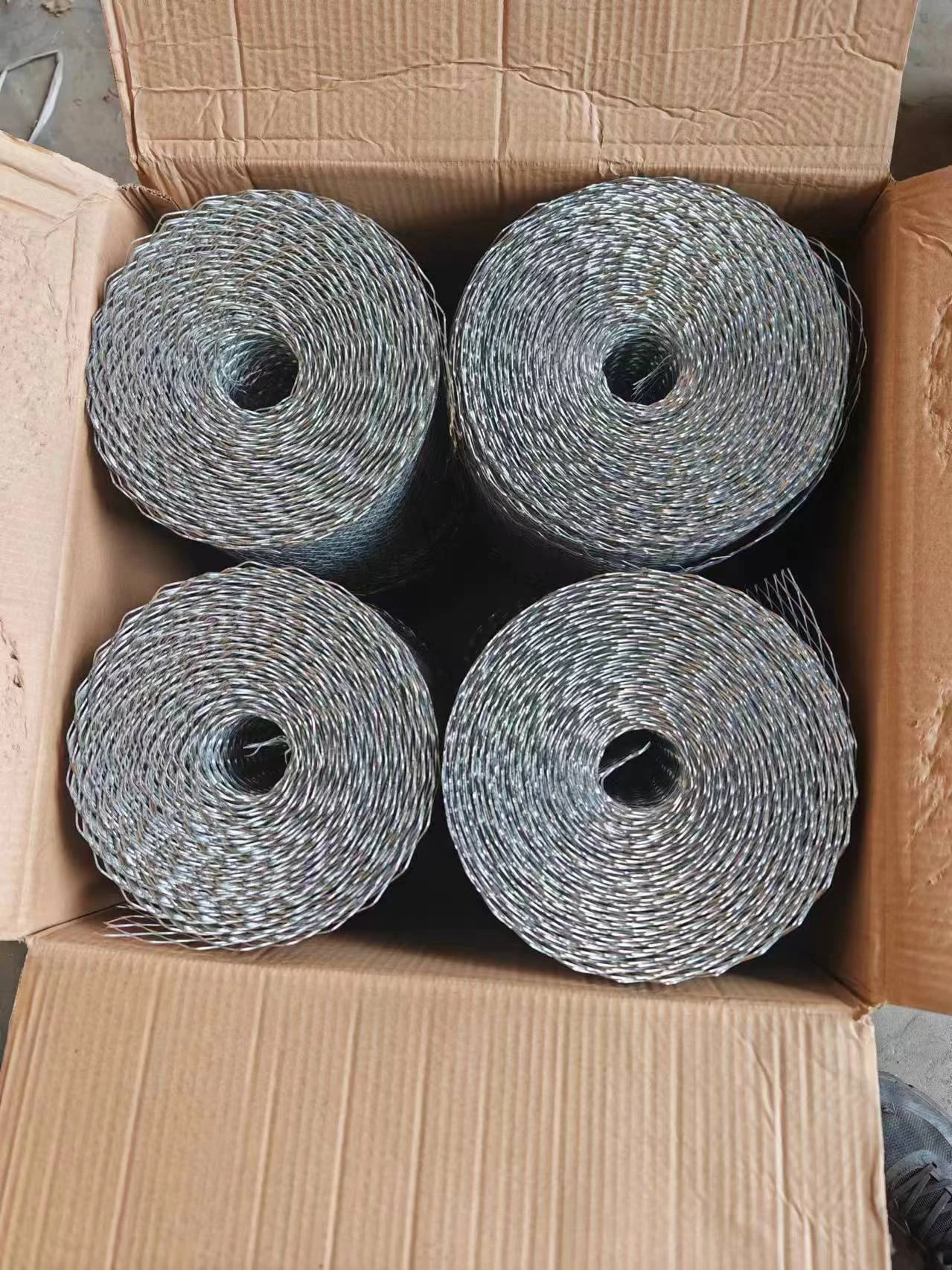
Iron wire, a fundamental material in numerous industrial applications, represents a significant segment of the metallic materials market. This guide provides a comprehensive technical overview of iron wire, encompassing its material science, manufacturing processes, performance characteristics, failure modes, and relevant industry standards. Iron wire’s primary position in the value chain is as a precursor material for applications ranging from construction and agriculture to automotive and electrical engineering. Its core performance attributes – tensile strength, ductility, corrosion resistance (dependent on coatings), and electrical conductivity – dictate its suitability for specific roles. The industry currently faces challenges regarding consistent quality control, sustainable sourcing of raw materials, and optimizing wire diameter tolerances to meet increasingly demanding application requirements. This guide aims to address these pain points with in-depth technical analysis.
Material Science & Manufacturing
The dominant raw material for iron wire is low-carbon steel, typically containing 0.05% to 0.25% carbon. The carbon content significantly impacts hardness and ductility; higher carbon content increases hardness but reduces ductility. Other alloying elements, such as manganese, silicon, and phosphorus, are added in controlled quantities to modify specific properties. Manganese improves strength and hardenability, silicon enhances strength and magnetic properties, and phosphorus increases strength but can reduce weldability. The manufacturing process begins with hot rolling of steel billets into wire rod. This rod is then subjected to several stages of drawing – reducing the diameter through a series of progressively smaller dies. Drawing is typically performed at room temperature (cold drawing) to increase strength and improve surface finish. Lubricants, such as sodium stearate or phosphate coatings, are crucial during drawing to reduce friction and prevent die wear. Following drawing, the wire undergoes annealing – a heat treatment process to relieve internal stresses induced by cold working and to restore ductility. Precise temperature control during annealing is critical to achieve the desired mechanical properties. Surface treatments, including galvanizing, electroplating, and coating with polymeric materials, are applied to enhance corrosion resistance and provide specific functionalities. Galvanizing, involving a zinc coating, is the most common corrosion protection method.
Performance & Engineering
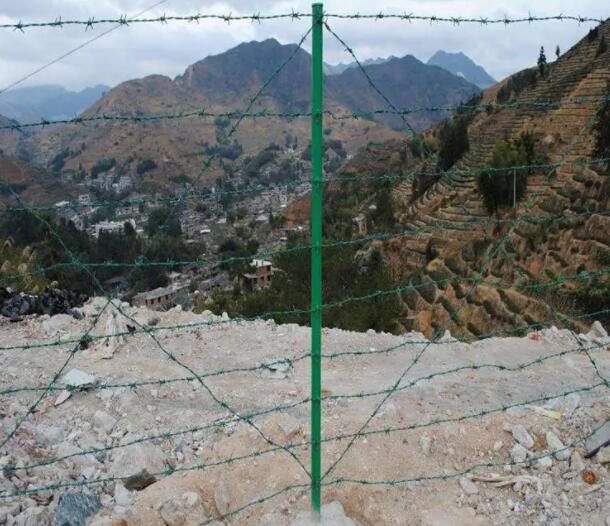
The mechanical performance of iron wire is predominantly characterized by its tensile strength, yield strength, elongation, and Young's modulus. Tensile strength, representing the maximum stress the wire can withstand before breaking, is directly correlated to the carbon content and the degree of cold working. Yield strength defines the point at which permanent deformation begins. Elongation, expressed as a percentage, indicates the wire’s ductility – its ability to stretch before fracturing. Young's modulus describes the wire’s stiffness. Environmental resistance is a key engineering consideration. Iron is susceptible to corrosion in the presence of moisture and oxygen. Galvanizing provides a sacrificial coating, protecting the underlying iron. However, even galvanized wire will eventually corrode, particularly in harsh environments. Coating thickness and the quality of the galvanizing process significantly impact corrosion resistance. Electrical conductivity is another critical parameter, particularly for applications such as fencing and electrical grounding. The conductivity of iron wire is lower than that of copper, but it is sufficient for many applications. The wire’s performance under dynamic loading – such as vibration or repeated bending – must also be considered. Fatigue cracking can occur under cyclical stress, leading to premature failure. Proper design and material selection are essential to mitigate fatigue risks.
Technical Specifications
| Wire Diameter (mm) | Tensile Strength (MPa) | Elongation (%) | Zinc Coating Thickness (µm) |
|---|---|---|---|
| 1.6 | 350-450 | 15-25 | 40-60 |
| 2.0 | 400-500 | 12-20 | 50-70 |
| 2.5 | 450-550 | 10-18 | 60-80 |
| 3.0 | 500-600 | 8-15 | 70-90 |
| 4.0 | 550-650 | 6-12 | 80-100 |
| 5.0 | 600-700 | 5-10 | 90-110 |
Failure Mode & Maintenance
Iron wire is susceptible to several failure modes. Corrosion, as previously discussed, is a primary concern. Rust weakens the wire, reducing its tensile strength and ultimately leading to fracture. Fatigue cracking, induced by repeated stress, can occur even in wires that are not significantly corroded. Hydrogen embrittlement, a phenomenon where hydrogen atoms diffuse into the metal lattice, can also lead to cracking, particularly in high-strength wires. Mechanical damage, such as nicks or cuts, can create stress concentrators, initiating fracture. Overloading – exceeding the wire’s tensile strength – results in immediate failure. Maintenance strategies focus on preventing or mitigating these failure modes. Regular inspection for corrosion and mechanical damage is crucial. Protective coatings should be reapplied as needed. Avoiding excessive bending or twisting of the wire can minimize fatigue risks. In corrosive environments, the use of corrosion-resistant alloys or more robust coatings is recommended. Periodic testing of wire samples can provide early warning of degradation. Proper storage conditions – protecting the wire from moisture and extreme temperatures – can also extend its service life.
Industry FAQ
Q: What is the impact of varying carbon content on the weldability of iron wire?
A: Increasing carbon content generally reduces weldability. Higher carbon levels promote the formation of hard, brittle martensite in the heat-affected zone during welding, increasing the risk of cracking. Low-carbon steel wires are therefore preferred for welding applications or require pre- and post-weld heat treatments to mitigate these effects.
Q: How does the annealing process affect the mechanical properties of drawn iron wire?
A: Annealing relieves internal stresses induced by cold drawing, restoring ductility and reducing brittleness. However, annealing also lowers the yield and tensile strength. The annealing temperature and duration must be carefully controlled to achieve the optimal balance of properties for the intended application.
Q: What are the key considerations when selecting a galvanizing process for iron wire used in coastal environments?
A: In coastal environments, a thicker zinc coating is essential for enhanced corrosion protection. Hot-dip galvanizing typically provides a thicker and more durable coating than electrogalvanizing. Passivation treatments following galvanizing can further improve corrosion resistance by creating a protective layer on the zinc surface.
Q: What are the limitations of using iron wire for high-stress applications compared to high-strength steel wire?
A: Iron wire, particularly low-carbon varieties, generally has lower tensile strength and yield strength compared to high-strength steel wires (e.g., high-carbon steel, alloy steel). For applications requiring exceptional strength, high-strength steel wire is the preferred choice. Iron wire is more suitable for applications where moderate strength and ductility are sufficient.
Q: How do different lubricants used during the wire drawing process affect the final product quality?
A: The choice of lubricant significantly impacts die wear, surface finish, and the wire’s mechanical properties. Sodium stearate is a common lubricant, providing good lubrication and a smooth surface finish. Phosphate coatings offer superior lubrication and corrosion resistance but can be more expensive. Improper lubrication can lead to increased friction, die damage, and surface defects on the wire.
Conclusion
Iron wire remains a critical material across diverse industrial sectors, owing to its cost-effectiveness and versatile properties. Understanding the interplay between material composition, manufacturing processes, and environmental factors is paramount for ensuring optimal performance and longevity. Maintaining stringent quality control throughout the production process, from raw material selection to final coating application, is crucial for meeting the demanding requirements of modern applications.
Future developments in iron wire technology will likely focus on enhancing corrosion resistance through innovative coatings, improving fatigue performance with advanced alloying, and exploring sustainable manufacturing practices to minimize environmental impact. Continued research into the effects of different alloying elements and heat treatment processes will further refine the properties of iron wire, expanding its application potential and addressing emerging industry challenges.