




Introduction
Pure iron wire, defined as wire composed of predominantly iron with minimal alloying elements (typically less than 0.08% carbon), occupies a specific niche within the broader metallic wire industry. It serves as a foundational material in applications demanding high electrical conductivity, magnetic permeability, and malleability, differentiating it from steel wire which incorporates significant carbon content for increased strength. Within the industrial chain, pure iron wire is typically produced via cold drawing of iron rod stock, following initial production through processes like electrolytic iron refining or direct reduction of iron ore. Core performance characteristics revolve around its ductility, corrosion susceptibility, and magnetic properties, making it vital in electrical engineering, welding, and specialized manufacturing processes. A key industry pain point lies in mitigating rapid oxidation, impacting long-term structural integrity and electrical performance.
Material Science & Manufacturing
The primary raw material for pure iron wire is iron ore, processed to achieve a high degree of purity. Electrolytic iron (E-iron) is frequently used, boasting 99.99% iron content, minimizing impurities like silicon, manganese, phosphorus, and sulfur. The manufacturing process commences with the melting of E-iron under a protective atmosphere (argon or vacuum) to prevent oxidation. This molten iron is then cast into rod stock. Crucially, precise temperature control during melting (around 1538°C, the melting point of iron) is vital to avoid carbide formation from trace carbon. Subsequent hot rolling refines the rod’s structure, followed by pickling in dilute hydrochloric acid to remove mill scale. The core of production lies in cold drawing: the iron rod is pulled through a series of progressively smaller dies. Each drawing pass increases tensile strength and refines the wire diameter. Annealing between drawing stages (typically at 650-700°C) restores ductility and prevents work hardening. Key parameters monitored include die lubrication (essential to minimize friction and die wear), drawing speed (influences grain structure), and annealing temperature (governs ductility and strength). The final product is often coated with a protective lacquer or galvanized to retard corrosion.
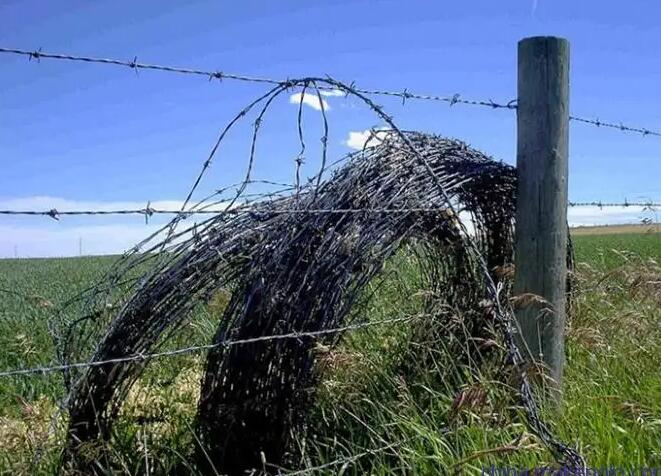
Performance & Engineering
The mechanical performance of pure iron wire is fundamentally governed by its ductility and tensile strength. Tensile strength typically ranges from 250-400 MPa, significantly lower than that of steel wire but sufficient for applications prioritizing formability. Force analysis reveals a relatively linear stress-strain curve up to the point of necking, indicative of its ductile behavior. Environmental resistance is a critical concern. Pure iron readily corrodes in the presence of moisture and oxygen, forming iron oxides (rust). Corrosion rate is accelerated by the presence of electrolytes (salts, acids). Engineering designs must account for this corrosion, employing protective coatings or specifying indoor applications. Regarding compliance, pure iron wire used in electrical applications must adhere to standards dictating conductivity and insulation properties. In welding applications, the wire’s purity dictates weld quality and arc stability, necessitating adherence to specific chemical composition requirements. Magnetic permeability is also a key performance metric, crucial in electromagnetic applications, requiring stringent control of crystalline structure and impurity levels to maximize magnetic flux density.
Technical Specifications
| Diameter (mm) | Tensile Strength (MPa) | Electrical Conductivity (%IACS) | Elongation (%) |
|---|---|---|---|
| 0.5 | 280 | 97 | 45 |
| 1.0 | 320 | 98 | 40 |
| 1.5 | 350 | 96 | 35 |
| 2.0 | 380 | 95 | 30 |
| 2.5 | 400 | 94 | 25 |
| 3.0 | 390 | 93 | 20 |
Failure Mode & Maintenance
Pure iron wire is susceptible to several failure modes. Corrosion is the most prevalent, leading to a reduction in cross-sectional area and eventual fracture. This manifests as pitting corrosion or uniform thinning, accelerated in humid environments. Fatigue cracking can occur under cyclic loading, especially at stress concentration points (bends, kinks). This involves crack initiation and propagation driven by repeated stress cycles. Hydrogen embrittlement, although less common, can occur in corrosive environments, reducing ductility and promoting brittle fracture. Oxidation at elevated temperatures causes scaling, affecting surface integrity and potentially reducing conductivity. Maintenance primarily revolves around corrosion prevention. Regular inspection for signs of rust is crucial. Protective coatings (galvanization, lacquer, epoxy) should be reapplied as needed. For applications involving mechanical stress, periodic fatigue testing or non-destructive evaluation (NDE) techniques like ultrasonic testing can detect early-stage cracks. Storage should be in a dry, well-ventilated environment to minimize corrosion. Wire subjected to bending or forming should be annealed to relieve residual stresses and enhance ductility.
Industry FAQ
Q: What is the primary difference between pure iron wire and low-carbon steel wire regarding corrosion resistance?
A: While both are susceptible to corrosion, pure iron generally exhibits a faster corrosion rate than low-carbon steel. The small amount of carbon in steel forms iron carbide (Fe3C), which provides some localized corrosion resistance. Pure iron lacks this protective carbide phase and readily oxidizes. However, the corrosion product of pure iron, while faster forming, is often less adherent than that of steel, potentially slowing down further corrosion in certain environments.
Q: How does the manufacturing process impact the electrical conductivity of pure iron wire?
A: The cold drawing process, while increasing tensile strength, can introduce residual stresses and dislocations into the wire’s crystal structure. These imperfections slightly reduce electrical conductivity. Annealing after each drawing stage minimizes these defects and maximizes conductivity. The presence of impurities, even in trace amounts, also decreases conductivity. Therefore, using high-purity iron as the starting material and controlling the annealing process are crucial.
Q: Is pure iron wire suitable for outdoor applications without additional protection?
A: Generally, no. Pure iron wire is not suitable for prolonged outdoor exposure without significant corrosion protection. Its high reactivity with oxygen and moisture leads to rapid rusting and loss of structural integrity. Galvanization, epoxy coatings, or other suitable protective layers are essential for outdoor use. Even with coatings, regular inspection and maintenance are required.
Q: What are the typical applications where the magnetic properties of pure iron wire are specifically leveraged?
A: Pure iron wire’s high magnetic permeability makes it ideal for applications like transformer cores, electromagnetic shielding, and magnetic sensors. It’s frequently used in the fabrication of electromagnets where a strong magnetic field is required. The purity of the iron is critical; even small amounts of impurities can significantly reduce magnetic performance.
Q: What are the limitations of using pure iron wire in high-stress welding applications?
A: Pure iron wire’s lower tensile strength compared to steel alloys limits its applicability in high-stress welding. It’s primarily used as a welding electrode core for specific applications where a minimal alloy content is required. The lower strength necessitates larger weld sizes and may compromise the overall structural integrity of the weldment if not properly designed for.
Conclusion
Pure iron wire, despite its relatively low mechanical strength, remains a vital material in various specialized applications due to its superior electrical conductivity, magnetic permeability, and ductility. Understanding its susceptibility to corrosion, manufacturing nuances, and performance limitations is paramount for successful implementation. Careful material selection, proper surface treatment, and diligent maintenance are essential to mitigate failure modes and ensure long-term reliability.
Future advancements in corrosion-resistant coatings and alloy refinement could broaden the application scope of pure iron wire, potentially enabling its use in more demanding environments. Continued research into optimizing the cold drawing process to minimize defects and maximize conductivity will further enhance its performance characteristics. As demand for high-permeability materials in emerging technologies like electric vehicles and renewable energy systems increases, the role of pure iron wire is likely to become even more significant.