



Introduction
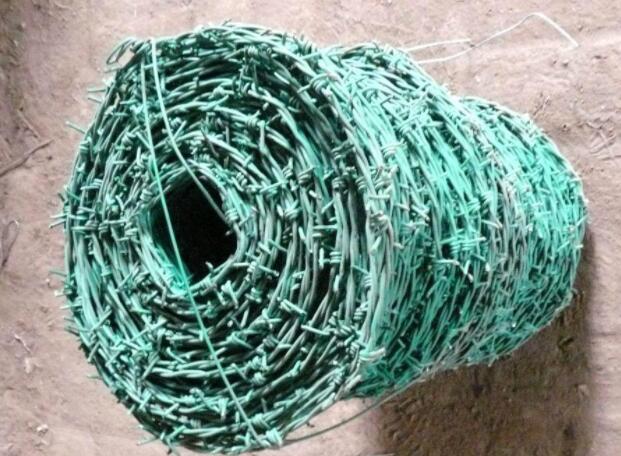
PVC coated iron wire is a versatile material utilized extensively across agricultural, industrial, and domestic applications. It comprises a low-carbon steel core providing tensile strength, encased in a polyvinyl chloride (PVC) coating that delivers corrosion resistance, electrical insulation, and aesthetic appeal. Positioned within the broader wire products industry, its technical relevance stems from offering a cost-effective alternative to stainless steel or galvanized wire in environments where absolute corrosion resistance isn’t critical, but long-term durability is desired. Core performance characteristics include flexibility, weather resistance, and a predictable lifespan dependent on PVC formulation and environmental exposure. It serves as a fundamental building block in fencing, crafting, binding, and various specialized applications, influencing downstream product quality and lifespan. The primary pain point for industry users centers around balancing cost with the required level of PVC protection and the wire's ability to withstand specific environmental stressors like UV exposure and chemical abrasion.
Material Science & Manufacturing
The fundamental materials are low-carbon steel wire (typically SAE 1008 or similar, with a tensile strength of 350-500 MPa) and polyvinyl chloride (PVC) resin. The steel wire’s metallurgical structure, primarily ferrite-pearlite, dictates its ductility and formability. PVC resin selection is crucial; formulations can include plasticizers (DINP, DOP), stabilizers (calcium-zinc, lead-based - although lead is increasingly restricted due to environmental concerns), lubricants, and pigments. The manufacturing process generally involves several stages. Firstly, the steel wire is cleaned and pre-treated to ensure adhesion of the PVC coating – often through pickling to remove surface oxides. Next, the wire is passed through an extruder where molten PVC is applied via a continuous extrusion process. Die design critically impacts coating thickness and uniformity. Critical parameters during extrusion include barrel temperature (180-220°C), screw speed (30-60 RPM), and pull speed (directly affecting coating coverage). Cooling is typically achieved using water baths to solidify the PVC layer. Subsequent quality control assesses coating thickness (using non-destructive testing such as eddy current methods), adhesion (pull-off tests), and uniformity. The final stage often involves winding the wire onto spools for ease of transport and use. Chemical compatibility between the PVC resin and the chosen plasticizers and stabilizers dictates the long-term flexibility and UV resistance of the coating; improper formulation can lead to plasticizer migration and embrittlement.
Performance & Engineering
Performance of PVC coated iron wire is fundamentally governed by the mechanical properties of both the steel core and the PVC coating, and their interaction. The steel core resists tensile forces, while the PVC coating protects against corrosion and provides electrical insulation. Force analysis during applications like fencing requires consideration of wind load, impact resistance, and the wire’s capacity to withstand sustained tension. Environmental resistance is paramount; UV exposure degrades PVC, causing discoloration, cracking, and loss of flexibility. The inclusion of UV stabilizers (such as hindered amine light stabilizers – HALS) in the PVC formulation mitigates this degradation. Chemical resistance varies significantly depending on the PVC formulation. Exposure to strong acids, bases, and certain solvents can cause swelling, dissolution, or cracking of the PVC. Compliance requirements depend on the intended application. For agricultural fencing, standards related to electrical conductivity (for electric fences) and tensile strength may apply. In construction applications, fire resistance (flammability) and electrical safety standards are critical. The coating thickness directly correlates with corrosion protection; thicker coatings offer longer lifespans in harsh environments. Engineering considerations also include the wire’s flexibility – a highly flexible wire is easier to handle and conform to irregular surfaces, but may have reduced tensile strength compared to a stiffer wire. Galvanic corrosion is not generally a concern with PVC coated steel, as the PVC acts as a complete barrier.
Technical Specifications
| Parameter | Unit | Typical Value | Test Method |
|---|---|---|---|
| Wire Diameter (Steel Core) | mm | 0.8 – 4.0 | Micrometer |
| PVC Coating Thickness | µm | 30 – 100 | Microscopic Measurement |
| Tensile Strength (Steel Core) | MPa | 350 – 500 | ASTM A228 |
| Elongation at Break (Steel Core) | % | 15 – 25 | ASTM A228 |
| Adhesion of Coating | N/mm | >5 | ASTM D1002 (Pull-Off Test) |
| Impact Resistance | J | >4 | ASTM D256 |
| UV Resistance (Accelerated Weathering) | % Retention of Tensile Strength after 1000 hrs | >70 | ASTM G154 |
Failure Mode & Maintenance
PVC coated iron wire is susceptible to several failure modes. Fatigue cracking can occur under cyclical loading, particularly at points of bending or stress concentration. Delamination of the PVC coating from the steel core is a common failure, often initiated by poor adhesion during manufacturing, impact damage, or prolonged UV exposure. Degradation of the PVC itself, leading to embrittlement and cracking, is accelerated by UV radiation, extreme temperatures, and chemical exposure. Oxidation of the steel core can occur if the PVC coating is compromised, leading to corrosion. Chloride-induced corrosion is particularly aggressive in marine environments. Failure analysis should focus on identifying the root cause – is it a material defect, a manufacturing flaw, or environmental exposure? Maintenance is largely preventative. Regular inspection for coating damage is crucial. If damage is detected, damaged sections should be repaired with a compatible PVC coating or, if the damage is extensive, the wire should be replaced. Avoid exposing the wire to harsh chemicals unless it is specifically formulated for that purpose. Proper storage – protected from direct sunlight and extreme temperatures – extends the wire’s lifespan. Periodic cleaning to remove dirt and debris can also help to prevent premature degradation. Proper handling during installation and use will prevent mechanical damage.
Industry FAQ
Q: What is the impact of different PVC plasticizers on the long-term performance of the coating?
A: The choice of plasticizer significantly affects flexibility, low-temperature performance, and resistance to UV degradation. Phthalate plasticizers (like DOP) offer good performance but face increasing regulatory scrutiny due to health concerns. DINP is a common alternative but may have lower UV resistance. Bio-based plasticizers are emerging as a sustainable option, but their long-term durability is still under investigation. Plasticizer migration over time can lead to embrittlement, reducing coating flexibility and protective capabilities.
Q: How does the gauge (diameter) of the steel core affect the overall strength and cost-effectiveness of the wire?
A: A larger diameter steel core provides greater tensile strength and load-bearing capacity, but also increases the material cost and weight. The optimal gauge depends on the specific application. For light-duty fencing, a thinner gauge wire may suffice, whereas heavy-duty applications require a thicker core. Balancing strength requirements with cost constraints is essential.
Q: What testing standards are used to verify the corrosion resistance of PVC coated iron wire in saltwater environments?
A: Salt spray testing (ASTM B117) is a common accelerated corrosion test. Samples are exposed to a 5% salt solution in a fog chamber for a specified duration (e.g., 24, 48, 1000 hours). The wire is then inspected for signs of corrosion, such as rust formation or coating blistering. This test provides a comparative measure of corrosion resistance, but doesn’t perfectly replicate real-world conditions.
Q: What are the common causes of PVC coating cracking, and how can these be prevented?
A: PVC cracking is primarily caused by UV exposure, impact damage, and chemical attack. UV stabilizers in the PVC formulation can mitigate UV degradation. Proper handling and installation practices minimize impact damage. Selecting a PVC formulation with appropriate chemical resistance prevents cracking due to chemical exposure. Maintaining a consistent coating thickness is also essential, as thin coatings are more susceptible to cracking.
Q: Is there a significant difference in performance between lead-stabilized and calcium-zinc stabilized PVC coatings?
A: Historically, lead-stabilized PVC offered superior heat stability and weathering resistance. However, due to environmental concerns, lead-based stabilizers are being phased out. Calcium-zinc stabilizers are a viable alternative, but they often require higher processing temperatures and may exhibit slightly lower weathering resistance. Modern calcium-zinc formulations are continually improving, approaching the performance of lead-stabilized systems.
Conclusion
PVC coated iron wire represents a pragmatic engineering solution balancing cost, durability, and versatility. The material’s performance is inextricably linked to the quality of the steel core, the composition of the PVC coating, and the precision of the manufacturing process. Understanding the interplay of these factors is critical for specifying the correct wire for a given application and maximizing its service life. Addressing the inherent vulnerabilities to UV degradation and chemical exposure through appropriate formulation choices and preventative maintenance practices extends the longevity and reliability of this widely used material.
Looking ahead, advancements in PVC formulations, particularly in bio-based plasticizers and enhanced UV stabilizers, will further improve the sustainability and performance of PVC coated iron wire. The ongoing development of more accurate and predictive corrosion testing methods will allow for more precise assessments of long-term durability in specific environments. Continued innovation in manufacturing processes, focusing on coating uniformity and adhesion, will be crucial for maintaining the material’s cost-effectiveness and extending its lifespan.