



Introduction
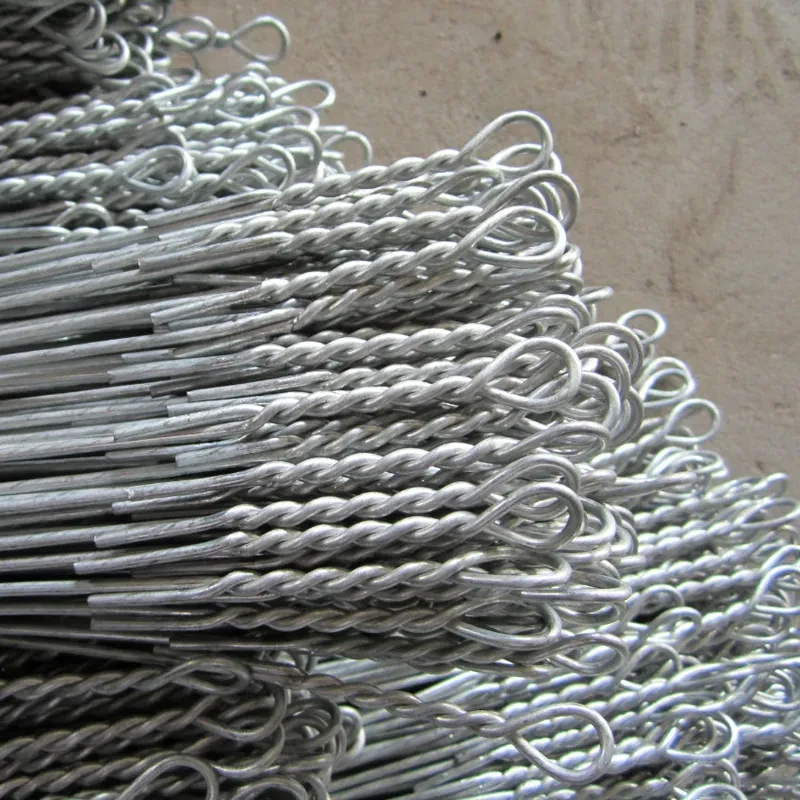
Zinc coated wire, encompassing galvanized steel wire and zinc-aluminum alloy coated wire, represents a critical component in diverse industrial applications ranging from construction and agriculture to telecommunications and automotive manufacturing. This guide provides an in-depth technical analysis of its material composition, manufacturing processes, performance characteristics, potential failure modes, and relevant industry standards. Its primary function is to provide sacrificial corrosion protection to the underlying steel substrate, extending service life in harsh environments. The selection of appropriate zinc coating thickness and alloy composition is paramount to achieving optimal performance, addressing industry pain points related to premature corrosion, inconsistent coating adhesion, and hydrogen embrittlement during manufacturing. The core performance parameters revolve around corrosion resistance, mechanical strength, ductility, and formability.
Material Science & Manufacturing
The foundation of zinc coated wire lies in the metallurgical interaction between the zinc coating and the steel substrate. Common steel grades utilized include carbon steel (low, medium, and high carbon), as well as various alloy steels depending on the required tensile strength and ductility. Zinc purity is also critical, with commercially pure zinc (99.995%) being the standard. However, alloy additions such as aluminum, nickel, and magnesium are frequently incorporated to enhance corrosion resistance and improve coating adherence. The manufacturing process typically involves one of three primary methods: hot-dip galvanizing, electrogalvanizing, and zinc spraying. Hot-dip galvanizing, the most prevalent method, immerses the steel wire in a molten zinc bath (typically 98% zinc, 1.5% aluminum, 0.5% silicon) at temperatures between 440-460°C. This results in the formation of a series of zinc-iron alloy layers (zeta, gamma, delta, and alpha) culminating in a pure zinc outer layer. Electrogalvanizing utilizes an electrolytic bath containing zinc salts to deposit a uniform zinc coating onto the wire surface. This method offers finer control over coating thickness and surface finish but generally provides lower corrosion resistance than hot-dip galvanizing. Zinc spraying involves utilizing a thermal spray process to deposit molten zinc onto the wire. Critical process parameters include bath temperature, immersion time (hot-dip), current density (electrogalvanizing), spray distance and velocity (zinc spraying), and post-treatment procedures such as passivation to enhance corrosion protection and coating adhesion. Controlling steel surface preparation – including pickling, fluxing, and pre-heating – is essential to ensure optimal coating quality and prevent defects like white rust and uneven coating distribution.
Performance & Engineering
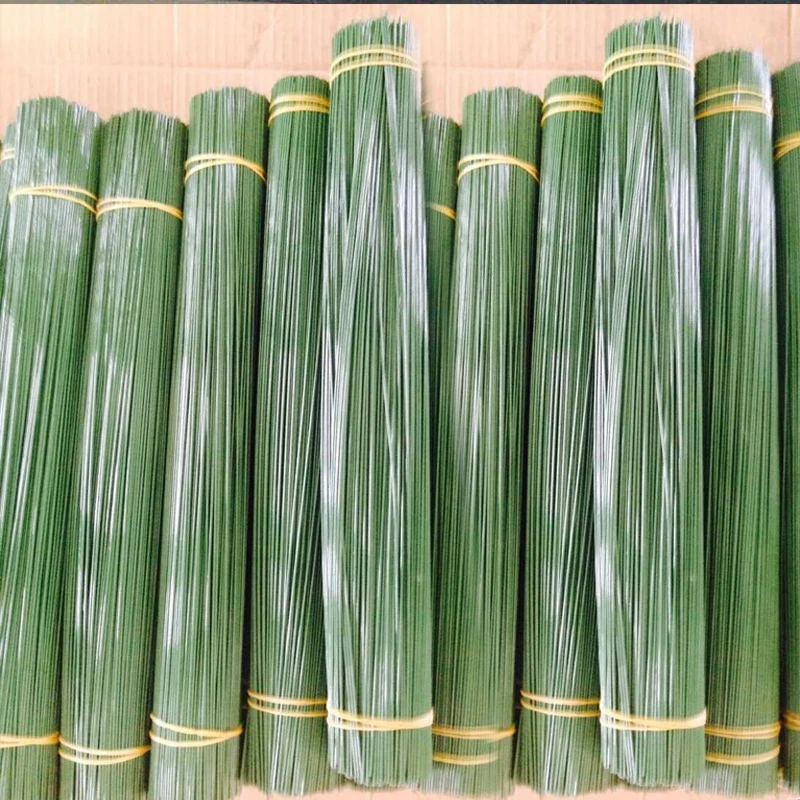
The performance of zinc coated wire is fundamentally dictated by its ability to provide long-term corrosion protection to the underlying steel. This protection relies on a combination of barrier protection, where the zinc coating physically isolates the steel from the corrosive environment, and galvanic protection, where zinc corrodes preferentially to the steel, acting as a sacrificial anode. The rate of zinc corrosion is directly influenced by environmental factors such as humidity, temperature, salinity, and the presence of pollutants (sulfur dioxide, chlorides). Engineering considerations include assessing the mechanical loads the wire will experience during service. Tensile strength, yield strength, elongation, and torsional resistance are critical parameters. Coating thickness significantly impacts corrosion resistance, with thicker coatings providing longer protection. However, excessively thick coatings can lead to increased coating stress and potential cracking. Furthermore, the formation of hydrogen during the galvanizing process can induce hydrogen embrittlement, reducing the ductility and load-bearing capacity of the wire. Post-treatment processes, such as baking, are crucial for mitigating hydrogen embrittlement. Adherence to relevant engineering standards, such as ASTM A641 for hot-dip galvanized steel wire, ensures that the wire meets specified performance requirements. Force analysis, including bending stress, shear stress, and tensile stress calculations, is essential for selecting appropriate wire diameters and coating thicknesses for specific applications. Compliance requirements relating to environmental regulations concerning zinc emissions and waste disposal must also be considered.
Technical Specifications
| Parameter | Unit | ASTM A641 Grade 30 (Typical) | ASTM A641 Grade 60 (Typical) |
|---|---|---|---|
| Tensile Strength | MPa | 380-517 | 690-862 |
| Yield Strength | MPa | 241-345 | 552-690 |
| Elongation | % | 10-15 | 8-12 |
| Zinc Coating Thickness (Minimum) | µm | 55 | 85 |
| Zinc Coating Weight (Minimum) | g/m² | 200 | 300 |
| Diameter Tolerance | µm | ±0.05 mm | ±0.05 mm |
Failure Mode & Maintenance
Zinc coated wire is susceptible to several failure modes, significantly impacting its long-term reliability. The most common is uniform corrosion, where the zinc coating gradually corrodes over time, providing diminishing sacrificial protection. Localized corrosion, including pitting and crevice corrosion, can occur in areas with discontinuities in the coating or exposure to aggressive chemical environments. White rust (zinc oxide/hydroxide) formation is a common issue, particularly during storage and transportation, and can accelerate corrosion. Coating defects, such as porosity, cracks, and uneven thickness, compromise the barrier protection and galvanic protection mechanisms. Hydrogen embrittlement, as previously mentioned, leads to brittle failure under tensile stress. Mechanical damage, including abrasion and impact, can expose the underlying steel substrate, initiating localized corrosion. For maintenance, regular inspection is crucial to identify signs of corrosion or coating damage. Damaged areas should be cleaned and re-coated with a zinc-rich primer or a compatible coating system. Avoiding harsh chemicals and abrasive cleaning methods is essential. For heavily corroded wire, replacement is often the most cost-effective and reliable solution. Proper storage in a dry, well-ventilated environment minimizes the risk of white rust formation. Periodic application of a protective coating (e.g., a corrosion inhibitor) can further extend service life.
Industry FAQ
Q: What is the impact of steel substrate composition on the galvanizing process and final coating properties?
A: The carbon content and alloy composition of the steel substrate significantly influence the formation of the zinc-iron alloy layers during hot-dip galvanizing. Higher carbon steel grades tend to form thicker and harder alloy layers, potentially increasing brittleness. The presence of alloying elements, such as manganese and silicon, can affect the reactivity of the steel surface and the growth rate of the alloy layers. Careful selection of steel grade is crucial to ensure optimal coating adhesion and mechanical properties.
Q: How does the presence of chlorides in the environment affect the corrosion rate of galvanized wire?
A: Chlorides are highly aggressive towards galvanized coatings. They penetrate the zinc coating and promote pitting corrosion, accelerating the breakdown of the protective layer. The corrosion rate increases exponentially with chloride concentration. In marine environments or areas exposed to de-icing salts, the use of higher zinc coating thicknesses or alloy coatings (e.g., zinc-aluminum) is recommended to enhance corrosion resistance.
Q: What is the role of passivation in electrogalvanized wire and how effective is it?
A: Passivation is a post-treatment process applied to electrogalvanized wire to enhance corrosion resistance. It involves applying a chromate conversion coating that forms a thin, protective layer on the zinc surface. Chromate passivation is highly effective in delaying the onset of white rust and improving corrosion resistance. However, due to environmental concerns related to hexavalent chromium, alternative passivation treatments, such as trivalent chromium conversion coatings, are increasingly being used, although their performance may be slightly lower.
Q: What are the key differences between ASTM A641 Grade 30 and Grade 60 galvanized wire in terms of application suitability?
A: ASTM A641 Grade 30 wire is typically used in applications requiring moderate strength and corrosion resistance, such as fencing and general-purpose binding wire. Grade 60 wire, with its higher tensile and yield strengths, is preferred for applications demanding greater load-bearing capacity and durability, such as suspension cables, guy wires, and high-strength fasteners.
Q: How can hydrogen embrittlement be effectively mitigated during the galvanizing process?
A: Hydrogen embrittlement can be mitigated through several strategies. Controlling the steel surface condition to minimize the generation of hydrogen during pickling is crucial. Using inhibitors in the pickling bath can reduce hydrogen absorption. Post-galvanizing baking at a controlled temperature (typically 150-200°C for several hours) allows the hydrogen to diffuse out of the steel. Selecting appropriate steel grades with lower susceptibility to hydrogen embrittlement also plays a role.
Conclusion
Zinc coated wire remains a cornerstone material in numerous industries due to its cost-effective corrosion protection and adequate mechanical properties. The selection of the appropriate galvanizing process, steel substrate, and coating thickness is paramount to achieving optimal performance and longevity in specific applications. Understanding the potential failure modes, such as localized corrosion and hydrogen embrittlement, and implementing appropriate preventative measures through regular inspection and maintenance, are critical for ensuring the reliable operation of zinc coated wire components.
Future advancements in zinc alloy coatings, coupled with the development of environmentally friendly passivation treatments, are expected to further enhance the performance and sustainability of zinc coated wire. Continued research into the fundamental mechanisms of corrosion and the optimization of manufacturing processes will be essential for addressing evolving industry needs and maintaining the long-term viability of this vital material.