



Introduction
Roofing nails are essential fastening components in building construction, specifically designed for securing roofing materials – asphalt shingles, wood shakes, tiles, and metal roofing – to the roof deck. Their technical positioning within the construction supply chain is as a critical consumable, directly impacting the structural integrity and weather resistance of a building’s roof system. Core performance characteristics center around shear strength, tensile strength, corrosion resistance, and holding power, dictated by material composition, shank design, and head style. The industry faces continual pressure to optimize nail performance regarding cost, weight, and installation efficiency, while maintaining long-term durability under varying environmental stresses. Failure of roofing nails translates directly into water ingress, structural damage, and costly repairs, making their quality and appropriate application paramount. This guide provides an in-depth technical analysis of roofing nails, covering material science, manufacturing processes, performance engineering, failure modes, and relevant industry standards.
Material Science & Manufacturing
The primary material for roofing nail construction is carbon steel, typically SAE 1008 or 1010 grade. These steels offer a balance of ductility and strength. The chemical composition, generally around 0.08-0.10% carbon, 0.60-0.90% manganese, and trace amounts of phosphorus and sulfur, dictates the material’s weldability and formability. Increasing carbon content raises hardness and tensile strength, but reduces ductility and weldability, requiring careful balance. Stainless steel (304 or 316 grades) is utilized in corrosive environments (coastal regions, chemically exposed areas) offering superior corrosion resistance but at a higher cost. Aluminum nails are used for certain roofing types like cedar shakes to prevent electrolytic corrosion.
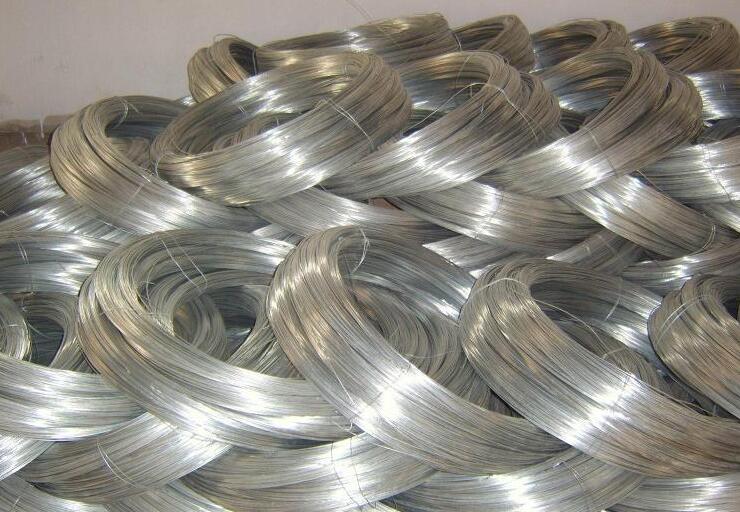
Manufacturing typically involves cold heading of wire stock. This process involves feeding steel wire into a header, where it's cut to length and formed into the nail shape using a series of dies. Critical parameters include heading speed, die lubrication (often with phosphate coatings or soap-based lubricants), and wire feed tension. Precise control is crucial to avoid defects like seams, laps, and inconsistent head diameters. After heading, nails undergo a surface treatment process – galvanization is the most common. Hot-dip galvanization provides a thick zinc coating (typically 50-150 μm) for robust corrosion protection, achieved by immersing the nails in molten zinc. Electrolytic galvanization provides a thinner, more uniform coating. Increasingly, polymer coatings (epoxy, polyester) are applied over galvanization for enhanced corrosion resistance and aesthetic appeal. Quality control at each stage includes dimensional checks, hardness testing (Rockwell C scale), coating thickness measurements, and visual inspection for defects.
Performance & Engineering
The performance of a roofing nail is primarily dictated by its shear strength and tensile strength. Shear strength, the resistance to forces acting parallel to the nail shank, is crucial for resisting wind uplift. Tensile strength, the resistance to forces pulling directly on the nail, is important for resisting pull-through. Nail diameter and shank length directly influence these parameters. A larger diameter and longer shank generally provide higher shear and tensile strength. Shank design – smooth, ring shank, screw shank – significantly impacts holding power. Ring shank nails, with circumferential rings, offer superior withdrawal resistance compared to smooth shank nails. Screw shank nails provide the highest withdrawal resistance due to the increased friction from the helical threads.
Environmental resistance is a key consideration. Corrosion, caused by exposure to moisture, salts, and atmospheric pollutants, weakens the nail and reduces its holding power. Galvanization and polymer coatings mitigate corrosion. Thermal expansion and contraction of the roofing materials and nail, due to temperature fluctuations, induce stresses on the nail shank. The coefficient of thermal expansion mismatch between steel and roofing materials can lead to fatigue cracking over time. Compliance requirements, such as those specified by building codes (International Building Code - IBC) and roofing material manufacturers, dictate nail size, spacing, and installation methods. Wind uplift resistance calculations, based on local wind speeds and roof geometry, determine the required nail density. The nail's head style (flat, round, countersunk) influences its ability to resist wind uplift and provides a secure fixing point for the roofing material.
Technical Specifications
| Nail Diameter (inches) | Nail Length (inches) | Shank Type | Coating Type | Shear Strength (psi) | Tensile Strength (psi) |
|---|---|---|---|---|---|
| 0.083 | 1.25 | Smooth | Hot-Dip Galvanized | 650 | 400 |
| 0.099 | 1.5 | Ring Shank | Hot-Dip Galvanized | 850 | 550 |
| 0.113 | 1.75 | Screw Shank | Hot-Dip Galvanized | 1000 | 680 |
| 0.083 | 1.25 | Smooth | Electrolytic Galvanized | 600 | 380 |
| 0.099 | 1.5 | Ring Shank | Stainless Steel 304 | 950 | 620 |
| 0.113 | 1.75 | Screw Shank | Epoxy Coated Galvanized | 1100 | 750 |
Failure Mode & Maintenance
Roofing nails are susceptible to several failure modes. Fatigue cracking, initiated by cyclic loading from wind gusts and thermal expansion/contraction, propagates from stress concentration points (nail head, shank bends). Corrosion, particularly in aggressive environments, weakens the nail shank, reducing its load-bearing capacity. Pull-through failure occurs when the nail loses its grip on the roof deck, often due to insufficient shank length or inadequate holding power. Shear failure occurs when the nail breaks due to excessive lateral forces. Delamination of the roofing material around the nail head can also contribute to failure. Oxidation of the zinc coating in galvanized nails over time reduces corrosion protection.
Preventative maintenance is limited but crucial. Proper nail spacing and installation (driving nails to the correct depth without bending or damaging the roofing material) are essential. Regular roof inspections should identify any signs of nail corrosion, loose nails, or damaged roofing materials around nail heads. Replacing corroded or loose nails promptly prevents further damage. For coastal regions or chemically exposed areas, upgrading to stainless steel or epoxy-coated nails extends the roof’s lifespan. Addressing roof leaks immediately prevents water damage that can exacerbate nail corrosion and structural deterioration. The use of proper underlayment beneath the roofing material provides an additional layer of protection against water intrusion and reduces the stress on the nails.
Industry FAQ
Q: What is the impact of different galvanization processes on the long-term performance of roofing nails?
A: Hot-dip galvanization provides a thicker zinc coating, offering superior corrosion protection, especially in harsh environments. However, it can result in a less uniform coating compared to electrolytic galvanization. Electrolytic galvanization provides a smoother, more consistent coating, but is thinner and offers less long-term protection. For extended lifespan, especially in coastal areas, hot-dip galvanization is generally preferred. Combining galvanization with a polymer coating (e.g., epoxy) provides synergistic protection.
Q: How does shank type (smooth, ring, screw) influence the wind uplift resistance of a roof?
A: Ring shank nails and screw shank nails provide significantly higher withdrawal resistance than smooth shank nails. This increased resistance directly translates to improved wind uplift performance. Screw shank nails generally offer the highest withdrawal resistance, followed by ring shank nails. Smooth shank nails are best suited for applications where withdrawal resistance is not a primary concern.
Q: What is the recommended nail spacing for asphalt shingle roofing in a high-wind zone?
A: Recommended nail spacing in high-wind zones (typically exceeding 90 mph) often requires a minimum of six nails per shingle, spaced closer together than standard recommendations. Specific spacing requirements are dictated by local building codes, shingle manufacturer’s specifications, and wind uplift calculations based on roof geometry and exposure. Consult local building codes and shingle manufacturer guidelines for precise requirements.
Q: What are the benefits of using stainless steel roofing nails versus galvanized steel nails?
A: Stainless steel nails offer superior corrosion resistance compared to galvanized steel nails, particularly in coastal environments or areas exposed to harsh chemicals. While more expensive, stainless steel nails significantly extend the roof’s lifespan and reduce the need for frequent repairs. They are the preferred choice for applications where corrosion is a major concern.
Q: How does temperature fluctuation affect the long-term performance of roofing nails?
A: Temperature fluctuations cause expansion and contraction of both the roofing materials and the nails. Differences in the coefficients of thermal expansion between the materials induce stresses on the nail shank, potentially leading to fatigue cracking over time. Properly sized nails and appropriate installation techniques (avoiding overdriving or bending) can minimize these stresses. Choosing a nail material with a coefficient of thermal expansion closer to the roofing material can also reduce stress.
Conclusion
Roofing nails, despite their seemingly simple design, are critically engineered components with performance characteristics dictated by material science, manufacturing precision, and installation practices. Their selection and application are fundamental to the long-term integrity and weather resistance of any roof system. Understanding the failure modes – corrosion, fatigue cracking, pull-through, and shear – is crucial for informed decision-making regarding nail selection and preventative maintenance.
The industry continues to evolve, driven by demands for increased durability, corrosion resistance, and cost-effectiveness. Future advancements may include the development of new alloy compositions, enhanced coating technologies, and optimized nail geometries to further improve performance and extend roof lifespans. Adhering to relevant international standards and best practices in installation remains paramount to ensuring reliable and long-lasting roof systems.