3D Curved Welded Wire Mesh Fence belongs to a different product category, but both perimeter systems and sintered mesh illustrate the same engineering principle: reliable performance begins with matching material structure to the conditions it must withstand. For filtration media, that means looking beyond nominal pore size to the full lifecycle of the application.

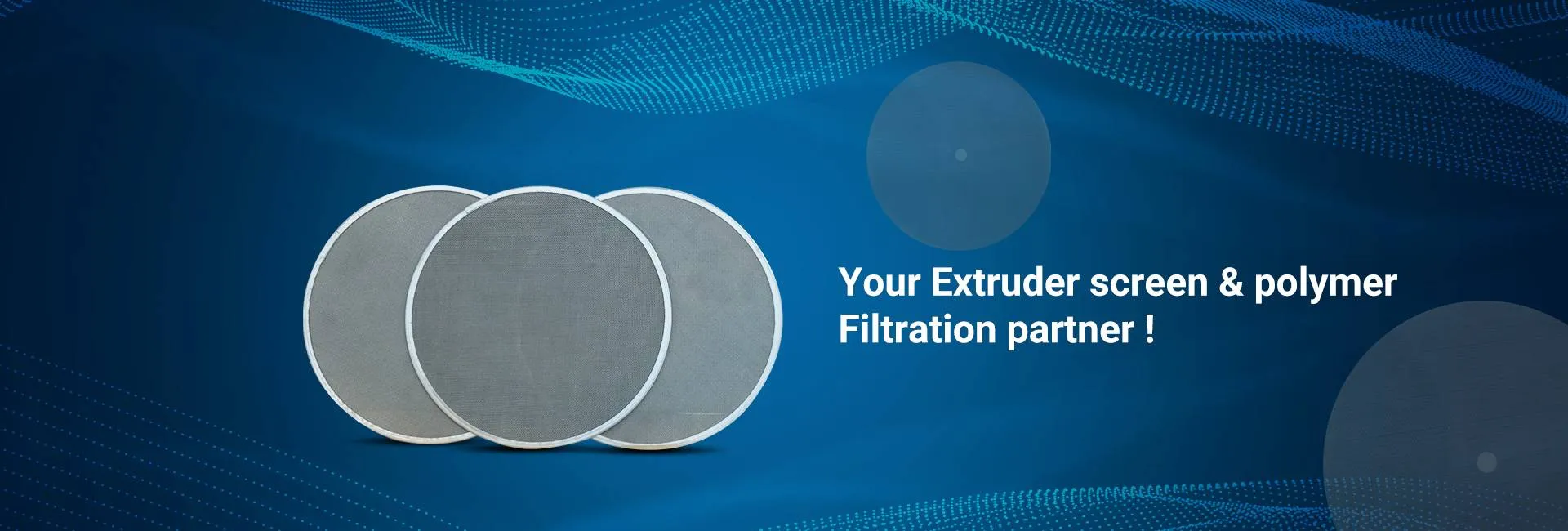
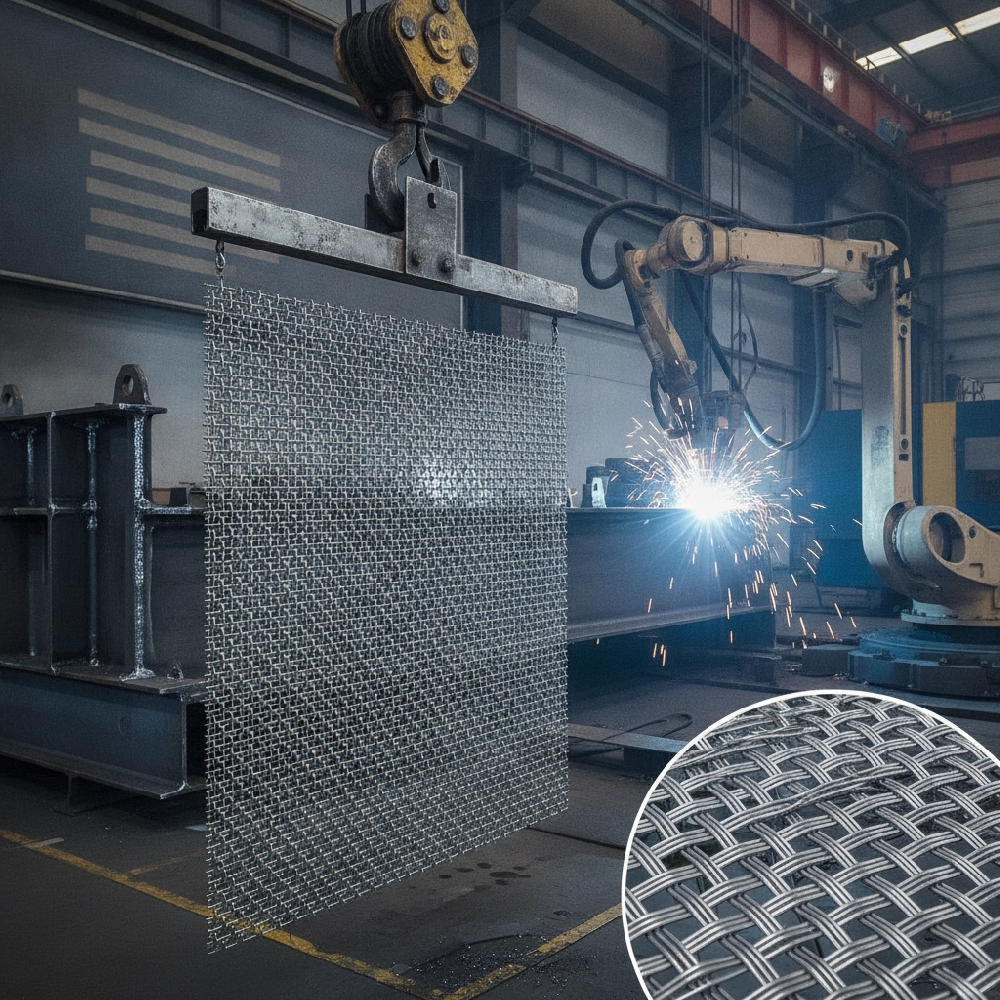
Sintered mesh is made by bonding layers of woven metal mesh under controlled heat and pressure. The process creates a stable, porous material whose layers work together to provide filtration, strength, and dimensional consistency. It is used in demanding settings such as chemical processing, energy production, pharmaceuticals, food manufacturing, and fluid handling, where a filter must do more than capture particles: it must retain its form and function over time.
Start with the operating conditions
A filter specification should begin with the process, not a catalogue number. Engineers need to understand the fluid or gas being filtered, its temperature and pressure, the expected contaminant load, and whether the media will encounter corrosive chemicals or frequent cleaning. These conditions influence the choice of alloy, layer arrangement, permeability, and mechanical strength.
Particle retention is important, but it is only one part of the decision. A very fine filtration rating may create excessive pressure drop if the process requires high flow. Conversely, a more open structure may allow unwanted particles through. The useful specification is therefore a balance among retention, flow, operating pressure, and the consequences of a change in either direction.
It also helps to distinguish between an initial clean-filter reading and performance after the media has accumulated material. A filter that meets the target on day one may behave differently as particles load the surface or penetrate deeper into the structure. Testing under representative process conditions can reveal this gap before installation.
Why layered construction matters
Sintered mesh commonly combines layers that serve different functions. A fine filtration layer controls particle retention, while coarser support layers contribute strength and help maintain a consistent shape. The exact configuration depends on the application, but the aim is to create a unified structure rather than a loose stack that can shift under pressure or handling.
This stability can be valuable in applications involving backwashing, repeated cleaning, or mechanical loads. A robust structure may support reuse and reduce the need for frequent replacement, although actual service life depends on the process, maintenance practices, and the suitability of the selected alloy.
Manufacturing controls matter just as much as the design. Consistent bonding, pore distribution, dimensions, and surface condition help ensure that replacement elements behave like the original. Buyers and engineers can ask about inspection methods, batch traceability, and the tests used to verify the finished material—not only the stated filtration rating.
Evaluate cleaning, maintenance, and total service life
A filter’s purchase price is only one component of its cost. Maintenance labour, downtime, cleaning chemicals, replacement frequency, and the impact of process interruptions can outweigh the initial material expense. Comparing options over an expected operating period gives decision-makers a more useful view of value.
Cleaning requirements should be discussed before a media selection is finalized. Backwashing, ultrasonic cleaning, or chemical treatment may be suitable in some settings, but not every mesh construction or alloy is appropriate for every method. Confirming cleaning limits with the supplier helps reduce the risk of damaging the filtration layer or changing its performance.
Routine monitoring can also prevent avoidable failures. Tracking pressure drop, flow rate, and cleaning intervals creates a practical picture of how the element performs in service. A sudden change may indicate an upstream process issue, incorrect installation, or media damage, rather than simply the need for a new filter.
Treat quality assurance as part of the specification
Clear documentation makes technical comparisons more meaningful. A complete enquiry can include operating temperature, pressure range, target particle retention, flow requirements, fluid chemistry, dimensions, connection details, and cleaning expectations. If a process has a history of clogging or corrosion, sharing those details helps prevent a technically plausible but unsuitable choice.
Quality systems and inspection capability are relevant across the broader metal-products supply chain. Anping County Cheng Chuang Metal Products Co., Ltd., for example, manufactures wire mesh products and infrastructure barriers, and lists ISO 9001 quality management certification alongside environmental and occupational health management certifications. That background reflects how disciplined production controls matter across mesh applications, even though filtration media and protective barriers have distinct specifications and should be assessed separately.
Look at the complete facility, not just the filter element
In industrial plants, filtration equipment operates within a larger environment of access control, worker safety, maintenance routes, and process reliability. Perimeter planning may include a Barbed wire fence where site risk assessments and local regulations support that choice. Such infrastructure is separate from filtration design, but both decisions benefit from a clear understanding of exposure, operating requirements, and long-term maintenance.
The most dependable material choice is rarely the one based on a single specification or the lowest upfront cost. It is the one backed by realistic process data, suitable construction, verifiable quality controls, and a maintenance plan that reflects actual operating conditions. When these factors are considered together, sintered mesh can be specified with greater confidence—and its performance can be measured throughout its service life.