



Introduction
2.5 ring shank nails represent a common fastener employed in a wide range of wood construction and woodworking applications. Characterized by a 2.5-gauge (approximately 3.3 mm) diameter shank and a distinct ring-shaped series of barbs along the shank, these nails are designed to provide superior holding power compared to smooth shank nails. Their position within the industry chain lies as a critical component in framing, sheathing, roofing, and finishing work. Core performance attributes include shear strength, tensile strength, and withdrawal resistance, directly influencing the structural integrity of assembled wood structures. This guide will provide a detailed technical overview of 2.5 ring shank nails, encompassing material science, manufacturing processes, performance characteristics, potential failure modes, and relevant industry standards. The prevalence of ring shank nails addresses the industry's primary pain point: securing durable and reliable wood connections without reliance on adhesives or complex joining techniques.
Material Science & Manufacturing
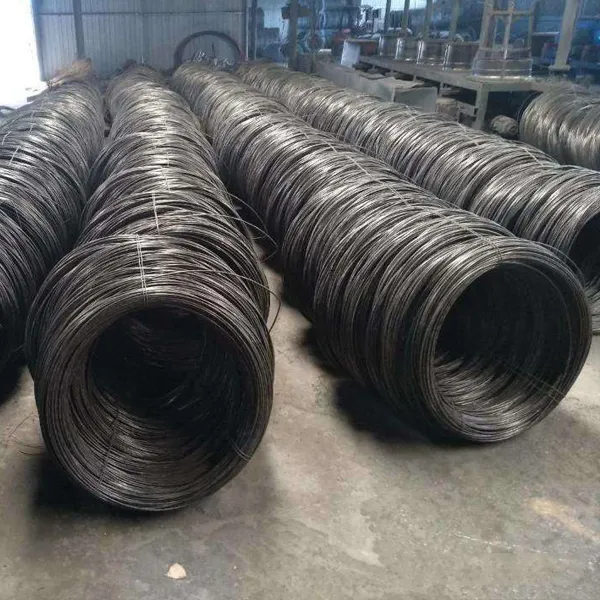
The predominant material for 2.5 ring shank nails is carbon steel, specifically SAE 1008 or equivalent. This steel offers a balance of ductility and strength, critical for nail formation and performance. Raw material properties include a tensile strength of approximately 360 MPa and a yield strength of 205 MPa. Manufacturing begins with wire drawing, reducing the steel billet diameter to the desired 2.5 gauge. Following wire drawing, the wire undergoes heading, a cold-forming process where the nail head is created. The ring shanks are then formed through a knurling process, employing rotating rollers to create the circumferential rings along the shank. Critical parameters during knurling include roller pressure, feed rate, and shank length. Inconsistent pressure leads to poorly formed rings, reducing holding power. Wire surface condition also impacts knurling quality; scale or impurities can result in incomplete ring formation. A subsequent coating, typically bright basic zinc coating (BBZC) or electro-galvanizing, provides corrosion resistance. Coating thickness is carefully controlled, generally between 8-12 μm for BBZC and 5-25 μm for electro-galvanizing, to prevent premature corrosion and ensure longevity. Quality control at each stage includes dimensional checks, hardness testing, and coating thickness measurement to ensure compliance with industry standards.
Performance & Engineering
The superior holding power of 2.5 ring shank nails stems from the mechanical interlock created by the rings as they penetrate wood fibers. This contrasts with smooth shank nails, which rely primarily on friction. Engineering analysis focuses on withdrawal resistance, shear strength, and bending strength. Withdrawal resistance is determined by the force required to pull the nail out of the wood, measured in pounds or Newtons. Shear strength, vital in resisting lateral forces, is calculated based on the nail's cross-sectional area and the shear stress the material can withstand. Bending strength, particularly relevant during installation, assesses the nail's resistance to bending and breakage. Environmental resistance is a key consideration. Moisture content in wood significantly affects nail performance; higher moisture levels reduce wood strength, potentially lowering withdrawal resistance. Temperature fluctuations can also cause wood to expand and contract, impacting nail grip. Compliance requirements vary by region and application. Building codes typically specify nail size, type, and spacing based on structural load calculations. For example, the International Building Code (IBC) provides guidelines for nail schedules in wood framing. Proper nail penetration depth is crucial; insufficient penetration significantly reduces holding power. Force analysis during installation dictates the optimal nailing pressure and angle to avoid bending or damaging the nail or surrounding wood.
Technical Specifications
| Parameter | Units | Typical Value | Testing Standard |
|---|---|---|---|
| Shank Diameter | mm | 3.3 | ASTM F1596 |
| Shank Length | mm | 30-90 (varies) | ASTM F1596 |
| Head Diameter | mm | 6.35 | ASTM F1596 |
| Head Thickness | mm | 2.5 | ASTM F1596 |
| Material | - | SAE 1008 Carbon Steel | ASTM A1008 |
| Coating | μm | 8-12 (BBZC) / 5-25 (Electro-Galvanized) | ASTM B695 / ASTM B693 |
Failure Mode & Maintenance
2.5 ring shank nails are susceptible to several failure modes. Fatigue cracking can occur under cyclical loading, particularly in structural applications. This initiates at stress concentration points, typically around the nail head or rings. Shear failure results from excessive lateral force exceeding the nail’s shear strength. Withdrawal failure occurs when the nail pulls out of the wood due to insufficient holding power or compromised wood integrity. Corrosion is a significant concern, especially in humid environments or when exposed to corrosive substances. Rust weakens the nail, reducing its strength and increasing the risk of breakage. Delamination of the zinc coating accelerates corrosion. Maintenance is primarily preventative. Using properly coated nails appropriate for the environment is essential. Inspecting nailed connections periodically for signs of corrosion or looseness is recommended. Replacing corroded or loose nails prevents structural failure. Avoiding overdriving nails prevents bending and damage to the surrounding wood. Proper storage of nails in a dry environment minimizes corrosion before use. In heavily loaded applications, consider using specialized fasteners designed for increased fatigue resistance and corrosion protection.
Industry FAQ
Q: What is the primary advantage of ring shank nails over smooth shank nails in shear applications?
A: The ring shank design provides significantly increased withdrawal resistance due to the mechanical interlocking with the wood fibers. While both nail types possess similar shear strength based on cross-sectional area, the enhanced grip of the ring shank prevents slippage and reduces the likelihood of shear failure under sustained or cyclical loads. This mechanical interlock effectively distributes shear forces along a larger area of the wood.
Q: How does wood moisture content impact the holding power of 2.5 ring shank nails?
A: Higher wood moisture content generally reduces the holding power of nails. Wet wood is weaker and more prone to deformation, reducing the grip of the nail rings. As wood dries and shrinks, it can also loosen the nail’s grip, contributing to withdrawal. It's crucial to consider the anticipated moisture content of the wood when selecting nail size and spacing.
Q: What is the acceptable range for coating thickness on a bright basic zinc coated (BBZC) nail?
A: The typical acceptable range for BBZC coating thickness on a 2.5 ring shank nail is 8-12 micrometers. This coating thickness provides adequate corrosion resistance for general interior and exterior applications. Variations outside this range may indicate insufficient protection or excessive coating build-up, potentially affecting nail performance.
Q: Can 2.5 ring shank nails be used in pressure-treated lumber, and if so, are there specific considerations?
A: Yes, 2.5 ring shank nails can be used in pressure-treated lumber, but the nails must be specifically designed for use with treated wood. Pressure treatment chemicals can be corrosive to standard carbon steel nails. Therefore, hot-dip galvanized nails (ASTM A153) or stainless steel nails (ASTM A970) are recommended to prevent premature corrosion and ensure long-term durability.
Q: What is the typical failure mode when a nail is overdriven into softwood?
A: Overdriving a nail into softwood typically results in crushing of the wood fibers surrounding the nail shank, reducing the wood’s ability to provide holding power. This can lead to a loss of withdrawal resistance and potential for the nail to shear through the wood under load. The ring shank can also be damaged during overdriving, diminishing its effectiveness.
Conclusion
2.5 ring shank nails represent a reliable and cost-effective fastening solution for a broad spectrum of wood construction applications. Their enhanced holding power, stemming from the mechanical interlock of the ring shank design, provides a significant advantage over smooth shank alternatives, particularly in applications subject to dynamic loading or withdrawal forces. Understanding the material science, manufacturing processes, and performance characteristics of these nails is crucial for ensuring structural integrity and long-term durability.
Moving forward, advancements in coating technologies and material compositions will likely lead to further improvements in corrosion resistance and overall performance. The adoption of more stringent quality control measures throughout the manufacturing process will also be critical to maintaining consistent product quality and meeting evolving industry standards. Continued research into the interaction between nail design, wood species, and environmental conditions will refine best practices for nail selection and installation, ensuring the continued reliable use of 2.5 ring shank nails in construction and woodworking.