



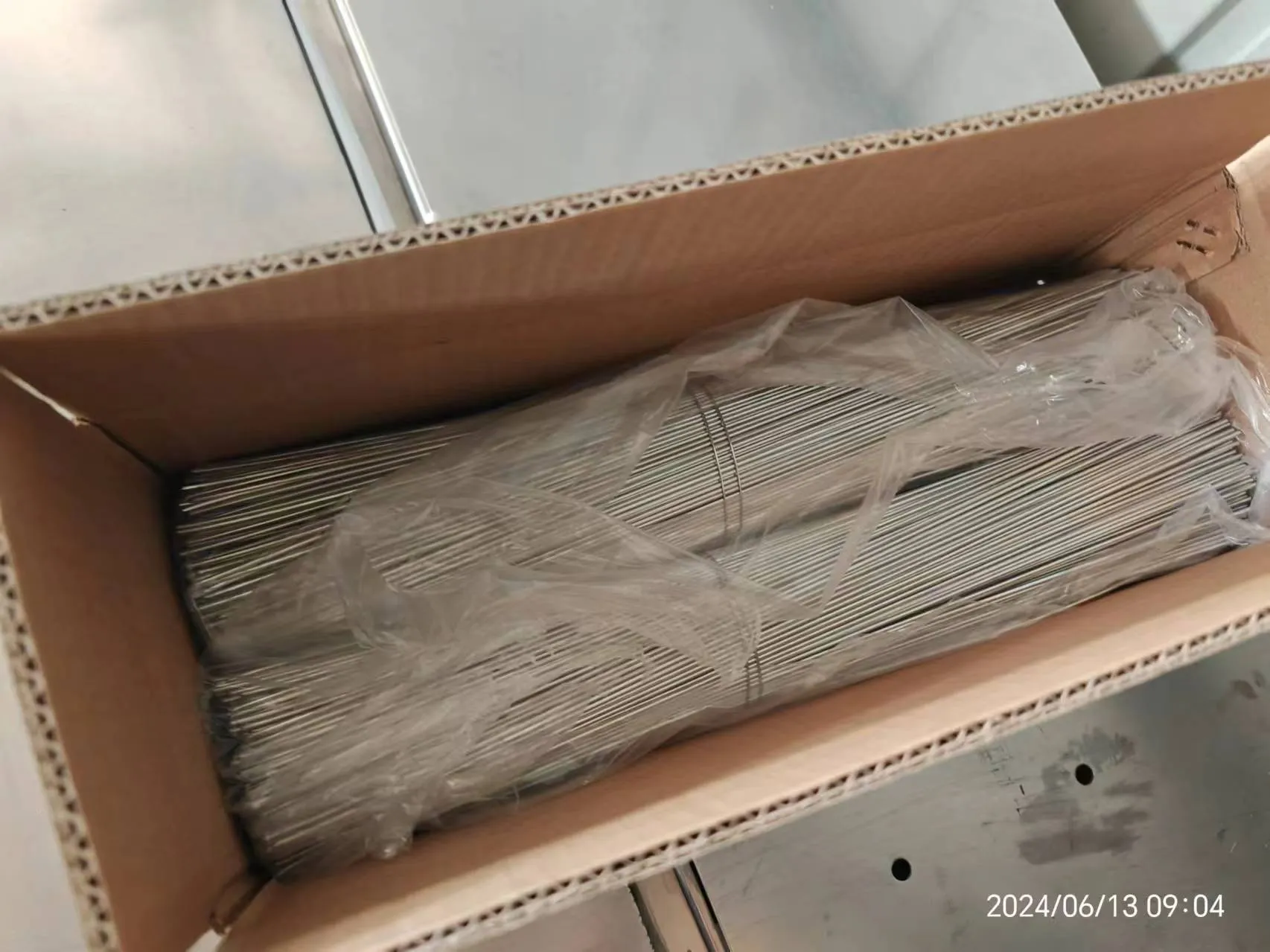
Introduction
Two-coil nails, also known as collated nails for pneumatic nailers, represent a significant advancement in fastening technology within the construction and manufacturing industries. These nails are designed for high-speed application using specialized nail guns, drastically improving efficiency compared to manual nailing. Positioned within the fastening supply chain between raw material production (steel wire) and on-site construction or assembly, two-coil nails facilitate the joining of materials in framing, sheathing, roofing, fencing, and various wood-based applications. Core performance characteristics center around consistent driving depth, minimal splitting of wood, and reliable holding power. The 'two-coil' designation refers to the arrangement of nails within the magazine, enabling a higher capacity and reduced reloading frequency, thereby increasing productivity. Addressing the industry pain point of labor costs and project timelines, these nails offer a substantial improvement in fastening speed and reduced operator fatigue.
Material Science & Manufacturing
The primary material for two-coil nails is typically carbon steel, specifically SAE 1008 or similar low-carbon steel grades, chosen for their ductility and formability. The wire undergoes a cold-heading process to form the nail head, imparting increased hardness and strength to that specific region. The shank is generally left in a softer state to allow for bending without fracturing. Surface treatments, such as bright basic coating (BBC), electrogalvanizing, or hot-dip galvanizing, are critical for corrosion resistance and are selected based on the intended application environment. Manufacturing involves several key stages: wire drawing to achieve the required diameter, head forming via cold heading, shank pointing for ease of penetration, and finally, collating and welding the nails into a continuous strip or coil. Precise control of the wire feeding rate, heading pressure, and welding parameters is crucial for nail consistency. Chemical compatibility between the coating material and the steel substrate is paramount; improper surface preparation can lead to coating delamination and accelerated corrosion. Quality control measures include hardness testing (Rockwell C scale), tensile strength testing, and coating thickness measurement. The geometry of the point (diamond, chisel, or blunt) is dictated by the wood density and application.

Performance & Engineering
The performance of two-coil nails is fundamentally governed by force analysis during impact. Factors influencing penetration depth include nail gun operating pressure, nail diameter, nail length, wood density, and nail point geometry. The holding power relies on a combination of frictional resistance and the shear strength of the nail shank. Engineering considerations involve calculating the shear load capacity based on the nail's cross-sectional area and the material's yield strength. Environmental resistance is a key performance metric. Exposure to moisture, temperature fluctuations, and corrosive agents can significantly degrade the nail’s integrity. Galvanized coatings are essential for outdoor applications. Compliance requirements vary by region and application. For example, in seismic zones, specific nail patterns and holding power specifications are mandated by building codes (e.g., International Building Code - IBC). The nail's angle of drive, achieved through the nailer's magazine angle, must be accounted for in structural calculations to determine the effective shear resistance. Fatigue resistance is also critical in applications subjected to repeated loading and unloading. The tensile strength of the steel must be sufficient to withstand these cyclical stresses without failure. The shank’s surface finish influences friction and withdrawal resistance.
Technical Specifications
| Nail Diameter (Gauge) | Nail Length (inches) | Shank Type | Coating Type |
|---|---|---|---|
| 6d (0.113") | 2.0" | Smooth | Bright Basic Coating (BBC) |
| 8d (0.131") | 2.5" | Ring Shank | Electrogalvanized |
| 10d (0.148") | 3.0" | Screw Shank | Hot-Dip Galvanized |
| 12d (0.162") | 3.5" | Smooth | Electrogalvanized |
| 16d (0.192") | 4.0" | Ring Shank | Hot-Dip Galvanized |
| Custom | Varies | Smooth/Ring/Screw | Per Specification |
Failure Mode & Maintenance
Common failure modes for two-coil nails include shank bending, head snapping, withdrawal failure (pull-out), and corrosion-induced degradation. Shank bending often results from insufficient nail hardness or excessive force applied during driving, particularly in dense wood. Head snapping occurs when the head is subjected to high tensile stresses, often due to improper nail gun settings or encountering knots in the wood. Withdrawal failure is influenced by the shank's surface texture (ring or screw shanks offer greater resistance) and the wood's density. Corrosion, particularly in untreated steel nails, leads to weakening of the shank and eventual failure. Preventative maintenance involves regular cleaning and lubrication of the nail gun to ensure proper functioning and minimize stress on the nails. Proper storage of nails in a dry environment is essential to prevent rust formation. Visual inspection for corrosion or damage before use is crucial. If significant corrosion is detected, the nails should be discarded. Failure analysis should consider the application environment, nail gun settings, and the type of wood being fastened. Employing nails with appropriate coatings for the environment is paramount to long-term durability. Regular inspection of fastened joints for signs of loosening or corrosion is recommended.
Industry FAQ
Q: What is the difference between ring shank and screw shank nails, and when should each be used?
A: Ring shank nails have a series of rings along the shank that increase friction and withdrawal resistance. They are ideal for applications where pull-out strength is critical, such as roofing and subflooring. Screw shank nails have a helical twist along the shank, providing even greater holding power but are generally more brittle. They are used in applications demanding maximum resistance to withdrawal, like structural framing where code compliance necessitates higher shear values.
Q: How does the gauge of a nail affect its holding power?
A: The gauge (diameter) of a nail is directly proportional to its shear strength and withdrawal resistance. A higher gauge nail has a larger cross-sectional area, offering greater strength. However, using a nail that is too thick can cause splitting in the wood, reducing the overall joint integrity. Selecting the correct gauge is a balance between strength requirements and wood density.
Q: What is the role of the coating in nail performance?
A: The coating's primary role is to protect the nail from corrosion. Different coatings offer varying levels of protection. Bright Basic Coating (BBC) provides minimal corrosion resistance and is suitable for indoor, dry applications. Electrogalvanizing offers moderate protection, while hot-dip galvanizing provides the highest level of corrosion resistance, essential for outdoor or high-humidity environments.
Q: What impact does nail gun pressure have on nail performance?
A: Nail gun pressure directly influences the driving depth and potential for nail bending or head snapping. Too low pressure results in incomplete seating, compromising holding power. Too high pressure can cause nail bending, head snapping, or damage to the wood. Optimal pressure settings depend on the nail type, wood species, and nail gun model. Consulting the nail gun manufacturer's guidelines is crucial.
Q: How are two-coil nails tested to ensure quality and consistency?
A: Two-coil nails undergo rigorous testing, including hardness testing (Rockwell C scale), tensile strength testing, shear strength testing, coating thickness measurement, and corrosion resistance testing (salt spray testing). Statistical process control (SPC) is used to monitor production parameters and ensure consistent quality. Nail straightness and head dimensions are also regularly inspected.
Conclusion
Two-coil nails represent a critical component in modern construction and manufacturing, offering significant advantages in fastening speed, efficiency, and reliability. The selection of the appropriate nail type—considering factors such as material composition, shank design, coating, and gauge—is paramount to achieving optimal performance and ensuring long-term structural integrity. Understanding the underlying material science, manufacturing processes, and potential failure modes is essential for engineers, procurement managers, and construction professionals alike.
Future advancements in two-coil nail technology will likely focus on developing more sustainable materials, enhancing corrosion resistance through innovative coatings, and incorporating smart features such as embedded sensors for monitoring stress levels in fastened joints. Continuous refinement of manufacturing processes and stringent quality control measures will further enhance the performance and durability of these essential fastening components. Their continued improvement will contribute to safer, more efficient, and more sustainable building practices.