



Introduction
3/4 inch drywall screws are a fundamental fastening element in modern construction, specifically designed for the installation of gypsum wallboard (drywall) to wood or metal framing. These screws occupy a crucial position within the building materials supply chain, bridging the gap between framing materials and the finished wall system. Their prevalence stems from their efficiency, cost-effectiveness, and specialized design features tailored for drywall application. Core performance characteristics include shear strength, penetration depth, and head design, optimized to secure drywall without tearing the paper facing. The selection of the correct drywall screw is critical; improper choice can lead to failures ranging from cosmetic imperfections to structural deficiencies. This guide provides a comprehensive technical overview of 3/4” drywall screws, covering material science, manufacturing processes, performance specifications, failure modes, and relevant industry standards. The increasing demand for faster, more reliable construction methods makes understanding these fasteners more important than ever.
Material Science & Manufacturing
Drywall screws are primarily manufactured from carbon steel, specifically SAE 1022 or similar grades. This steel provides a balance of hardness, ductility, and weldability necessary for forming the screw head and thread. The steel’s chemical composition typically includes carbon (0.22-0.28%), manganese (0.60-0.90%), phosphorus (0.040% max), sulfur (0.050% max), and silicon (0.05-0.30%). These elements influence the steel's hardenability and resistance to corrosion. The screws undergo a heat treatment process, usually involving quenching and tempering, to achieve the desired hardness (typically Rockwell C 32-38). The screw’s thread is formed via a cold-forming process, which work hardens the steel and enhances its tensile strength.
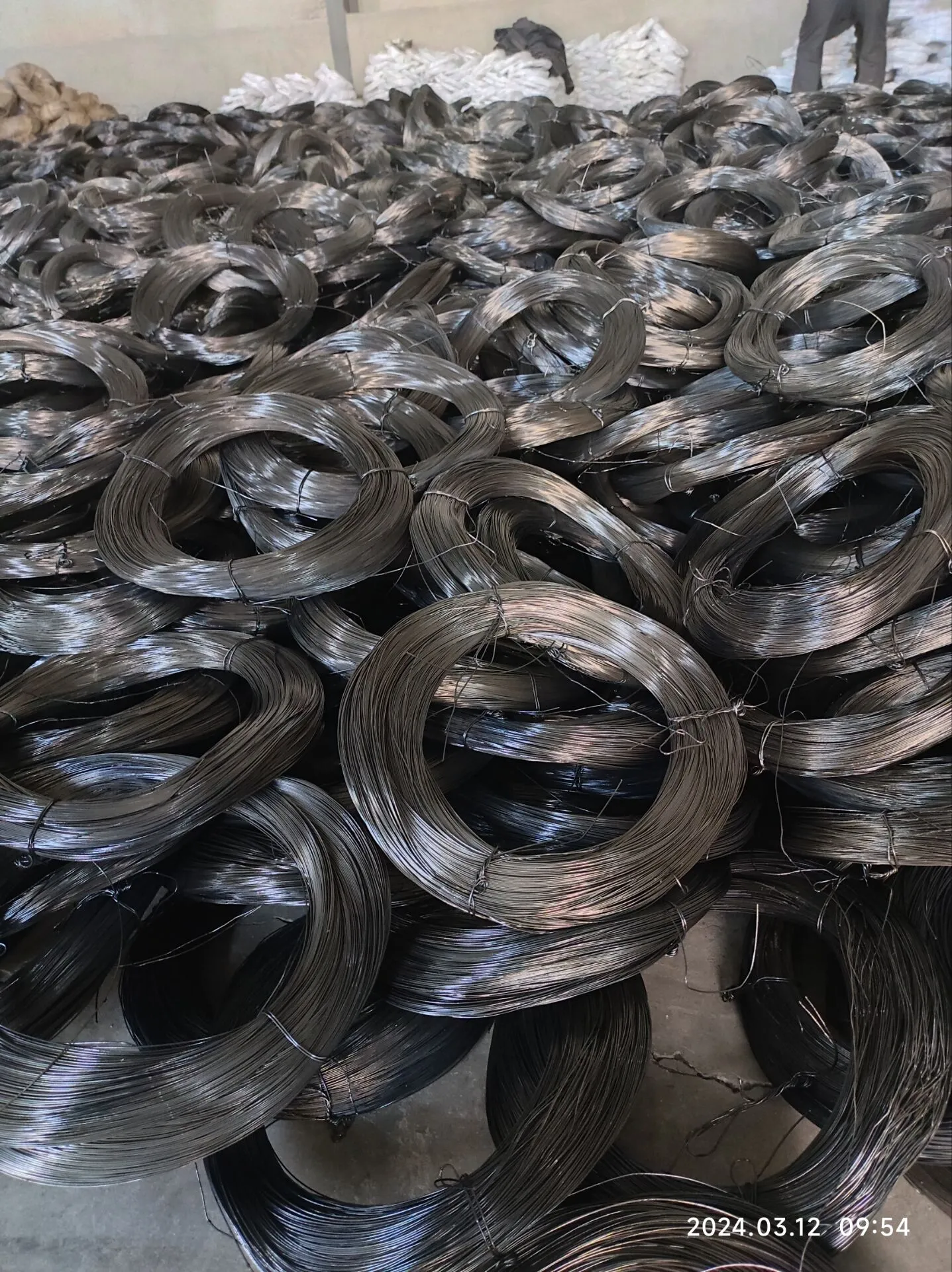
Manufacturing commences with wire drawing, reducing the steel billet to the correct diameter. This is followed by heading, where the screw head is formed. Thread rolling then imparts the screw’s helical thread pattern. Critical parameters during thread rolling include roll pressure, feed rate, and die geometry, which directly affect thread accuracy and form. Finally, the screws receive a coating, most commonly zinc phosphate, for corrosion resistance. This coating provides a base for subsequent coating layers. Alternative coatings include zinc dichromate (though increasingly phased out due to environmental concerns) and polymer coatings. Quality control measures throughout the process include dimensional checks (thread pitch, head diameter), hardness testing, and coating thickness verification. The uniformity of the coating is critical as pinholes or thin spots compromise corrosion protection.
Performance & Engineering
The performance of a 3/4” drywall screw hinges on its ability to resist shear stress, tensile stress, and bending forces during installation and under load. Shear stress is particularly relevant when screws are subjected to lateral forces, such as those encountered when hanging heavy objects. Tensile stress dictates the screw’s resistance to pull-out. Engineering calculations for drywall fastening often rely on the screw’s shear capacity, determined through standardized testing (ASTM F166). The screw’s thread design – typically a coarse thread for wood framing and a fine thread for metal framing – is optimized for maximizing pull-out resistance in the respective material. The bugle head design is crucial, allowing the screw to countersink slightly below the drywall surface without tearing the paper face. This minimizes the need for filling and finishing. The point style (sharp, blunt, or self-drilling) is selected based on the framing material.
Environmental resistance is a key consideration. While zinc coatings provide moderate corrosion protection, exposure to high humidity, corrosive chemicals, or dissimilar metals can accelerate corrosion. For exterior applications or corrosive environments, stainless steel screws are recommended. Compliance requirements, as outlined in building codes (IBC, IRC), specify screw spacing and depth of penetration to ensure adequate load-bearing capacity. Engineers performing structural calculations must consider these factors to guarantee the integrity of the drywall system. Proper installation technique – driving the screw perpendicular to the surface and avoiding over-driving – is also paramount to maximizing performance.
Technical Specifications
| Parameter | Specification (Typical) | Testing Standard | Units |
|---|---|---|---|
| Nominal Length | 0.75 | ASTM F166 | inches |
| Diameter | 0.148 | ASTM F166 | inches |
| Head Type | Bugle | Visual Inspection | - |
| Point Type | Sharp or Blunt | Visual Inspection | - |
| Material | SAE 1022 Carbon Steel | Chemical Analysis | - |
| Coating | Zinc Phosphate | ASTM B695 | - |
| Tensile Strength | 500-600 | ASTM F166 | MPa |
| Shear Strength | 350-450 | ASTM F166 | MPa |
| Hardness (Rockwell C) | 32-38 | ASTM E18 | - |
| Minimum Embedment Depth (Wood) | 0.5 | ASTM F166 | inches |
| Minimum Embedment Depth (Metal) | 0.375 | ASTM F166 | inches |
| Torque Capacity (Max) | 8-10 | ASTM F166 | in-lbs |
Failure Mode & Maintenance
Common failure modes for 3/4” drywall screws include stripping of the screw head, snapping of the screw shank, pull-out failure, and corrosion. Stripping occurs when the driver bit slips within the screw head, typically due to excessive torque or a worn driver bit. Shank fracture can result from over-tightening, material defects, or impact loading. Pull-out failure happens when the screw lacks sufficient embedment depth or the drywall’s core material is compromised. Corrosion, as previously mentioned, weakens the screw and reduces its load-bearing capacity. Fatigue cracking can occur in applications subject to repeated stress cycles, such as those involving vibration or frequent adjustments.
Preventative maintenance primarily involves proper installation techniques. Using the correct driver bit size and torque setting, ensuring adequate embedment depth, and avoiding over-tightening are crucial. Regular inspection for signs of corrosion or damage is also recommended, particularly in humid or corrosive environments. If corrosion is detected, the affected screws should be replaced with corrosion-resistant alternatives. In cases of stripping, avoid attempting to remove the screw with a standard screwdriver, as this can exacerbate the problem. Specialty screw extractors are available for safely removing damaged screws. For long-term reliability, consider using screws with improved corrosion protection for critical applications.
Industry FAQ
Q: What is the difference between Type A and Type B drywall screws, and which should I use for standard drywall applications?
A: Type A drywall screws are generally used for wood framing, featuring coarser threads for greater holding power in wood fibers. Type B screws are designed for metal framing, possessing finer threads that tap into the metal studs. For standard drywall installation onto wood studs, Type A screws are the appropriate choice. Using Type B screws in wood can result in reduced holding power and potential damage to the wood.
Q: How does the gauge of the drywall screw affect its performance?
A: Gauge refers to the diameter of the screw. A higher gauge number indicates a thicker screw. While 3/4” drywall screws typically come in a standard gauge, using a thicker screw can provide increased shear strength and pull-out resistance, particularly in heavier-duty applications. However, thicker screws can also increase the risk of splitting wood framing if not properly installed.
Q: What is the impact of using a screw gun with an adjustable clutch?
A: An adjustable clutch on a screw gun is essential for consistent and accurate drywall installation. It allows you to set the torque limit, preventing over-driving of the screws and minimizing damage to the drywall paper facing. Correct clutch settings ensure the screw is driven to the proper depth without stripping the head or weakening the drywall’s surface.
Q: Can I reuse drywall screws?
A: Reusing drywall screws is generally not recommended. Once a screw has been driven and removed, its thread integrity is compromised, reducing its holding power. Furthermore, the coating may be damaged, increasing the risk of corrosion. Using new screws ensures optimal performance and prevents potential failures.
Q: How does temperature and humidity affect drywall screw corrosion?
A: Higher temperatures and humidity levels significantly accelerate corrosion processes. Exposure to moisture promotes the formation of rust, weakening the screw and reducing its load-bearing capacity. In humid environments, using screws with enhanced corrosion resistance, such as stainless steel or those with specialized coatings, is crucial for long-term reliability.
Conclusion
3/4 inch drywall screws are critical components in building construction, offering a reliable and cost-effective method for securing gypsum wallboard. Their performance is intimately tied to their material composition, manufacturing processes, and adherence to industry standards. Understanding the nuances of screw selection, proper installation techniques, and potential failure modes is vital for ensuring the structural integrity and longevity of drywall systems.
Future advancements in drywall screw technology may focus on developing more sustainable materials, enhancing corrosion resistance, and incorporating intelligent features such as self-driving mechanisms or integrated sensors for monitoring structural health. Careful consideration of these factors, along with continuous adherence to best practices, will ensure the continued reliability and performance of drywall fastening systems.