



Introduction
7/8 inch concrete nails are a critical fastening solution within the broader construction industry, specifically serving applications requiring secure attachment to concrete, brick, and other masonry substrates. Positioned between lighter-duty nail options and more substantial mechanical anchors, these nails offer a balance of speed of installation and holding power. They are primarily utilized in applications such as furring strip attachment, light fixture mounting, and securing sheathing to masonry walls. The core performance characteristic is shear and tensile strength, directly influencing the load-bearing capacity of the assembled structure. A significant pain point within the construction sector revolves around the inconsistent performance of lower-grade nails, leading to project delays, safety concerns, and potential structural failures. This guide will provide an in-depth technical analysis of 7/8 inch concrete nails, covering material composition, manufacturing processes, performance parameters, failure modes, and relevant industry standards.
Material Science & Manufacturing
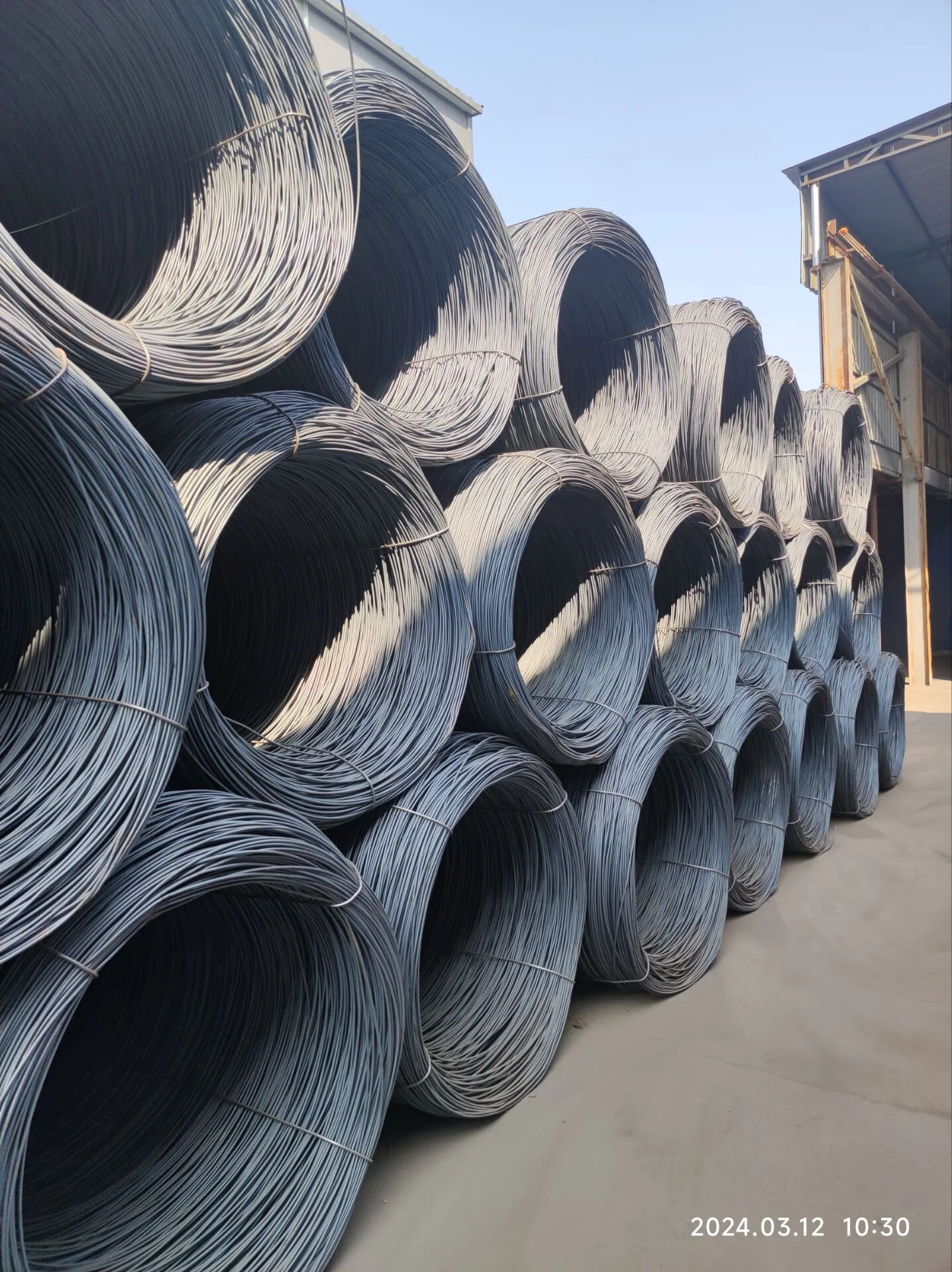
The production of 7/8 inch concrete nails typically begins with high-carbon steel wire, commonly SAE 1045 or equivalent. This steel grade is chosen for its balance of hardness, ductility, and weldability. The chemical composition is critical; carbon content generally ranges between 0.45% and 0.55%, with manganese levels between 0.60% and 0.90% to enhance hardenability and tensile strength. Sulfur and phosphorus content are tightly controlled, typically below 0.03% each, to prevent brittleness. The wire undergoes a drawing process to achieve the desired 7/8 inch diameter. Following wire drawing, the nails are formed through a cold heading process. This involves cutting the wire to length and then forcing it into a die to create the nail head. Precise die geometry is paramount to ensure consistent head dimensions and uniform material flow. A subsequent hardening and tempering heat treatment is crucial. Hardening, typically performed by quenching in oil, increases the nail’s hardness to facilitate penetration into concrete. Tempering, following quenching, reduces brittleness and improves toughness. Finally, a corrosion-resistant coating is applied. Common coatings include bright basic zinc plating, hot-dip galvanization (conforming to ASTM A153 standards), or epoxy coatings, selected based on the intended service environment and corrosion protection requirements. Precise control of cooling rates during heat treatment and coating thickness are key parameters impacting final product performance.
Performance & Engineering
The performance of 7/8 inch concrete nails is fundamentally governed by the interaction between the nail’s geometry, material properties, and the characteristics of the concrete substrate. Shear strength, the nail's resistance to lateral forces, is a primary concern, particularly in applications involving wind loads or seismic activity. Tensile strength, the nail's ability to withstand pulling forces, is crucial for applications where the load is primarily in tension. Engineering analysis involves calculating the shear and tensile capacities based on nail diameter, steel yield strength, and concrete compressive strength. The nail’s shank design – smooth versus ring shank – significantly impacts pull-out resistance. Ring shanks create mechanical interlocking with the concrete aggregate, increasing resistance to withdrawal. The nail’s tip geometry also plays a role; a diamond point facilitates initial penetration, while a blunt point reduces the risk of splitting the concrete. Environmental resistance is critical; corrosion can significantly reduce nail strength over time. Coatings, as previously discussed, provide a barrier against corrosion. Concrete alkalinity also influences corrosion rates; higher alkalinity generally provides greater protection. Compliance with building codes (IBC, UBC, etc.) mandates minimum performance requirements for concrete nails, including shear and tensile capacity, and coating durability. Force analysis, often employing finite element modeling (FEM), is used to predict nail behavior under various loading scenarios, ensuring structural integrity.
Technical Specifications
| Diameter (inches) | Length (inches) | Shank Type | Coating Type | Minimum Shear Strength (lbs) | Minimum Tensile Strength (lbs) |
|---|---|---|---|---|---|
| 0.75 - 0.78 | 0.875 | Smooth | Bright Basic Zinc | 150 | 80 |
| 0.75 - 0.78 | 0.875 | Ring Shank | Bright Basic Zinc | 220 | 120 |
| 0.75 - 0.78 | 0.875 | Smooth | Hot-Dip Galvanized | 160 | 90 |
| 0.75 - 0.78 | 0.875 | Ring Shank | Hot-Dip Galvanized | 240 | 140 |
| 0.75 - 0.78 | 0.875 | Smooth | Epoxy | 180 | 100 |
| 0.75 - 0.78 | 0.875 | Ring Shank | Epoxy | 260 | 160 |
Failure Mode & Maintenance
The primary failure modes for 7/8 inch concrete nails fall into several categories. Shear failure occurs when the nail is subjected to excessive lateral force, exceeding its shear strength. This often manifests as a brittle fracture near the nail head. Tensile failure, or pull-out, occurs when the nail is pulled from the concrete, exceeding its tensile capacity. This is more common with smooth shank nails. Corrosion is a significant long-term failure mechanism, especially in aggressive environments (e.g., coastal areas, industrial settings). Corrosion reduces the nail's cross-sectional area, weakening it and leading to premature failure. Hydrogen embrittlement can also occur, particularly with high-strength steel in the presence of moisture and certain corrosive agents. Fatigue cracking, though less common in static applications, can occur under cyclic loading, initiating at stress concentrations around the nail head or shank. Preventative maintenance is limited, as concrete nails are typically concealed after installation. However, selecting appropriate coatings and ensuring proper installation techniques are critical for maximizing service life. Regular inspections of exposed nails can identify signs of corrosion and allow for proactive replacement. If signs of structural distress are observed (e.g., cracking around nail locations), a structural engineer should be consulted to assess the situation and recommend remedial action. Failure analysis, involving metallurgical examination of fractured nails, can pinpoint the root cause of failure and inform future material selection and installation practices.
Industry FAQ
Q: What is the difference between a smooth shank and a ring shank concrete nail in terms of holding power?
A: Ring shank nails offer significantly higher pull-out resistance compared to smooth shank nails. The rings create a mechanical interlock with the concrete aggregate, requiring a greater force to withdraw the nail. Smooth shank nails rely primarily on friction, which is less effective, especially in applications subject to vibration or dynamic loading.
Q: How does the concrete compressive strength affect the performance of concrete nails?
A: Higher concrete compressive strength generally results in increased holding power for concrete nails. The stronger concrete provides greater resistance to nail pull-out and shear forces. However, excessively strong concrete can also increase the risk of splitting, particularly with smaller diameter nails.
Q: What is the expected service life of a hot-dip galvanized concrete nail in a coastal environment?
A: The service life of a hot-dip galvanized concrete nail in a coastal environment is highly variable, depending on chloride exposure levels, temperature, and humidity. Typically, a well-applied hot-dip galvanized coating can provide 20-30 years of corrosion protection, but regular inspections are recommended to identify any signs of deterioration.
Q: Are there any specific installation techniques that can improve the performance of concrete nails?
A: Proper nail gun pressure and angle are crucial for optimal performance. Nails should be driven perpendicular to the surface, avoiding bending or angling. Overdriving nails can damage the concrete and reduce holding power. Pre-drilling may be necessary for particularly hard concrete to prevent splitting.
Q: What are the key considerations when selecting a concrete nail coating for a specific application?
A: Coating selection should be based on the service environment. Bright basic zinc is suitable for relatively mild environments. Hot-dip galvanization provides superior corrosion protection for more aggressive environments. Epoxy coatings offer excellent chemical resistance and are ideal for applications involving exposure to corrosive chemicals.
Conclusion
7/8 inch concrete nails represent a vital fastening element within the construction industry, providing a cost-effective and relatively simple solution for securing materials to masonry substrates. Their performance is intrinsically linked to material science principles – the careful selection of high-carbon steel, precise heat treatment, and appropriate corrosion protection – alongside engineering considerations related to shear and tensile strength, substrate characteristics, and environmental factors. Understanding these interdependencies is paramount for ensuring structural integrity and long-term durability.
Moving forward, advancements in coating technologies, such as the development of more robust and environmentally friendly alternatives to traditional galvanization, will likely play a significant role in extending the service life of concrete nails. Furthermore, increased adoption of finite element analysis (FEA) for optimizing nail geometry and predicting performance under complex loading conditions will contribute to improved design practices and reduced failure rates. Careful consideration of these factors will contribute to the continued safe and reliable application of 7/8 inch concrete nails in a wide range of construction projects.