



Introduction
Coarse screws, characterized by a lower threads-per-inch (TPI) count compared to fine screws, are fundamental fastening elements across a diverse range of industries, including construction, automotive, woodworking, and general manufacturing. Their primary function is to securely join materials by converting rotational motion into linear clamping force. Within the industrial supply chain, coarse screws occupy a critical position, bridging the gap between raw material suppliers (steel, alloy, and polymer producers) and downstream assembly operations. Core performance metrics for coarse screws include tensile strength, shear strength, stripping resistance, and corrosion resistance. The widespread adoption of coarse screws stems from their enhanced tolerance to cross-threading, quicker installation speed, and ability to provide robust holding power, particularly in softer materials or applications subjected to dynamic loads. However, their larger thread pitch can compromise precision in applications demanding fine adjustments.
Material Science & Manufacturing
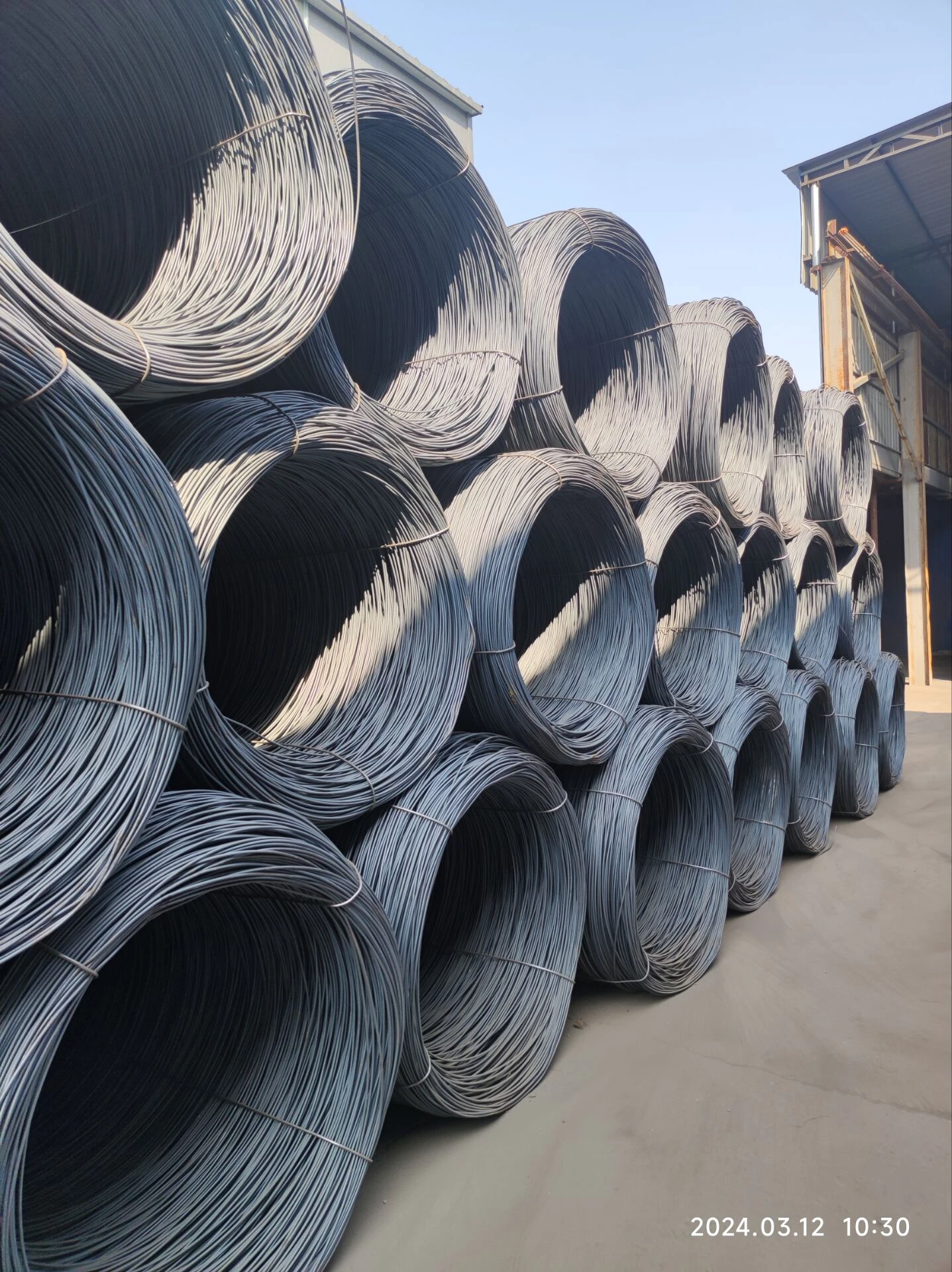
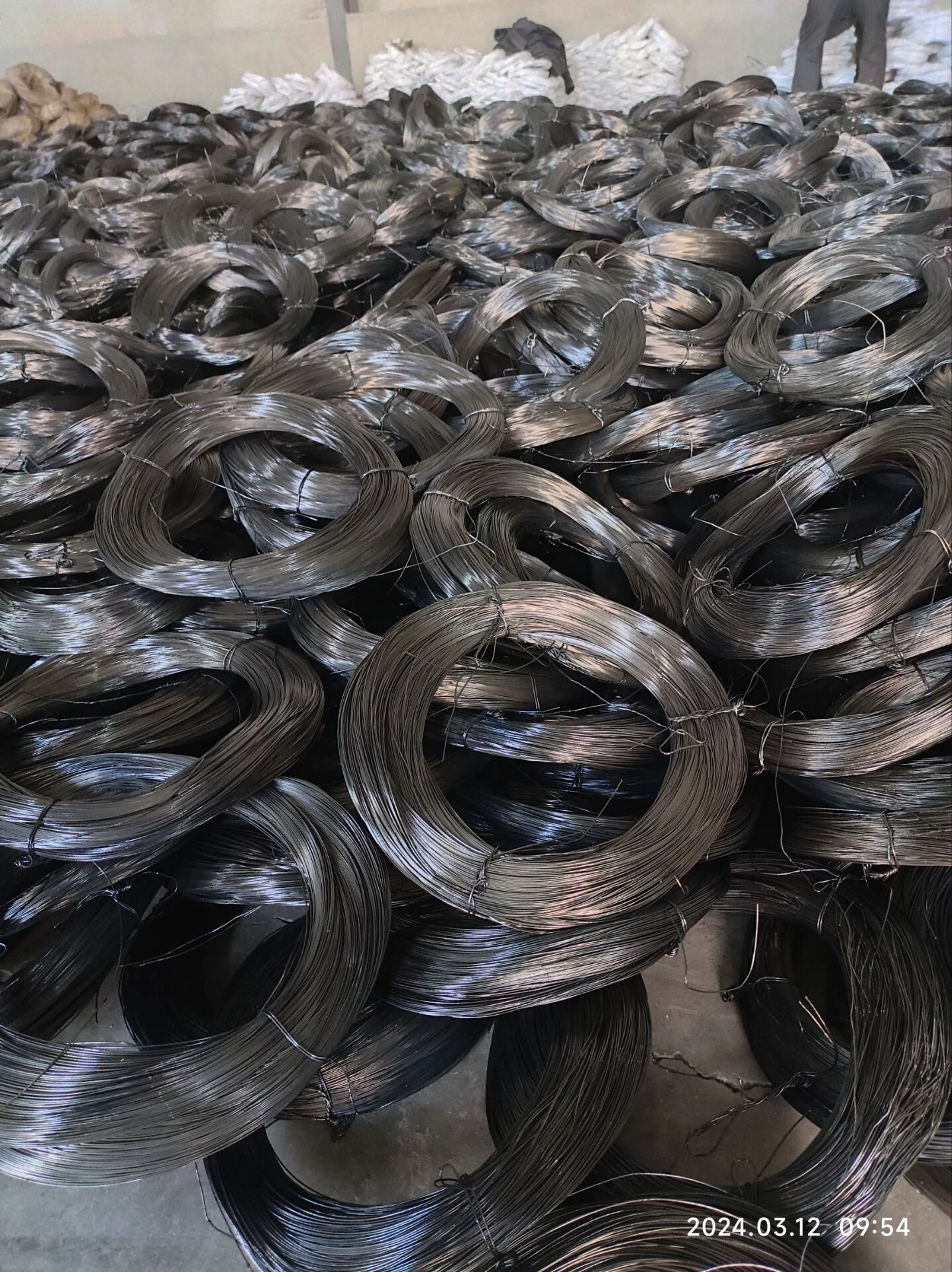
The dominant material for coarse screw manufacture is carbon steel, specifically medium-carbon steels like AISI 1018 and 1045, offering a balance of strength, ductility, and cost-effectiveness. Alloy steels, such as alloy 4140, are employed in high-strength applications requiring enhanced fatigue resistance and toughness. Stainless steels (304, 316) provide superior corrosion resistance for outdoor or corrosive environments. Polymer screws, typically utilizing nylon or polypropylene, are suitable for applications where electrical insulation or lightweight properties are paramount. Manufacturing processes vary based on screw size and production volume. Cold heading is prevalent for high-volume production of smaller screws, involving the deformation of wire stock between dies to form the screw head and thread. For larger screws or specialized designs, machining from bar stock is employed, offering greater flexibility but at a higher cost. Thread rolling, a process of plastically deforming the screw blank to create the thread form, is favored for its efficiency and improved mechanical properties compared to thread cutting. Critical parameters during manufacturing include die lubrication (in cold heading), cutting speed and feed rate (in machining), and roll pressure (in thread rolling). Heat treatment, such as hardening and tempering, is crucial to achieving the desired mechanical properties, specifically Rockwell hardness (HRC) and yield strength. Surface treatments, including zinc plating, black oxide coating, and phosphate coating, are applied to enhance corrosion resistance and improve aesthetic appearance. Maintaining precise dimensional control throughout the manufacturing process, adhering to tolerances specified in standards like ISO 683, is vital for ensuring proper fit and function.
Performance & Engineering
The performance of coarse screws is critically dependent on several engineering principles. Force analysis focuses on tensile load (resistance to pulling force), shear load (resistance to sideways force), and torsional load (resistance to twisting force). Tensile strength is determined by the screw's material, diameter, and stress area. Shear strength is particularly important in applications where screws are subjected to lateral forces. Stripping resistance, the screw's ability to withstand excessive torque without damaging the thread, is influenced by the thread geometry, material hardness, and lubrication. Environmental resistance is a major concern, particularly in outdoor applications. Corrosion resistance, as discussed previously, depends on the material and surface treatment. Temperature fluctuations can affect the screw's mechanical properties and induce thermal expansion or contraction, potentially loosening the joint. Compliance requirements vary based on industry and application. For example, fasteners used in aerospace applications must meet stringent standards regarding material traceability, mechanical properties, and dimensional accuracy (e.g., AMS standards). Automotive applications require adherence to standards related to corrosion resistance and fatigue life (e.g., IATF 16949). Functional implementation involves selecting the appropriate screw size, length, and material based on the load requirements, environmental conditions, and joining materials. Pre-drilling pilot holes is often necessary to prevent splitting or damage to the joined materials. Proper torque control during installation is crucial to ensure adequate clamping force without stripping the threads. The thread engagement length also dictates holding power; a longer engagement provides a more secure joint.
Technical Specifications
| Diameter (mm) | Threads per Inch (TPI) | Tensile Strength (MPa) | Shear Strength (MPa) |
|---|---|---|---|
| M6 | 1.0 | 800 | 600 |
| M8 | 1.25 | 850 | 650 |
| M10 | 1.5 | 900 | 700 |
| M12 | 1.75 | 950 | 750 |
| M16 | 2.0 | 1000 | 800 |
| M20 | 2.5 | 1050 | 850 |
Failure Mode & Maintenance
Coarse screws are susceptible to several failure modes. Fatigue cracking, caused by repeated loading and unloading, can occur in the screw shank or thread. This is particularly prevalent in applications with dynamic loads or vibration. Stripping of the threads, either in the screw itself or in the receiving material, results from exceeding the screw's torsional limit. Corrosion, especially in environments containing chlorides or other corrosive agents, can weaken the screw and lead to failure. Hydrogen embrittlement, a phenomenon affecting high-strength steel screws, can cause brittle fracture in the presence of hydrogen. Shear failure occurs when the screw is subjected to excessive shear force, exceeding its shear strength. Galvanic corrosion can occur when dissimilar metals are in contact in a corrosive environment. Maintenance involves regular inspection for signs of corrosion, fatigue cracking, or stripping. Lubrication with appropriate threadlocker compounds can prevent loosening and protect against corrosion. For applications in harsh environments, periodic replacement of screws is recommended to prevent catastrophic failure. When replacing screws, it’s vital to use fasteners of the same material and grade to maintain consistent performance and avoid introducing galvanic corrosion. Torque wrenches should be used during installation to ensure correct clamping force and prevent over-tightening, which can lead to stripping or fatigue failure. Identifying the root cause of failure through metallurgical analysis (fractography) is critical for implementing corrective actions and preventing recurrence.
Industry FAQ
Q: What is the primary difference between a coarse thread and a fine thread screw in terms of shear strength?
A: While the tensile strength can be similar for screws of the same material and diameter, coarse threads generally exhibit slightly lower shear strength. This is because the larger thread pitch reduces the effective load-bearing area. However, coarse threads provide greater resistance to stripping due to the larger thread form.
Q: What material selection considerations are crucial when using screws in a marine environment?
A: Stainless steel (316 grade is highly recommended) is essential due to its superior resistance to chloride-induced corrosion. Avoid carbon steel screws unless they are heavily coated with a corrosion-resistant finish like hot-dip galvanization. Consider using polymeric materials like nylon in specific applications where galvanic corrosion with other metal components is a concern.
Q: How does heat treatment affect the performance of coarse screws?
A: Heat treatment, specifically hardening and tempering, significantly impacts the screw's mechanical properties. Hardening increases the steel's hardness and strength, while tempering improves ductility and toughness, reducing brittleness. Proper heat treatment ensures the screw can withstand the intended load without fracturing or deforming.
Q: What torque specifications should be considered during the installation of coarse screws into aluminum?
A: Aluminum is a relatively soft material, so lower torque values are crucial to prevent stripping the threads. Consult the screw manufacturer's recommendations and utilize a torque wrench. Applying threadlocker compounds designed for aluminum can reduce the risk of loosening and enhance corrosion resistance.
Q: What is the impact of thread engagement length on the holding power of a coarse screw?
A: Longer thread engagement provides significantly greater holding power. The screw relies on the shear strength of the threads to resist pull-out forces. Increasing the length of thread engaged in the material distributes the load over a larger area, improving resistance to failure. As a rule of thumb, the thread engagement length should be at least 1.5 times the screw diameter.
Conclusion
Coarse screws represent a versatile and essential fastening solution across numerous industries, offering a robust and reliable means of joining materials. Their inherent advantages – tolerance to cross-threading, rapid installation, and robust holding power – make them a preferred choice in many applications. However, understanding the intricacies of their material science, manufacturing processes, and potential failure modes is paramount to ensuring optimal performance and longevity. Proper material selection, adherence to manufacturing standards, and meticulous installation procedures are critical for maximizing the benefits and mitigating the risks associated with coarse screw usage.
Looking ahead, advancements in materials science, such as the development of high-strength, corrosion-resistant alloys, and innovative surface treatments, will continue to enhance the performance capabilities of coarse screws. Furthermore, the increasing adoption of digital torque control systems and predictive maintenance strategies will optimize installation processes and proactively identify potential failures. A continued emphasis on standardization and rigorous quality control will remain essential for maintaining the reliability and safety of these ubiquitous fastening elements.