



Introduction
Drylining screws are mechanical fasteners integral to the modern construction industry, specifically employed in the installation of drywall (plasterboard) to timber or metal framing. They represent a significant advancement over traditional nailing methods, providing superior holding power, reduced drywall damage, and faster installation times. This technical guide details the material science, manufacturing processes, performance characteristics, potential failure modes, and relevant industry standards pertaining to drylining screws. Their position within the construction supply chain is critical, serving as a direct interface between structural framing and the finished interior surface. Core performance aspects encompass shear strength, tensile strength, corrosion resistance, and screw penetration depth, all directly impacting the structural integrity and longevity of drywall systems. Understanding these parameters is crucial for architects, engineers, contractors, and procurement professionals to ensure proper specification and application, mitigating risks associated with system failure and ensuring building code compliance.
Material Science & Manufacturing
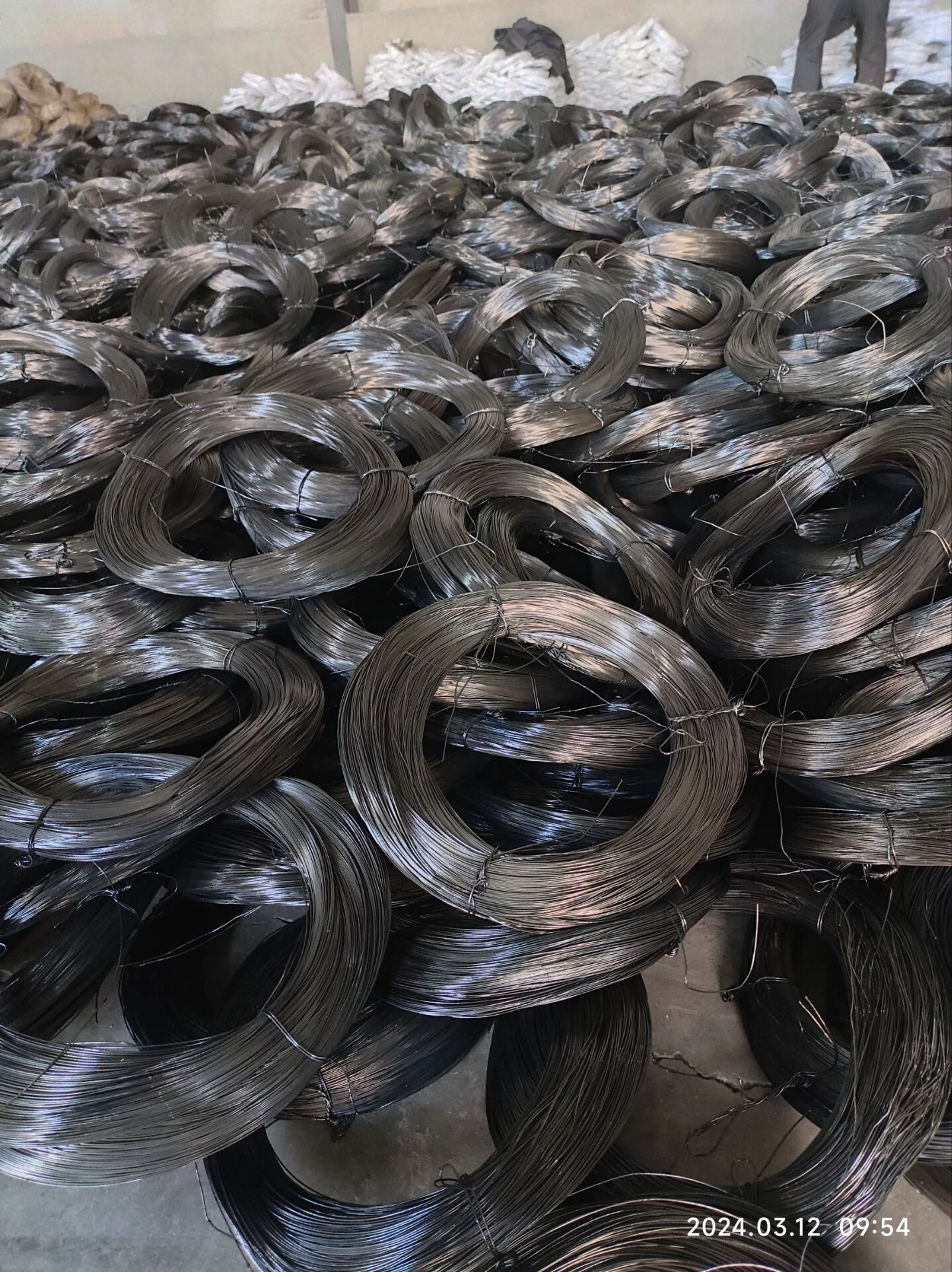
Drylining screws are predominantly manufactured from hardened carbon steel, typically AISI 1022 or equivalent. The steel undergoes a series of processes to enhance its mechanical properties and corrosion resistance. Initial material selection focuses on achieving a balance between ductility and hardness, ensuring the screw can withstand bending forces during installation without fracturing while maintaining sufficient strength for long-term load bearing. Manufacturing begins with cold heading, a process where wire stock is fed into a die and formed into the screw’s basic shape. This cold working increases the steel's tensile strength. Following heading, the screws are thread rolled, not cut, to avoid disrupting the grain structure of the steel, which would reduce fatigue resistance. Heat treatment is a critical step, involving hardening and tempering. Hardening increases the steel's strength, but also makes it brittle. Tempering reduces brittleness, improving toughness. A phosphate coating, commonly zinc phosphate, is applied to provide a base for subsequent corrosion protection. Finally, the screws receive a coating – either zinc, galvanized zinc, or occasionally, for specialized applications, stainless steel. The type of coating directly influences the screw’s corrosion resistance in varying environmental conditions. Critical manufacturing parameters include die calibration for thread accuracy, control of heating and cooling rates during heat treatment to achieve desired hardness levels (typically Rockwell C 32-36), and consistent coating thickness. Variations in any of these parameters can significantly affect screw performance and lead to premature failure.
Performance & Engineering
The performance of drylining screws is dictated by several engineering considerations. Shear strength, the screw’s resistance to forces acting parallel to its axis, is paramount, particularly when resisting lateral loads on the drywall. Tensile strength, the screw’s resistance to forces acting perpendicular to its axis, is important for preventing pull-through, especially when attaching to thinner framing members. The screw’s point geometry (sharp, blunt, or self-drilling) impacts its ability to penetrate the drywall and framing material. Sharp points require less force for initial penetration but can damage the drywall surface. Self-drilling points are used for metal framing, minimizing the need for pre-drilling. Environmental resistance is crucial, particularly in areas with high humidity or corrosive atmospheres. Coating type and thickness directly impact the screw’s resistance to oxidation and corrosion. Compliance requirements, outlined in building codes and standards like ASTM C1002, dictate minimum performance criteria for drylining screws, including withdrawal resistance, shear strength, and coating durability. Force analysis during installation is also critical. Excessive torque can strip the screw head or damage the drywall, while insufficient torque results in inadequate holding power. The screw’s thread design – coarse or fine – influences its holding power in different materials. Coarse threads are generally preferred for wood framing, while fine threads are more suitable for metal framing. The embedment depth of the screw into the framing member is a significant factor, impacting both pull-out resistance and the drywall’s ability to transfer loads to the structure.
Technical Specifications
| Screw Diameter (mm) | Screw Length (mm) | Head Type | Coating Type |
|---|---|---|---|
| 3.5 | 25 | Bugle | Zinc Plated |
| 3.5 | 38 | Bugle | Galvanized Zinc |
| 3.5 | 57 | Bugle | Zinc Plated |
| 4.2 | 38 | Bugle | Galvanized Zinc |
| 4.2 | 57 | Bugle | Zinc Plated |
| 4.2 | 75 | Bugle | Stainless Steel (Type 304) |
Failure Mode & Maintenance
Drylining screw failures typically fall into several categories. Fatigue cracking can occur under cyclical loading, particularly in high-vibration environments. This is often linked to manufacturing defects, such as inclusions in the steel or inconsistencies in heat treatment. Shear failure happens when the screw’s shear strength is exceeded, often due to excessive lateral loads or improper screw selection. Withdrawal failure results from the screw losing its grip on the framing member, commonly caused by insufficient embedment depth or damage to the framing material. Corrosion is a significant failure mode, especially in humid or corrosive environments. Inadequate coating thickness or coating damage can accelerate corrosion, weakening the screw and eventually leading to failure. Hydrogen embrittlement can occur in high-strength steel screws exposed to certain corrosive environments, leading to brittle fracture. Maintenance is generally limited to inspection for corrosion or loosening. Regular visual inspections, particularly in critical applications, can identify potential problems before they lead to failure. If screws are found to be corroded or loose, they should be replaced with screws of the appropriate type and size. Preventative measures include selecting screws with appropriate corrosion resistance for the environmental conditions and ensuring proper installation techniques are followed, including correct torque settings and sufficient embedment depth. Avoid overdriving screws, as this can strip the drywall and reduce holding power.
Industry FAQ
Q: What is the impact of screw gauge on drywall system performance?
A: Screw gauge (diameter) directly influences the screw’s load-bearing capacity. Thicker screws offer higher shear and tensile strength but require more torque for installation and can potentially split wood framing. Selecting the appropriate gauge is crucial, balancing holding power with the risk of damage to the substrate. Thinner screws are suitable for lighter-duty applications or when attaching to thinner framing, while thicker screws are necessary for heavier loads or thicker framing.
Q: How does phosphate coating contribute to corrosion resistance?
A: Phosphate coating, typically zinc phosphate, acts as a conversion coating, chemically reacting with the steel surface to create a layer that improves adhesion for subsequent coatings, like zinc or galvanized zinc. It also provides a degree of passive corrosion resistance by creating a barrier against corrosive agents. While not a standalone corrosion protection solution, it significantly enhances the performance of the final coating.
Q: What are the key differences between zinc and galvanized zinc coatings?
A: Both zinc and galvanized zinc coatings provide sacrificial corrosion protection. Galvanized zinc involves a thicker layer of zinc applied through a hot-dip process, offering superior corrosion resistance compared to electroplated zinc. Galvanized zinc is preferred for exterior applications or environments with high humidity and salt exposure. Zinc plating is often sufficient for interior, dry environments.
Q: What is the recommended torque setting for installing drylining screws?
A: Recommended torque settings vary depending on the screw type, size, and framing material. Generally, using a torque-controlled driver is crucial. Over-torquing can strip the screw head or damage the drywall, while under-torquing results in insufficient holding power. Refer to the screw manufacturer’s specifications for precise torque recommendations. Typically, settings range between 1500-2500 RPM for a typical drywall gun.
Q: How do different screw point types affect installation and performance?
A: Screw point types are tailored to the application. Sharp points are suitable for general drywall installation into wood framing, offering good penetration. Self-drilling points are designed for metal framing, eliminating the need for pre-drilling and reducing installation time. Blunt points are used in specific applications where minimal surface damage is required.
Conclusion
Drylining screws are critical fastening components in modern construction, demanding careful consideration of material properties, manufacturing processes, and performance characteristics. The selection of appropriate screw type, size, and coating is paramount to ensuring the structural integrity and longevity of drywall systems. Understanding the potential failure modes, such as fatigue cracking, shear failure, and corrosion, is essential for proper installation and maintenance practices.
Adhering to relevant industry standards and employing torque-controlled installation techniques are fundamental to preventing premature failure and maximizing the performance of drylining screw installations. Future advancements may focus on developing more durable coatings, innovative screw designs to enhance shear resistance, and automated installation systems to improve consistency and efficiency. Ultimately, a comprehensive understanding of drylining screw technology is vital for all stakeholders involved in the construction process.