



Introduction
Drywall black screws, also known as Type S or phosphate-coated drywall screws, are a crucial fastening element in the construction industry, specifically for drywall installation onto wood or metal studs. They represent a specialized subset of the broader screw fastener market, distinguished by their hardened steel composition, black phosphate coating, and optimized thread design. Unlike standard screws, drywall black screws are engineered for shear strength and precise penetration without fracturing the drywall paper face. Their positioning within the building materials supply chain is post-framing, integral to the finishing stages of interior construction. Core performance characteristics revolve around consistent screw depth, reduced cam-out, and resistance to stripping, all contributing to a structurally sound and aesthetically acceptable drywall installation. The increasing demand for faster, more efficient construction techniques has elevated the importance of reliable, high-performance drywall screws like these, necessitating stringent quality control and adherence to industry standards.
Material Science & Manufacturing
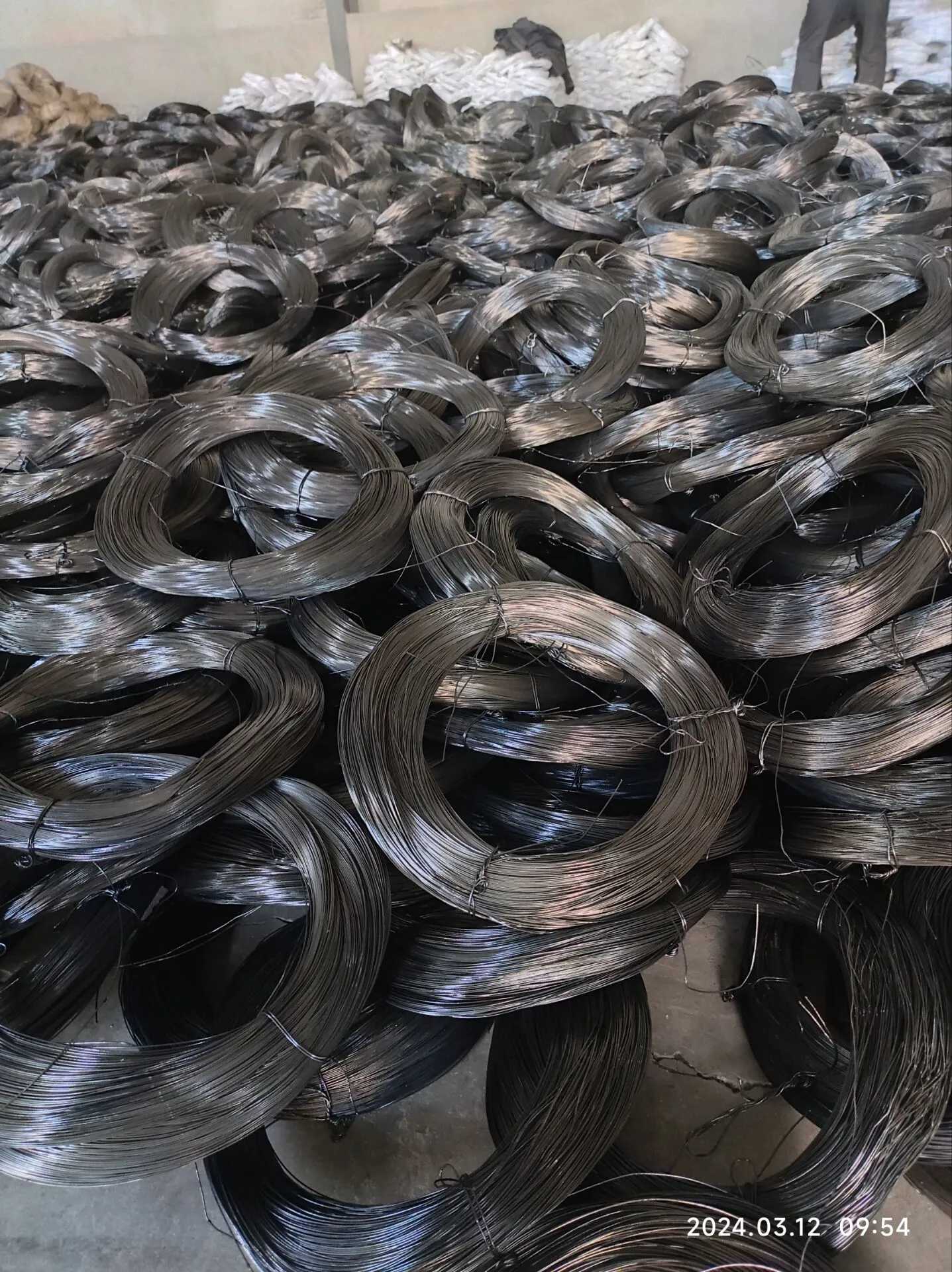
The core material of a drywall black screw is typically medium-carbon steel, specifically C1022 or similar grades, chosen for its balance of hardness, ductility, and cost-effectiveness. The steel undergoes a cold heading process where wire is fed into dies and formed into the screw shape. This cold working increases the material's tensile strength. Critical parameters during cold heading include die geometry, feed rate, and lubrication to prevent material galling and ensure consistent head formation. Following heading, the screws are thread rolled, not cut, which imparts compressive stresses to the surface, enhancing fatigue resistance. The phosphate coating, applied via a chemical immersion process, is a crucial aspect of the manufacturing process. This zinc phosphate coating provides corrosion resistance, improves paint adhesion, and significantly reduces the screw’s coefficient of friction, minimizing cam-out during installation. The coating thickness is typically 5-10 micrometers and is carefully controlled through bath composition, temperature, and immersion time. Quality control involves regular coating thickness measurements and salt spray testing to verify corrosion protection. The screw head is often Bugle-headed to minimise damage to the paper facing of the drywall, and this head geometry requires precise die design and monitoring. Heat treatment processes, such as quenching and tempering, are applied to achieve the desired Rockwell hardness (typically C18-C22) which determines the screw’s ability to penetrate drywall and resist stripping.
Performance & Engineering
The performance of drywall black screws is dictated by several key engineering principles. Shear strength is paramount, as these screws are primarily responsible for resisting lateral loads. The screw’s thread design, typically a coarse thread for wood studs and a fine thread for metal studs, directly impacts its pullout resistance and holding power. Finite Element Analysis (FEA) is often employed during the design phase to optimize thread geometry and ensure adequate stress distribution. Environmental resistance is addressed by the phosphate coating, protecting against corrosion in typical indoor environments. However, prolonged exposure to high humidity or corrosive substances can compromise the coating and lead to rust formation. Compliance with building codes, such as the International Building Code (IBC), dictates the required screw spacing and penetration depth to ensure structural integrity. A critical failure mode to consider is screw fatigue under cyclical loading. Factors influencing fatigue life include screw material, coating quality, installation torque, and the magnitude and frequency of applied loads. Proper installation torque is crucial; over-torquing can strip the screw hole or fracture the screw head, while under-torquing reduces holding power. The screw’s point geometry also impacts its performance; a sharp, self-drilling point minimizes pre-drilling requirements and reduces installation time.
Technical Specifications
| Parameter | Unit | Type S (Wood Studs) | Type S (Metal Studs) |
|---|---|---|---|
| Screw Diameter | inches | 0.148 | 0.148 |
| Screw Length | inches | 1 5/8", 2", 2 1/2" | 1", 1 1/4", 1 5/8" |
| Head Type | - | Bugle | Bugle |
| Point Style | - | Sharp | Self-Drilling |
| Material | - | C1022 Steel | C1022 Steel |
| Coating | - | Zinc Phosphate | Zinc Phosphate |
| Minimum Tensile Strength | PSI | 120,000 | 120,000 |
| Rockwell Hardness | HRC | 18-22 | 18-22 |
| Shear Strength | lbs | >80 | >75 |
Failure Mode & Maintenance
Drywall black screws are susceptible to several failure modes during and after installation. Striped screw holes are a common issue, often resulting from over-torquing or using the incorrect screw type for the substrate. This leads to a loss of holding power and potential drywall sagging. Corrosion, particularly in humid environments, can weaken the screw and cause staining. The phosphate coating, while protective, is not impervious to moisture and can degrade over time. Hydrogen embrittlement, a phenomenon where hydrogen atoms diffuse into the steel, can occur under certain corrosive conditions, making the screw brittle and prone to fracture. Fatigue cracking can develop under cyclical loading, particularly in areas subject to vibration or impact. Shear failure, where the screw snaps due to excessive lateral force, can occur if the screw is not properly sized or spaced. Delamination of the drywall around the screw head, though less common, can occur if the screw is driven too aggressively or the drywall paper is compromised. Preventative maintenance is limited, but proper installation techniques are critical. Avoid over-torquing, use the correct screw type for the substrate, and ensure adequate ventilation to minimize humidity. If corrosion is detected, replace the affected screws promptly. Periodic inspection of drywall installations, particularly in areas prone to moisture, can help identify and address potential issues before they escalate.
Industry FAQ
Q: What is the primary difference between Type S drywall screws and standard drywall screws?
A: Type S drywall screws are hardened and phosphate-coated, offering significantly greater shear strength and corrosion resistance compared to standard drywall screws. Standard screws are typically softer and more prone to stripping and corrosion, making them unsuitable for demanding applications or environments with higher humidity.
Q: What torque setting should be used when installing drywall black screws?
A: The recommended torque setting varies depending on the stud material (wood or metal) and the screw length. Generally, a torque setting of 1500-2500 RPM with a depth-sensing drywall gun is recommended for wood studs, while 1000-1500 RPM is typical for metal studs. Overtorquing is a common issue, so depth-sensing guns are crucial.
Q: How does the phosphate coating contribute to screw performance?
A: The phosphate coating provides several benefits. It enhances corrosion resistance, reduces friction during installation (minimizing cam-out), and improves paint adhesion. This results in a more durable and aesthetically pleasing finish.
Q: What steps can be taken to prevent screw stripping during installation?
A: Ensure you are using the correct screw type for the substrate, avoid over-torquing, use a depth-sensing drywall gun, and maintain a consistent installation speed. Pre-drilling pilot holes may be necessary in certain hardwood applications.
Q: What is the expected lifespan of a drywall black screw installation in a typical indoor environment?
A: In a typical indoor environment with moderate humidity, a properly installed drywall black screw installation can have a lifespan exceeding 50 years. However, prolonged exposure to high humidity or corrosive substances can significantly reduce the lifespan due to corrosion.
Conclusion
Drywall black screws represent a specialized and essential fastening solution within the building construction industry. Their engineered design, utilizing hardened steel, phosphate coating, and optimized thread geometries, provides superior performance characteristics in terms of shear strength, corrosion resistance, and installation efficiency. Understanding the material science behind these screws, coupled with adherence to proper installation techniques and relevant building codes, is critical for ensuring long-term structural integrity and preventing premature failure.
Future trends in drywall screw technology may focus on developing even more corrosion-resistant coatings, such as advanced polymer blends, and incorporating features to further reduce installation time and improve screw holding power. The increasing adoption of sustainable building practices may also drive demand for screws made from recycled materials or with reduced environmental impact. Ongoing research and development are essential to meet the evolving demands of the construction industry and ensure the continued reliability of these critical fasteners.