



Introduction
Drywall screws are a critical fastening component within the building construction industry, specifically utilized for the attachment of drywall (gypsum board) to wood or metal framing. Positioned as a specialized subset of the broader fastener market, they represent a significant volume product characterized by a high degree of standardization and, increasingly, performance-driven specifications. Their technical importance extends beyond simple attachment; they directly influence the structural integrity, fire resistance, and aesthetic quality of interior walls and ceilings. Core performance characteristics encompass shear strength, tensile strength, withdrawal resistance, and corrosion protection. The selection of appropriate drywall screw types – categorized by head style, thread type, and material composition – is paramount to achieving optimal performance and preventing premature fastener failure, a common source of costly rework in construction projects. The industry faces pain points surrounding consistent screw performance, particularly in emerging building materials and evolving framing techniques, and ensuring compliance with increasingly stringent building codes regarding fire safety and structural load-bearing capacity.
Material Science & Manufacturing
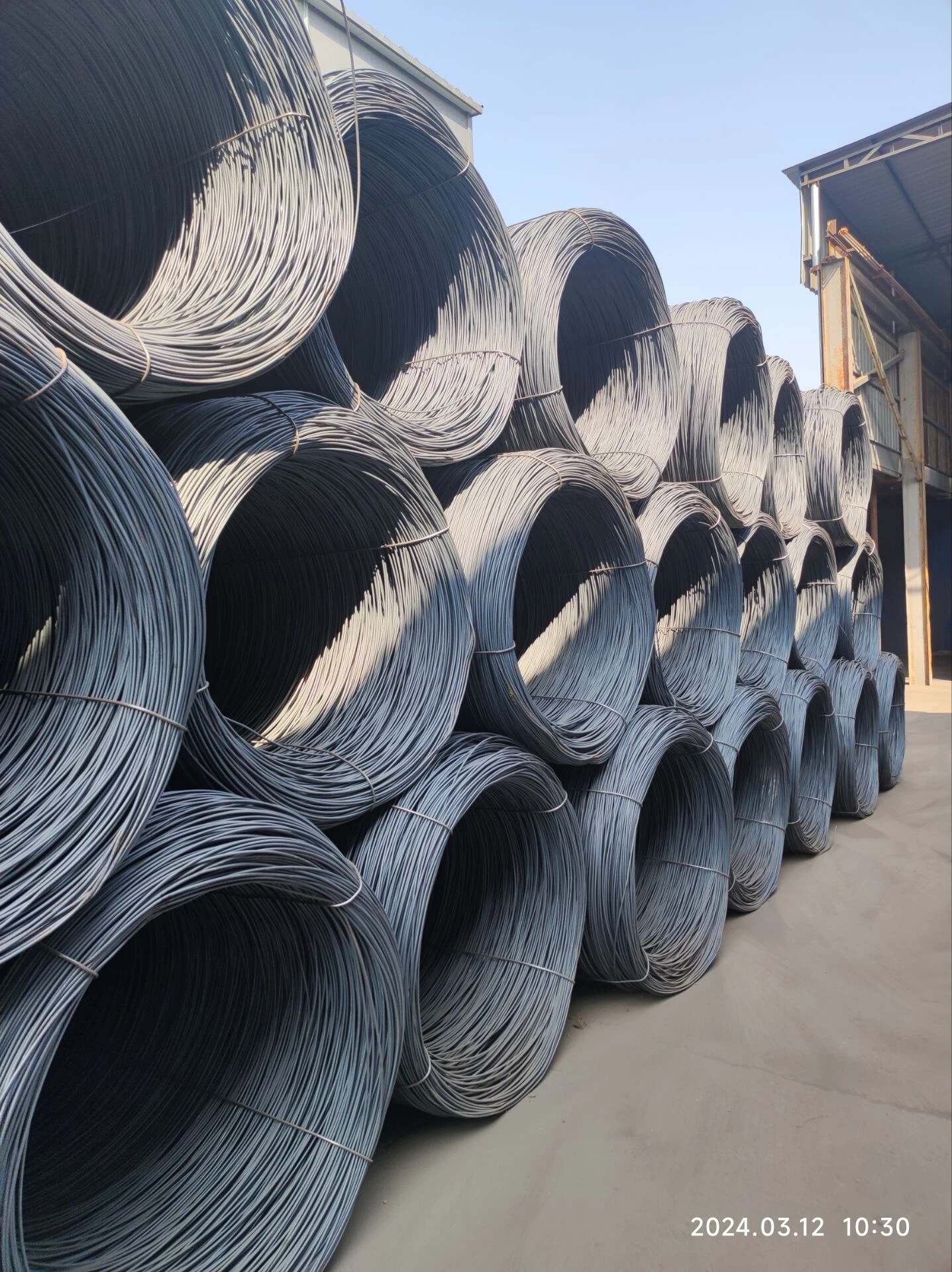
Drywall screws are predominantly manufactured from hardened steel, specifically carbon steel conforming to SAE 1022 or equivalent specifications. This steel is selected for its balance of strength, ductility, and cost-effectiveness. The manufacturing process begins with cold heading, where wire stock is fed into a heading machine that forms the screw head. This process work-hardens the steel, increasing its tensile strength. Following heading, the screws undergo thread rolling, employing hardened dies to impress the screw thread profile onto the shank. Precise control of die pressure and feed rate is critical to achieve consistent thread geometry and prevent cracking. The screws are then heat-treated, typically through a process of carburization or nitriding, to further enhance surface hardness and wear resistance. Phosphate coating, often zinc phosphate, is applied to improve corrosion resistance and provide a receptive surface for subsequent lubrication. Screw points are typically sharpened using a grinding process, although self-drilling screws feature a specialized point geometry achieved through milling or forming. Key parameter control centers around steel composition (carbon content, manganese, phosphorus), heat treatment temperature and duration, phosphate coating thickness, and thread profile accuracy. Material compatibility concerns involve the potential for galvanic corrosion when using screws with differing metallic coatings in contact with dissimilar framing materials. The selection of appropriate steel grade and coating is essential to mitigate this risk.
Performance & Engineering
The performance of drywall screws is dictated by a complex interplay of material properties and geometric design. Force analysis considers tensile load (resistance to pulling out), shear load (resistance to sideways force), and withdrawal resistance (resistance to being pulled out of the substrate after installation). Screw length and diameter directly impact these parameters, with longer and wider screws generally providing higher load-carrying capacity. Thread design – encompassing thread pitch, thread angle, and thread depth – influences both holding power and installation torque. The screw head geometry, particularly the bugle angle, is critical for achieving a flush or countersunk finish without tearing the drywall paper face. Environmental resistance is a significant concern, particularly in humid climates or areas prone to corrosive environments. Corrosion protection is enhanced through phosphate coating and, in some cases, the application of specialized coatings such as ceramic or epoxy. Compliance requirements vary by jurisdiction but generally adhere to ASTM C1002 (Standard Specification for Drywall Screws) and relevant building codes regarding fire resistance and structural performance. Engineering considerations include the selection of screw type based on framing material (wood or metal), drywall thickness, and anticipated load conditions. Finite element analysis (FEA) is increasingly employed to optimize screw design and predict performance under various loading scenarios.
Technical Specifications
| Screw Diameter (inches) | Screw Length (inches) | Tensile Strength (PSI) | Shear Strength (PSI) |
|---|---|---|---|
| #6 | 1 1/4 | 90,000 | 60,000 |
| #7 | 1 5/8 | 95,000 | 65,000 |
| #8 | 1 5/8 | 100,000 | 70,000 |
| #8 | 2 1/2 | 100,000 | 70,000 |
| #9 | 2 1/2 | 110,000 | 75,000 |
| #10 | 3 | 120,000 | 80,000 |
Failure Mode & Maintenance
Drywall screw failure commonly manifests in several modes. Fatigue cracking can occur under sustained cyclical loading, particularly in areas subject to vibration or thermal expansion/contraction. Shear failure results from exceeding the screw's shear strength, often due to excessive weight or impact. Withdrawal failure arises when the screw loses its grip on the substrate, typically due to improper installation or insufficient screw length. Corrosion, particularly in environments with high humidity or corrosive substances, can lead to weakening of the screw material and eventual failure. Delamination of the drywall itself around the screw head can also indicate overdriving or improper screw selection. Maintenance primarily focuses on preventative measures. This includes proper screw selection based on application requirements, correct installation techniques (avoiding overdriving or stripping), and environmental control to minimize corrosion. If screw failures are observed, a comprehensive inspection of the surrounding area is warranted to identify the root cause and implement corrective actions, such as reinforcing the framing or replacing damaged drywall. Regular visual inspections, particularly in critical applications, can help detect early signs of corrosion or loosening.
Industry FAQ
Q: What is the difference between Type A and Type AB drywall screws, and when should each be used?
A: Type A screws are designed for wood framing and have a coarser thread. Type AB screws are designed for both wood and metal framing, featuring a sharper point and finer threads to penetrate metal studs. Using a Type A screw in metal framing will likely result in stripping and poor holding power, while using a Type AB screw in softwood can sometimes cause splitting.
Q: How does the phosphate coating contribute to corrosion resistance?
A: The phosphate coating, typically zinc phosphate, creates a protective layer on the steel surface that inhibits corrosion by acting as a barrier and promoting the adhesion of subsequent coatings (like lubrication). While not impervious to corrosion, it significantly increases the screw's resistance to rust and environmental degradation compared to uncoated steel.
Q: What torque setting should be used when installing drywall screws with a screw gun?
A: The appropriate torque setting depends on the screw length, drywall thickness, and framing material. A common starting point is 1500-2000 RPM with a clutch set to a low-medium setting. The goal is to fully seat the screw head without breaking the drywall paper. Overdriving will significantly reduce holding power.
Q: What are the implications of using a screw with an incorrect head type (e.g., flat head in a dimpled drywall board)?
A: Using an incorrect head type can lead to several issues. A flat head in dimpled board won't seat properly, creating a bulge and potential for cracking the drywall paper. This compromises the structural integrity and aesthetic finish. Bugle head screws are specifically designed for dimpled boards.
Q: Can drywall screws be reused?
A: Drywall screws are generally not recommended for reuse. Once installed and removed, the threads become damaged and the protective coating is compromised, reducing their holding power and corrosion resistance. Reusing screws risks a compromised connection and potential failure.
Conclusion
Drywall screws represent a deceptively complex fastening technology, playing a vital role in the structural integrity and aesthetic quality of interior construction. The selection and proper installation of these fasteners requires a thorough understanding of material science, engineering principles, and relevant industry standards. Ongoing challenges include adapting to new building materials, addressing evolving performance requirements, and minimizing the risk of premature failure through optimized design and quality control.
Future developments will likely focus on the integration of advanced coatings for enhanced corrosion resistance, the development of self-driving screws with improved penetration characteristics, and the implementation of intelligent fastening systems that provide real-time feedback on installation torque and screw performance. Maintaining a consistent focus on these technical advancements is crucial for ensuring the long-term durability and safety of building structures.