



Introduction
Drywall screws for ceiling applications represent a specialized subset of fastening solutions critical to the structural integrity and safety of interior building systems. Unlike standard drywall screws intended for wallboard attachment, ceiling screws are engineered with specific design features and material compositions to address the unique loading conditions and performance demands associated with overhead installations. These screws must counteract gravity, resist shear forces, and maintain secure attachment over extended periods, mitigating the risk of ceiling failure. The industry chain encompasses raw material suppliers (steel, zinc, coatings), screw manufacturers employing cold heading and thread rolling processes, quality control and testing facilities, and ultimately, construction professionals responsible for installation. Core performance characteristics include tensile strength, shear strength, corrosion resistance, and point design for efficient penetration into ceiling joists and drywall. Selection criteria are driven by load requirements, drywall thickness, and environmental conditions, with a growing emphasis on specialized screws designed for resilient channels and acoustic performance.
Material Science & Manufacturing
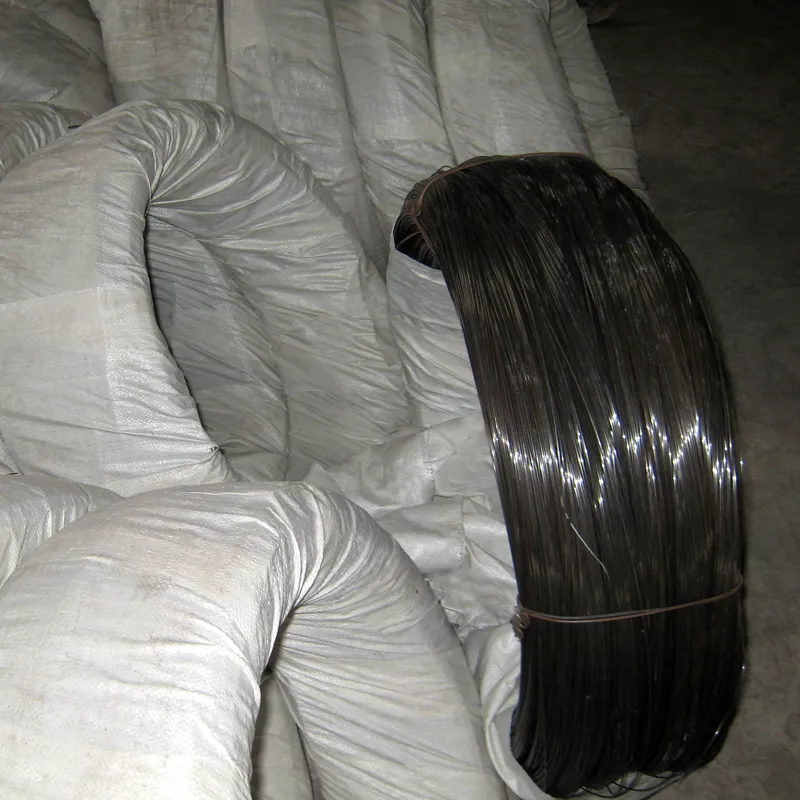
Drywall screws for ceiling applications predominantly utilize carbon steel as their core material, specifically AISI 1018 or 1022 grades. These steels offer a balance of ductility, strength, and cost-effectiveness. The manufacturing process begins with wire drawing to achieve the desired diameter, followed by cold heading, which forms the screw head. A critical parameter is the die angle and lubrication during heading, impacting head uniformity and material flow. Thread rolling, employing a reciprocating or planetary die system, then creates the screw threads. Thread form – typically a sharp Type A point optimized for self-tapping – and pitch significantly influence insertion torque and holding power. Surface treatment is paramount for corrosion resistance. Zinc plating, particularly electrogalvanizing, is common, offering a sacrificial barrier. However, for higher humidity environments, thicker galvanization (hot-dip galvanizing) or organic coatings (polymer-based) are employed. Phosphate coatings often precede zinc plating to enhance adhesion and corrosion protection. Hydrogen embrittlement is a manufacturing concern; post-plating heat treatment is often applied to mitigate this risk. Steel hardness, typically Rockwell C 32-38, is vital for maintaining thread integrity during installation. Variations in steel composition and heat treatment directly affect yield strength and tensile strength, influencing the screw's load-bearing capacity. Quality control involves rigorous testing of material composition, hardness, tensile strength, and coating thickness, adhering to ASTM standards.
Performance & Engineering
The performance of drywall screws for ceiling applications is dictated by several engineering principles. Force analysis considers both tensile loads (downward pull from the drywall sheet) and shear loads (lateral forces from building movement or wind). Screw spacing and embedment depth are crucial design parameters. The National Framing Code (NFC) provides guidelines for appropriate screw spacing based on drywall thickness and load requirements. Environmental resistance is a major factor; screws are subjected to varying temperature and humidity levels, which can induce corrosion and reduce holding power. The choice of coating material is therefore critical. Compliance requirements necessitate adherence to ASTM C1002 (Standard Specification for Drywall Screws) and local building codes. Resilient channel applications require specialized screws with a bugle head design that prevents tearing of the channel's facing paper. These screws are often self-drilling to minimize installation effort. The point geometry influences penetration force and the creation of a secure pilot hole. A sharp Type A point is generally preferred for standard applications, while blunt points are suitable for resilient channels. Finite element analysis (FEA) is increasingly used to model screw performance under various load scenarios, optimizing screw design and ensuring structural integrity. Consideration must also be given to creep, the tendency of screws to slowly loosen over time under sustained load, especially in applications involving heavier ceiling finishes.
Technical Specifications
| Screw Diameter (inches) | Screw Length (inches) | Head Type | Point Type |
|---|---|---|---|
| 0.125 | 1 1/4 | Bugle | Type A (Sharp) |
| 0.125 | 1 5/8 | Bugle | Type A (Sharp) |
| 0.125 | 2 | Bugle | Type A (Sharp) |
| 0.125 | 2 1/2 | Bugle | Type A (Sharp) |
| 0.125 | 3 | Bugle | Type A (Sharp) |
| 0.140 | 1 5/8 | Wafer | Type B (Blunt) |
Failure Mode & Maintenance
Common failure modes for drywall screws in ceiling applications include thread stripping, screw shear, and corrosion-induced weakening. Thread stripping occurs when the screw is over-driven, exceeding the shear strength of the drywall or the screw threads themselves. Shear failure can result from excessive lateral loads or inadequate screw spacing. Corrosion, particularly in humid environments, leads to hydrogen embrittlement and reduced tensile strength, ultimately causing screw failure. Fatigue cracking, while less common, can occur in areas subjected to cyclic loading. Delamination of the drywall around the screw head is also observed, especially with aggressive screwing techniques. Maintenance typically involves periodic inspection for loose or corroded screws. Loose screws should be re-driven, ensuring proper embedment depth. Severely corroded screws should be replaced. Preventative measures include utilizing corrosion-resistant coatings, proper screw spacing, and avoiding over-driving. Addressing water leaks or excessive humidity is crucial for preventing corrosion. Regular inspection of resilient channel systems is particularly important, as these systems are prone to vibration and movement. Failure analysis often involves microscopic examination of fracture surfaces to determine the root cause of failure, informing future design and installation practices.
Industry FAQ
Q: What is the primary difference between drywall screws used for walls versus ceilings?
A: Ceiling screws are engineered for greater tensile and shear strength to counteract gravity and maintain secure attachment over extended periods. They often feature a bugle head design optimized for drywall and resilient channel, and are typically manufactured from higher-grade steel.
Q: How does the coating type affect the long-term performance of ceiling drywall screws?
A: Coating type directly impacts corrosion resistance. Standard zinc plating provides basic protection, while thicker galvanization or organic coatings offer superior performance in humid environments, preventing weakening and eventual failure.
Q: What screw spacing is recommended for a standard 1/2-inch drywall ceiling?
A: Typically, 16 inches on center is recommended for standard 1/2-inch drywall ceilings directly attached to joists. However, building codes and specific load requirements may dictate different spacing.
Q: What are the implications of using self-drilling screws in a ceiling application?
A: Self-drilling screws simplify installation, especially in resilient channel systems, minimizing the risk of tearing the channel’s facing paper. However, they may create slightly larger holes and potentially reduce holding power if not properly sized.
Q: How can I identify a screw that is showing signs of corrosion or fatigue?
A: Signs of corrosion include visible rust, discoloration, and pitting on the screw head and threads. Fatigue may be indicated by cracking around the screw head or stripping of the threads, often accompanied by a slight protrusion of the screw from the drywall surface.
Conclusion
Drywall screws for ceiling applications represent a critical, yet often overlooked, component in building construction. Their performance is directly linked to a complex interplay of material science, manufacturing precision, and engineering design. Selecting the appropriate screw type, considering load requirements, environmental factors, and adherence to industry standards is paramount for ensuring long-term structural integrity and safety.
Future trends in ceiling screw technology are likely to focus on enhanced corrosion resistance through advanced coating materials, optimized point geometries for improved self-tapping performance, and increased use of finite element analysis for screw design. A continued emphasis on quality control and rigorous testing will be essential for maintaining reliability and minimizing the risk of ceiling failures.