



Introduction
Drywall screws are a critical fastening element in modern construction, specifically designed for the attachment of gypsum drywall panels to wood or metal framing. They differ significantly from general-purpose wood screws in their hardness, thread design, and head geometry, optimized for secure and flush attachment without tearing the face paper of the drywall. The selection of the correct drywall screw is paramount to ensuring structural integrity, preventing premature failure, and meeting building code requirements. This guide provides a comprehensive overview of drywall screw material science, manufacturing processes, performance characteristics, failure modes, and relevant industry standards, geared towards procurement managers, engineers, and construction professionals. Improper selection leads to issues like popping screws, drywall cracking, and ultimately, compromised building safety. We will analyze the variations in screw types – coarse thread versus fine thread, bugle head designs, phosphate coatings, and stainless steel options – and their appropriate applications.
Material Science & Manufacturing
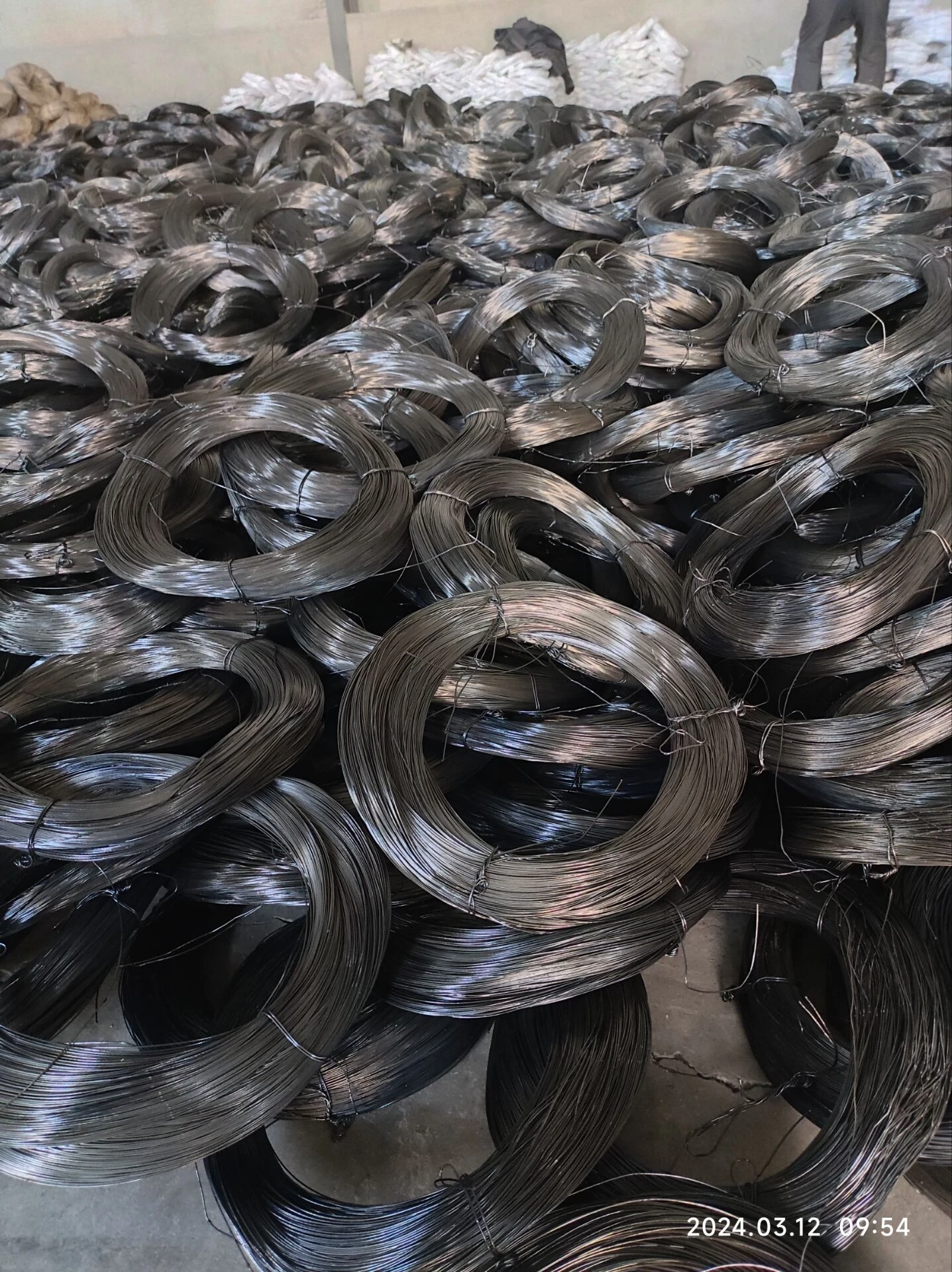
Drywall screws are predominantly manufactured from hardened steel, specifically C1022 steel, chosen for its balance of strength, ductility, and cost-effectiveness. The steel undergoes a cold heading process where wire is fed into a die and formed into the screw shape. This work-hardening increases the steel's tensile strength. Critical to drywall screw performance is the heat treatment process, typically involving quenching and tempering, to achieve a Rockwell hardness of C30-C40. This ensures sufficient penetration without excessive brittleness. The screw threads are then rolled, rather than cut, preserving the grain structure of the steel and increasing thread strength. A phosphate coating (typically zinc phosphate) is applied as a corrosion inhibitor and provides a better surface for paint adhesion. Stainless steel drywall screws (typically 304 or 316 stainless steel) are used in moisture-prone environments like bathrooms or exterior applications, offering superior corrosion resistance, though at a higher cost. Manufacturing tolerances are governed by ASTM F488. The quality of the steel, precise heat treatment, and consistent thread rolling are key parameters controlled during production to guarantee optimal performance and prevent premature failure.
Performance & Engineering
The performance of a drywall screw is dictated by several engineering factors. Shear strength is crucial, as screws are subjected to significant shear forces from the weight of the drywall and any applied loads. Tensile strength governs the screw's resistance to being pulled out of the substrate. The bugle head design is engineered to seat slightly below the drywall surface without breaking the paper facing, preventing "popping" and allowing for seamless joint compound application. Thread design is also critical: coarse threads are optimized for wood framing, providing greater holding power in softer materials, while fine threads are intended for metal framing, offering increased thread engagement and reduced stripping. The angle of the thread flanks impacts screw penetration and withdrawal resistance. Environmental resistance is a key consideration. Humidity and temperature fluctuations can cause the framing material to expand and contract, potentially loosening screws. The phosphate coating provides a baseline level of corrosion protection, but stainless steel screws are necessary in consistently damp environments. Building codes (such as the International Building Code - IBC) specify minimum screw spacing and edge distance requirements to ensure adequate load distribution and prevent drywall failure. Compliance with these codes is non-negotiable.
Technical Specifications
| Screw Type | Material | Head Type | Thread Type | Coating | Typical Tensile Strength (MPa) |
|---|---|---|---|---|---|
| Standard Drywall Screw | C1022 Steel | Bugle | Coarse | Zinc Phosphate | 480-620 |
| Self-Drilling Drywall Screw | Hardened Steel | Bugle | Fine | Zinc Phosphate | 550-700 |
| Stainless Steel Drywall Screw | 304 Stainless Steel | Bugle | Coarse/Fine | None (Stainless) | 500-650 |
| Drywall Screw (Wood Framing) | C1022 Steel | Bugle | Coarse | Zinc Phosphate | 480-620 |
| Drywall Screw (Metal Framing) | Hardened Steel | Bugle | Fine | Zinc Phosphate | 550-700 |
| Heavy-Duty Drywall Screw | C1022 Steel | Bugle | Coarse/Fine | Zinc Phosphate | 650-800 |
Failure Mode & Maintenance
Drywall screw failure manifests in several ways. Stripping of the screw head is common, particularly with improper installation or using the incorrect driver bit. Shear failure occurs when the screw is subjected to excessive lateral forces, causing the shank to break. Withdrawal failure involves the screw pulling out of the substrate, often due to insufficient thread engagement or weakened framing material. Corrosion, particularly in humid environments, can lead to rust and weakening of the screw, ultimately causing failure. Fatigue cracking can occur over time due to repeated stress cycles, particularly in areas subject to vibration. Preventative maintenance is limited, but proper installation is key. Ensure the correct screw type is used for the substrate material. Avoid over-tightening, which can strip the head or damage the drywall. Regularly inspect areas prone to moisture for signs of corrosion. If screws begin to "pop", re-secure them with longer screws or wood glue to provide additional holding power. In cases of significant corrosion or damage, replace the screws immediately.
Industry FAQ
Q: What is the difference between coarse and fine thread drywall screws, and when should each be used?
A: Coarse thread screws are designed for wood framing and offer greater holding power in softer materials. The wider thread spacing provides more material to grip. Fine thread screws are intended for metal framing. The tighter thread spacing allows for increased thread engagement within the metal studs, reducing the risk of stripping and providing a more secure connection. Using the wrong thread type can significantly reduce holding power and lead to premature failure.
Q: Are stainless steel drywall screws always necessary, even in bathrooms?
A: Not always. While stainless steel offers superior corrosion resistance, it's often overkill for a standard bathroom. Proper ventilation is the primary defense against moisture buildup. However, in areas with consistently high humidity, frequent water exposure (e.g., shower surrounds), or where drywall is directly exposed to water, stainless steel screws are highly recommended to prevent rust and maintain structural integrity.
Q: What does the "phosphate coating" on drywall screws do?
A: The phosphate coating (typically zinc phosphate) serves two main purposes. First, it acts as a corrosion inhibitor, slowing down the rate of rust formation. Second, it creates a slightly textured surface that improves paint adhesion, resulting in a more durable and aesthetically pleasing finish. It's a cost-effective way to enhance screw performance and longevity.
Q: What causes drywall screws to "pop" and how can it be prevented?
A: "Popping" occurs when the drywall screw head breaks through the paper facing of the drywall. This is often caused by over-tightening, using the wrong screw type, or movement in the framing material. To prevent it, use the correct screw type for the substrate, avoid over-tightening (set your driver bit to a clutch setting), and ensure the framing is stable and properly secured. If screws do pop, re-secure them with longer screws and wood glue.
Q: How important are building code requirements when selecting drywall screws?
A: Building code requirements are critically important. Codes (like the IBC) specify minimum screw spacing, edge distance, and screw type requirements to ensure the structural integrity and safety of the building. Non-compliance can result in failed inspections and potential safety hazards. Always consult local building codes and ensure all drywall screw installations meet or exceed those requirements.
Conclusion
The selection of appropriate drywall screws is a fundamental aspect of sound construction practices. Beyond simply being a fastening device, the screw acts as an integral component influencing the long-term structural integrity, aesthetic quality, and safety of a building. Understanding the nuances of material science – from the steel alloy composition to the phosphate coating process – is crucial for mitigating failure modes like stripping, shear failure, and corrosion. Engineered performance characteristics, such as thread design and head geometry, dictate the screw’s ability to provide a secure and flush attachment without damaging the drywall surface.
Ultimately, prioritizing informed screw selection—based on substrate material, environmental conditions, and adherence to stringent building codes (ASTM F488, ICC-ES reports)—is not merely a matter of cost savings, but a vital commitment to ensuring a durable, safe, and compliant structure. Future advancements may involve bio-based polymers in coating materials to further enhance corrosion resistance and reduce environmental impact.