



Introduction
Fine thread drywall screws are a specialized fastener designed for the secure attachment of drywall (gypsum board) to wood or metal framing. They differ from coarse thread drywall screws primarily in their thread pitch – finer threads provide increased holding power in denser materials and are specifically engineered for use with thicker gauge drywall, typically ½ inch or greater, and metal studs. Their primary function is to create a strong, flush, and durable connection, resisting pull-through and ensuring the longevity of interior wall and ceiling assemblies. The consistent quality of these screws is crucial within the construction industry, directly impacting structural integrity and finish aesthetics. This guide provides a comprehensive technical overview of fine thread drywall screws, covering material science, manufacturing processes, performance characteristics, failure modes, and relevant industry standards. A critical pain point in construction is screw pull-through, leading to costly rework and potential structural deficiencies; fine thread screws are specifically designed to mitigate this risk.
Material Science & Manufacturing
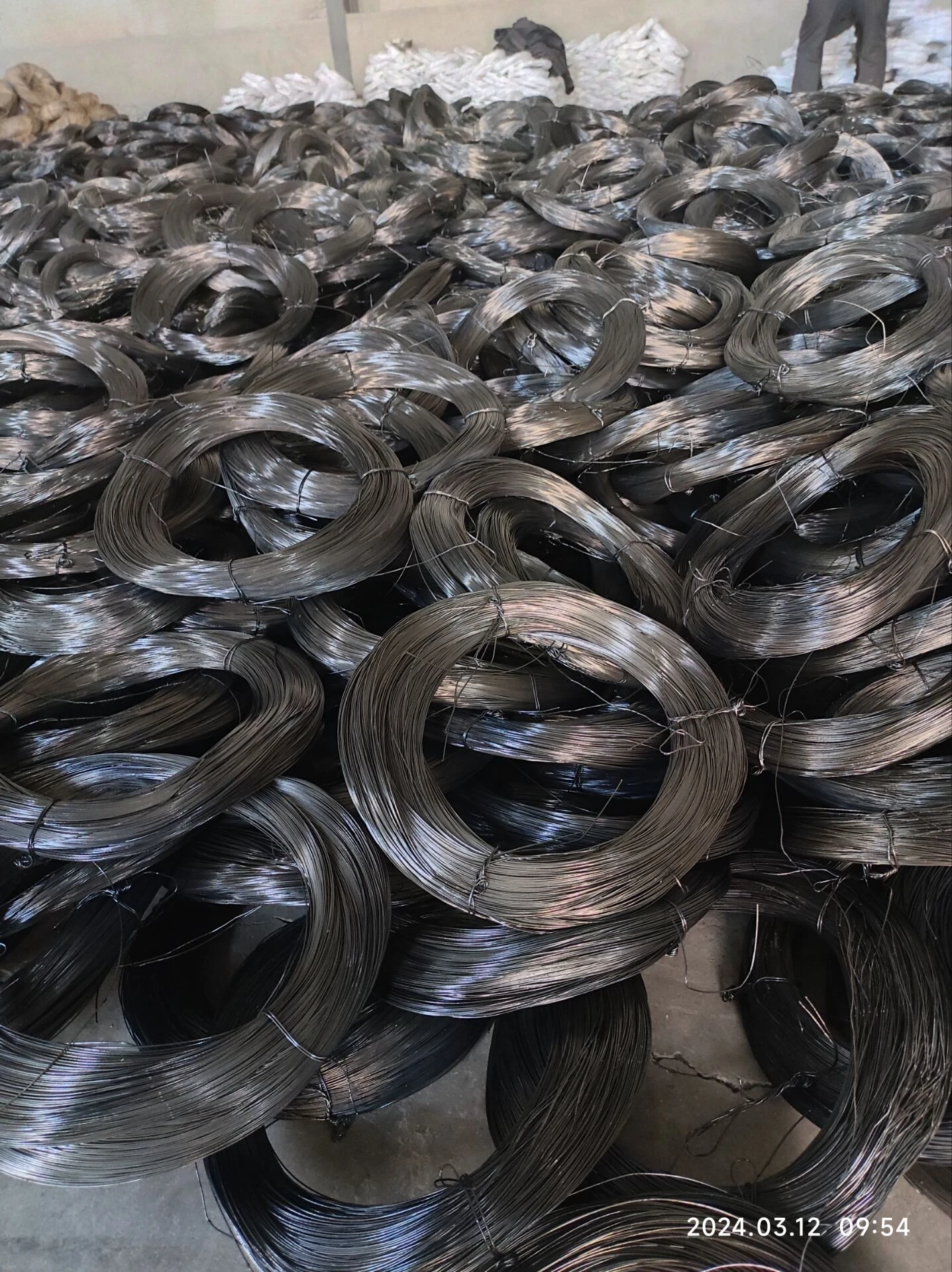
The core material for fine thread drywall screws is typically carbon steel, specifically AISI C1022 or similar grades, chosen for their balance of strength, ductility, and cost-effectiveness. This steel undergoes a heat treatment process, typically hardening and tempering, to achieve a Rockwell hardness of C30-C40, optimizing tensile strength and shear strength. The screws are commonly coated with phosphate, zinc, or a combination thereof, providing corrosion resistance and enhancing paint adhesion. Phosphate coatings, such as zinc phosphate, create a crystalline structure that acts as a base for subsequent coatings. The manufacturing process begins with cold heading, where wire stock is fed into a heading machine that forms the screw head and begins the thread formation. Subsequent rolling processes refine the thread profile to the precise dimensions required for fine thread specifications – typically 6-8 threads per inch. Critical process parameters include die angle, feed rate, and lubrication. Inconsistent lubrication can lead to galling and thread defects. Quality control throughout the process includes rigorous dimensional checks using optical comparators and destructive testing to verify tensile strength and shear strength according to ASTM F488. The steel's composition dictates its ductility; higher carbon content increases hardness but reduces ductility, demanding precise heat treatment control. Furthermore, the coating application is monitored for uniformity and adhesion, crucial for preventing premature corrosion.
Performance & Engineering
The performance of fine thread drywall screws is governed by several key engineering principles. Tensile strength, typically ranging from 80,000 to 120,000 psi, dictates the screw’s resistance to being pulled apart under load. Shear strength, around 60,000 to 90,000 psi, determines the screw’s ability to resist lateral forces. The fine thread design optimizes shear performance in metal studs by maximizing the thread contact area. Environmental resistance is a crucial consideration, particularly in areas with high humidity or corrosive atmospheres. The phosphate/zinc coating provides a sacrificial layer of protection, inhibiting corrosion initiation. Pull-through resistance, the primary benefit of fine thread screws, is directly related to thread engagement depth and screw diameter. Engineering calculations based on gypsum board density and screw geometry determine the required screw spacing to prevent pull-through failures. Compliance with building codes, such as the International Building Code (IBC), mandates specific screw types and installation practices for different drywall assemblies. Furthermore, the screw head geometry – typically bugle head – is designed to countersink into the drywall surface without tearing the paper facing, maintaining the aesthetic integrity of the finished wall. Finite element analysis (FEA) is frequently used to optimize screw design and predict performance under various loading conditions.
Technical Specifications
| Diameter (inches) | Length (inches) | Thread Pitch (TPI) | Tensile Strength (psi) |
|---|---|---|---|
| 0.140 | 1 ¼ | 7 | 90,000 |
| 0.140 | 1 ⅝ | 7 | 95,000 |
| 0.140 | 2 | 7 | 100,000 |
| 0.159 | 1 ¼ | 6 | 110,000 |
| 0.159 | 1 ⅝ | 6 | 115,000 |
| 0.159 | 2 | 6 | 120,000 |
Failure Mode & Maintenance
Fine thread drywall screws are susceptible to several failure modes. Hydrogen embrittlement, particularly in highly stressed applications or corrosive environments, can lead to brittle fracture. This is exacerbated by the use of certain coating processes. Striping of the threads, especially in metal studs, can occur due to over-tightening or inadequate pre-drilling. Shear failure can occur if the applied lateral load exceeds the screw’s shear strength. Corrosion, despite the protective coating, can lead to gradual degradation of the steel, reducing its load-bearing capacity. Fatigue cracking, resulting from repeated loading and unloading, can also contribute to failure over time. Preventive maintenance is generally limited, as the screws are concealed within the wall assembly. However, proper installation techniques – avoiding over-tightening and ensuring correct screw spacing – are crucial for minimizing failure risk. Periodic inspections for signs of corrosion or structural movement can identify potential problems. If screw pull-through or other signs of failure are observed, the affected drywall should be repaired or replaced, and the screws should be replaced with appropriately sized and coated fasteners. Failure analysis often involves microscopic examination of fractured screws to identify the root cause of failure, such as material defects, corrosion, or overload.
Industry FAQ
Q: What is the primary advantage of using fine thread screws versus coarse thread screws for metal studs?
A: Fine thread screws provide significantly greater pull-through resistance in metal studs due to their increased thread contact area. Coarse thread screws are more prone to stripping in metal, especially if pre-drilling is not precise. The finer threads engage more of the metal stud’s material, creating a stronger and more secure connection.
Q: How does the coating impact the long-term performance of the screw?
A: The coating, typically phosphate and zinc, acts as a barrier against corrosion. A high-quality coating significantly extends the screw’s lifespan, especially in humid or corrosive environments. Poor coating application or damage to the coating can accelerate corrosion and compromise the screw’s strength.
Q: What is the recommended screw spacing for ½-inch drywall on metal studs?
A: The recommended screw spacing is typically 12 inches on center (OC), but this can vary depending on the specific application and building code requirements. Edge spacing should be 3/8 inches from the drywall edge. Refer to the gypsum board manufacturer’s recommendations for specific guidance.
Q: What causes screw stripping in metal studs, and how can it be prevented?
A: Screw stripping is often caused by over-tightening, using the wrong screw type, or inadequate pre-drilling. To prevent stripping, use the correct screw type (fine thread for metal), avoid over-tightening, and ensure that pre-drilled holes are the correct size. Self-drilling screws can also minimize stripping.
Q: What is the significance of the Rockwell hardness of the screw?
A: Rockwell hardness indicates the screw’s resistance to deformation and wear. A hardness of C30-C40 provides a good balance of strength and ductility, ensuring that the screw can withstand installation stresses and maintain its holding power over time. Too high a hardness can make the screw brittle, while too low a hardness can lead to premature deformation.
Conclusion
Fine thread drywall screws represent a crucial fastening solution for modern construction, particularly when working with metal framing and thicker gauge drywall. Their design directly addresses the critical pain point of pull-through failure, ensuring the structural integrity and long-term performance of interior wall and ceiling assemblies. Understanding the material science, manufacturing processes, and performance characteristics of these screws is paramount for engineers, architects, and construction professionals.
Continued advancements in coating technologies and screw geometries promise to further enhance the corrosion resistance and holding power of fine thread drywall screws. Adherence to industry standards and proper installation techniques remain fundamental to maximizing their effectiveness and minimizing the risk of premature failure. By prioritizing quality and employing best practices, the construction industry can ensure durable and reliable drywall installations.