



Introduction
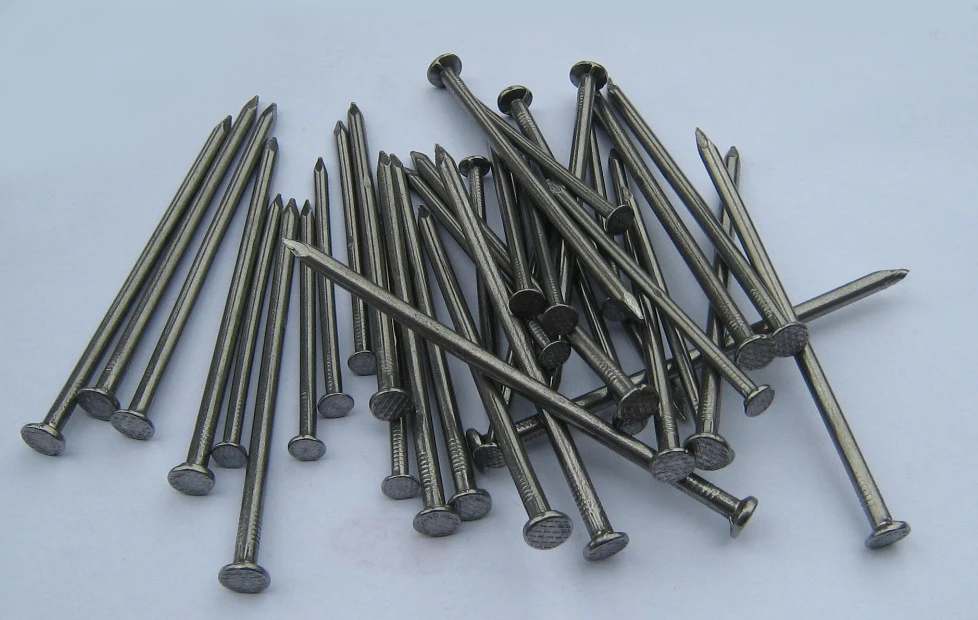
Flat concrete nails are specialized fasteners designed for securing materials into concrete, brick, and other masonry substrates. Unlike conventional nails, flat concrete nails exhibit a wide, flattened shank and a hardened steel composition optimized for direct impact driving into dense materials. Their technical position within the construction industry chain is as a critical element in applications ranging from light-duty framing and sheathing to more demanding structural connections where mechanical anchors are not feasible or desired. Core performance characteristics center on shear strength, pull-out resistance, and the ability to minimize concrete spalling during installation. The increasing demand for faster, simpler fastening solutions, particularly in renovation and retrofit projects, has driven the adoption of flat concrete nails as a viable alternative to traditional anchoring methods. A significant pain point addressed by these nails is reducing installation time and skill requirements, eliminating the need for pre-drilling in many applications, thereby reducing noise and dust pollution on job sites.
Material Science & Manufacturing
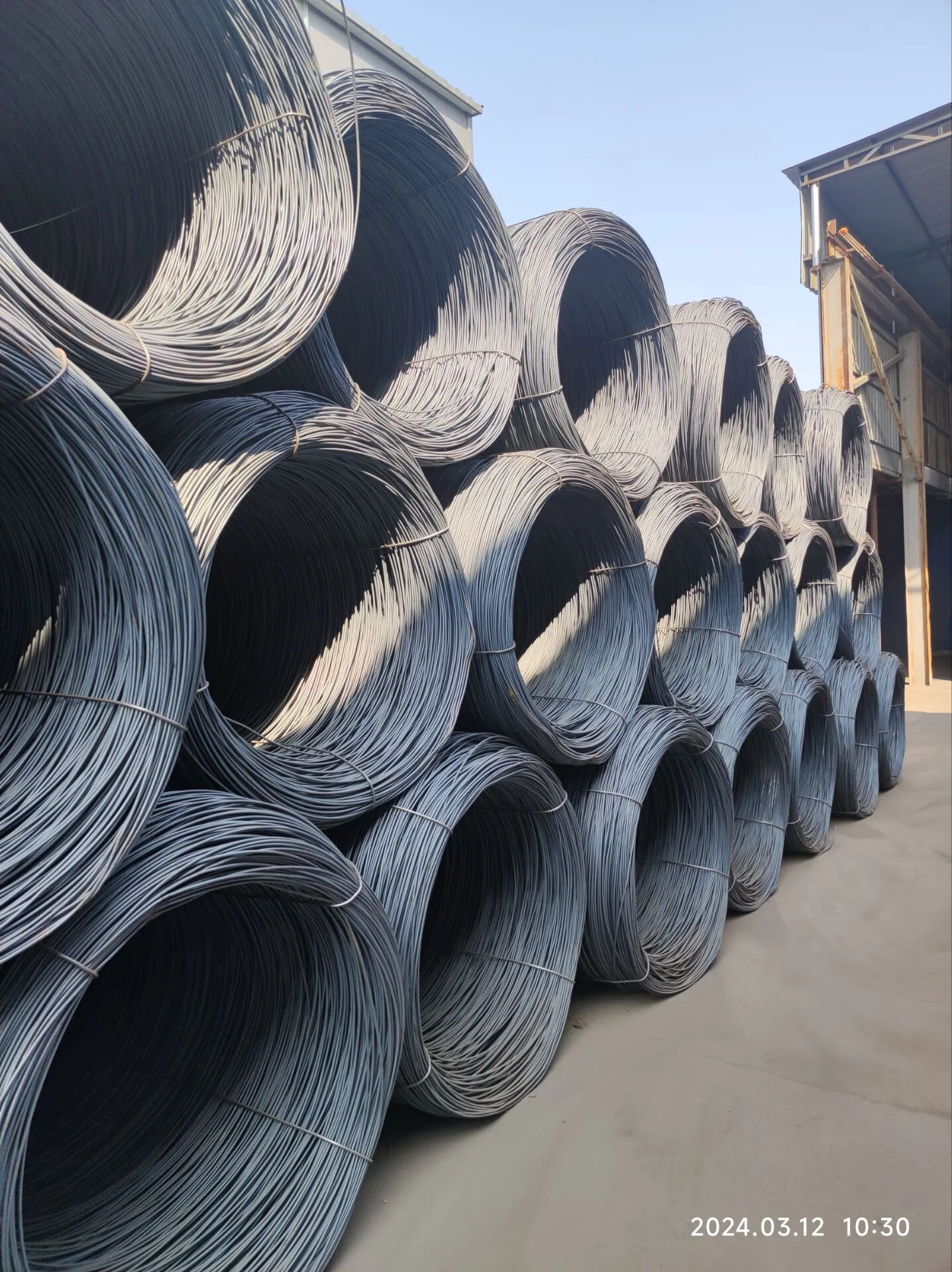
The primary material for flat concrete nails is medium-carbon steel, typically SAE 1045 or equivalent, chosen for its balance of hardness, toughness, and weldability. The steel undergoes a heat treatment process, including hardening and tempering, to achieve a Rockwell C hardness of 50-58. This ensures the nail can withstand the high-impact forces of driving without bending or fracturing. The flattened shank is crucial, increasing the surface area in contact with the concrete, enhancing friction and pull-out resistance. Manufacturing processes begin with wire drawing to achieve the desired shank profile. This is followed by heading, where the wire is formed into the nail head. Subsequent processes include hardening, tempering, and often, a surface coating, typically a zinc or phosphate coating, to improve corrosion resistance. Key parameter control during manufacturing involves precise monitoring of the heating and cooling rates during heat treatment, dimensional accuracy of the shank and head, and consistent coating thickness. Material inconsistencies, such as inclusions or variations in carbon content, can lead to premature failure. Variations in shank flatness and head geometry impact driving performance and holding power. Modern manufacturing incorporates statistical process control (SPC) to minimize these defects.
Performance & Engineering
The performance of flat concrete nails is governed by several key engineering principles. Shear strength, determined by the nail’s cross-sectional area and material properties, dictates its ability to resist lateral forces. Pull-out resistance, influenced by shank friction and the concrete’s compressive strength, is critical for preventing nail dislodgement. Force analysis considers both static and dynamic loads. Static loads represent the sustained weight or pressure on the fastened material, while dynamic loads account for impact, vibration, and wind loads. Environmental resistance is paramount; prolonged exposure to moisture and corrosive agents can significantly degrade the nail’s integrity. Compliance requirements vary by region and application but generally fall under building codes addressing fastener performance in concrete structures. Functional implementation requires careful consideration of nail spacing and penetration depth. Closer spacing and greater penetration increase holding power but also increase the risk of concrete cracking. The angle of nail insertion also affects performance, with slight angling typically providing improved resistance to pull-out. A common failure mode is concrete cone failure, where the concrete surrounding the nail fractures, reducing its holding capacity. This is mitigated by increasing nail spacing and using larger diameter nails.
Technical Specifications
| Nail Diameter (mm) | Nail Length (mm) | Shank Width (mm) | Head Diameter (mm) |
|---|---|---|---|
| 3.0 | 50 | 7.0 | 10.0 |
| 3.5 | 65 | 8.5 | 12.0 |
| 4.0 | 80 | 10.0 | 14.0 |
| 4.5 | 90 | 11.5 | 16.0 |
| 5.0 | 100 | 13.0 | 18.0 |
| 6.0 | 120 | 15.0 | 20.0 |
Failure Mode & Maintenance
Flat concrete nails are susceptible to several failure modes. Fatigue cracking can occur under cyclical loading, especially when the nail is subjected to repeated vibrations or impacts. This initiates at stress concentrations, often around the head or shank. Delamination of the concrete surrounding the nail is a common issue, particularly in lower-strength concrete mixes or when nails are driven too close to the edge of the material. Degradation of the surface coating can lead to corrosion, weakening the nail and reducing its pull-out resistance. Oxidation of the steel itself, although slower, can also contribute to weakening. Hydrogen embrittlement, induced by exposure to acidic environments, can cause premature nail failure. Maintenance primarily revolves around preventative measures. Regular inspection for signs of corrosion or concrete cracking is crucial. If corrosion is detected, the nail should be replaced. Applying a sealant around the nail head can help prevent water ingress and mitigate corrosion. For applications involving significant dynamic loads, consider using larger diameter nails or increasing nail spacing to distribute the load more evenly. Avoid overdriving the nails, as this can damage the concrete and reduce holding power. Addressing underlying concrete issues, such as excessive moisture or cracking, is also essential for long-term fastener performance.
Industry FAQ
Q: What is the optimal concrete compressive strength for using flat concrete nails?
A: While flat concrete nails can be used in a range of concrete strengths, optimal performance is typically achieved in concrete with a compressive strength between 25 MPa and 40 MPa (3600 psi to 5800 psi). Lower strength concrete may exhibit reduced pull-out resistance, while excessively high strength concrete can lead to increased risk of cracking during installation.
Q: How does nail spacing affect the load-bearing capacity of a flat concrete nail connection?
A: Nail spacing is critical. Closer spacing generally increases load-bearing capacity up to a point, but excessive spacing can lead to concrete cone failure. A minimum edge distance (distance from the nail to the edge of the concrete) and center-to-center spacing are typically specified by building codes and manufacturer recommendations. Following these guidelines prevents concrete cracking and maximizes the connection's strength.
Q: What type of corrosion protection is most effective for flat concrete nails used in marine environments?
A: In marine environments, where exposure to salt spray is high, hot-dip galvanization provides the most robust corrosion protection. Phosphate coating offers a moderate level of protection and is suitable for less severe environments. Stainless steel nails are also an option, offering superior corrosion resistance but at a higher cost.
Q: Can flat concrete nails be used to fasten materials to brick or block?
A: Yes, flat concrete nails can be effectively used in brick and concrete block, though performance characteristics will differ. The softer nature of brick and block generally requires slightly reduced driving force to prevent cracking. Holding power in brick and block is typically lower than in concrete, so appropriate nail size and spacing must be determined based on the applied load and the material's compressive strength.
Q: What is the recommended driving method for flat concrete nails to minimize concrete damage?
A: Using a specialized concrete nailer with a controlled driving mechanism is highly recommended. This ensures consistent driving force and minimizes the risk of overdriving or damaging the concrete. If driving manually, use a hammer with a cushioned face and apply firm, controlled blows. Avoid angled driving, as this increases the likelihood of splitting the concrete.
Conclusion
Flat concrete nails represent a significant advancement in masonry fastening technology, offering a rapid, efficient, and cost-effective alternative to traditional anchoring methods. Their performance is intrinsically linked to material science, specifically the heat treatment of the steel and the geometry of the flattened shank, which maximizes surface area for frictional resistance. Understanding the engineering principles governing shear strength, pull-out resistance, and failure modes is crucial for successful application.
Future development may focus on enhancing corrosion resistance through advanced coating technologies and optimizing nail designs for specific concrete types and loading conditions. Careful consideration of installation parameters, adherence to relevant building codes, and regular inspection for signs of degradation are essential for ensuring the long-term reliability and safety of flat concrete nail connections. Their growing adoption reflects a broader industry trend towards simplified construction processes and reduced reliance on complex installation procedures.