


Gabion Mesh has become a cornerstone material in modern civil engineering and environmental projects worldwide. The demand for durable, corrosion-resistant wire mesh continues to grow as industries seek reliable solutions for erosion control, retaining walls, and decorative landscaping. Engineers now specify heavy-gauge welded mesh for load-bearing structures, while the mining and aggregate sectors require high-tensile woven screens for material classification. This shift toward performance-driven specifications places greater emphasis on raw material quality, consistent wire diameter, and uniform mesh openings.
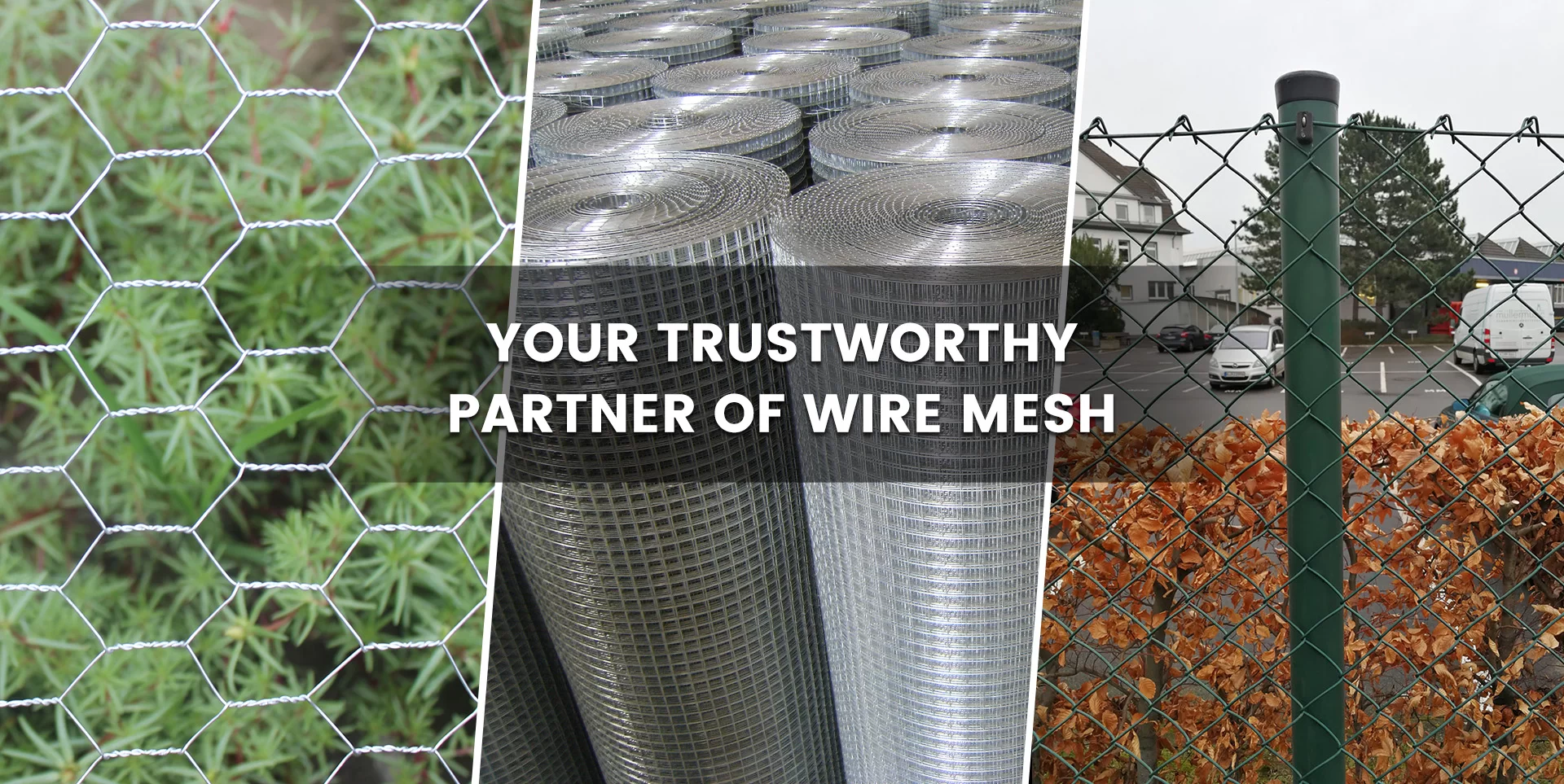
Across Southeast Asia and the Middle East, infrastructure projects increasingly rely on double-twisted hexagonal mesh and PVC-coated welded panels for long-term performance in harsh environments. The key differentiator is not just the weaving technology, but the metallurgical consistency of the underlying wire — its tensile strength, zinc coating adhesion, and elongation properties. Fabricators who understand the interplay between wire drawing parameters and final mesh integrity deliver products that outperform generic imports. This is where the upstream supply chain plays a critical role that is often overlooked by end-users.
Wire Drawing Standards and Their Impact on Mesh Quality
The journey from steel rod to finished mesh involves several precision processes. Wire drawing reduces the rod diameter while improving mechanical properties through cold working. For applications such as gabion baskets, slope stabilization, and animal enclosures, the drawn wire must exhibit uniform roundness and consistent tensile strength along its entire length. Variations in wire diameter as small as 0.05 mm can compromise mesh opening tolerances and reduce structural integrity over time. Modern wire drawing plants employ continuous annealing and in-line diameter gauging to maintain tight tolerances.
Hot-dip galvanizing remains the preferred coating method for heavy-duty mesh exposed to moisture and UV radiation. The zinc-iron alloy layer formed during the hot-dip process provides cathodic protection that electro-galvanizing cannot match. For projects requiring extended service life in coastal or industrial environments, specifying a minimum zinc coating weight of 200 g/m² ensures decades of maintenance-free performance. Border Fence installations in particular demand this level of corrosion protection, as perimeter security systems must withstand weather exposure and mechanical stress over extended periods.
Material Selection Challenges for International Projects
Procurement teams face a complex landscape when sourcing wire mesh for cross-border projects. Local standards for wire gauge, zinc coating, and mesh dimensions vary significantly between ASTM, EN, and JIS specifications. A mesh that meets Chinese GB/T standards may not automatically comply with a European EN 10223 requirement unless the manufacturer adjusts production parameters accordingly. This disconnect often leads to costly rework or project delays when compliance gaps are discovered during site inspection.
Forward-thinking contractors now audit their suppliers' production capabilities before awarding contracts. They evaluate wire drawing capacity, galvanizing line consistency, and quality control protocols for tensile testing and coating thickness measurement. Suppliers who can demonstrate traceability from raw material certificate to finished batch — and who operate integrated wire-to-mesh production lines — provide the level of assurance that international projects demand. The ability to produce custom mesh sizes and wire diameters on short lead times further distinguishes capable manufacturers from simple traders.
Sintered Wire Mesh: The Intersection of Filtration and Strength
While structural mesh applications dominate civil engineering, the industrial filtration sector relies on sintered wire mesh for critical separation processes. Sintering multiple layers of woven wire under heat and pressure creates a rigid, porous material with precise micron ratings and high mechanical strength. These sintered meshes serve in polymer filtration, hydraulic systems, fluidized bed distributors, and gas-solid separation across chemical, pharmaceutical, and food processing industries.
The performance of sintered mesh depends heavily on the quality of the base woven layers. Consistent wire diameter, uniform weave patterns, and clean surface conditions are essential for achieving predictable pore size distribution and burst strength. Manufacturers who control the upstream wire drawing and weaving processes deliver sintered products with fewer rejects and more reliable filtration performance. This vertical integration is a strategic advantage that directly benefits end-users through lower total cost of ownership.
Quality Assurance Protocols for Wire Mesh Supply
Experienced buyers insist on third-party testing for critical projects. Tensile testing confirms wire strength meets design specifications, while zinc coating weight analysis verifies corrosion protection adequacy. For welded mesh, weld shear strength testing ensures each intersection can withstand design loads without separation. Dimensional inspection of mesh openings — both in the as-woven condition and after galvanizing — guarantees compliance with contract tolerances that may be as tight as ±3% for precision applications.
Reputable manufacturers maintain in-house testing laboratories equipped with universal testing machines, metallographic microscopes, and coating thickness gauges. They provide mill test reports for each production lot, enabling customers to verify compliance before shipment. This transparency builds trust and reduces the risk of disputes during project execution. For international shipments, proper packaging and moisture protection during transit are equally important to prevent coating damage and rust formation.
Market Trends Shaping Wire Mesh Demand
Several factors are driving increased consumption of industrial wire mesh. Infrastructure investment in developing economies creates sustained demand for gabion mesh, welded panels, and chain link fencing. The renewable energy sector requires heavy-duty mesh for solar panel mounting structures and wind turbine foundation reinforcement. In mining, higher ore grades and stricter environmental regulations drive the need for finer woven screens and more durable filtration media.
Sustainability considerations are also reshaping procurement decisions. End-users increasingly prefer hot-dip galvanized mesh over painted alternatives because zinc coatings are fully recyclable and do not release volatile organic compounds during application. Manufacturers who source steel from electric arc furnace mills with recycled content are better positioned to meet green building certification requirements. These trends reward suppliers who invest in cleaner production technologies and transparent supply chain documentation.
Selecting a Wire Mesh Partner for Long-Term Success
The most successful projects are built on partnerships between knowledgeable buyers and capable manufacturers. Evaluating a supplier's wire drawing capability, coating consistency, and quality management systems is more important than comparing unit prices alone. A supplier who can produce multiple mesh types — from gabion baskets to industrial sintered filters — under one roof brings logistics efficiencies and quality continuity that fragmented supply chains cannot match.
When assessing potential partners, request production samples from actual manufacturing runs rather than idealized prototypes. Visit facilities if possible, or conduct virtual audits using video walkthroughs of wire drawing, weaving, galvanizing, and testing operations. Confirm that the supplier has experience exporting to your region and understands local documentation requirements. These due diligence steps separate commodity traders from genuine manufacturing partners capable of supporting complex, long-duration projects.
The wire mesh industry continues to evolve toward higher performance standards and tighter quality controls. Projects that specify materials based on engineering requirements rather than lowest cost achieve better outcomes with fewer field failures. Understanding the relationship between upstream wire quality and downstream mesh performance allows specifiers to make informed decisions that benefit project budgets and timelines. As global infrastructure development accelerates, the manufacturers who combine metallurgical expertise with responsive customer service will emerge as the preferred partners for discerning buyers worldwide.