



Introduction
Long concrete nails are a critical fastening element in the construction industry, primarily used for securing wood to concrete, brick, or masonry substrates. Unlike traditional nails designed for wood-to-wood connections, long concrete nails are engineered for high shear and tensile strength in heterogeneous material applications. Their design overcomes the challenges of achieving reliable mechanical interlock within the porosity of concrete and brick. This guide provides a comprehensive technical overview of long concrete nails, covering material science, manufacturing processes, performance characteristics, failure modes, and relevant industry standards. Understanding these aspects is crucial for engineers, procurement managers, and construction professionals to ensure structural integrity and project longevity. The core performance lies in their ability to resist pull-out forces and provide durable fastening, even under significant stress. A common industry pain point is inconsistent holding power due to variations in concrete density and nail material quality, necessitating rigorous quality control and adherence to engineering specifications.
Material Science & Manufacturing
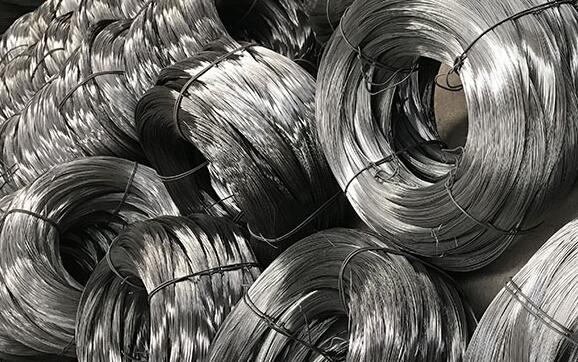
Long concrete nails are predominantly manufactured from high-carbon steel, specifically SAE 1045 or equivalent, providing a balance of hardness, tensile strength, and ductility. The steel undergoes a heat treatment process – typically quenching and tempering – to optimize its mechanical properties. The core material exhibits a typical yield strength of 700 MPa and tensile strength exceeding 850 MPa. Surface treatment is critical for corrosion resistance. Common coatings include bright zinc plating (typically 5-15 μm thickness), hot-dip galvanization (50-70 μm thickness, offering superior corrosion protection), or specialized polymer coatings. The manufacturing process begins with wire drawing to achieve the desired nail diameter, typically ranging from 2.5mm to 4.5mm. The wire is then fed into a nail-making machine, where it is cut to length, headed (forming the nail head), and pointed. Key process control parameters include die calibration (ensuring consistent diameter), heading pressure (affecting head formation and density), and quenching medium (influencing hardness and temper). Variations in these parameters directly impact the nail’s holding power and susceptibility to failure. The shank geometry—smooth or ring shank—is a crucial design element. Ring shanks increase withdrawal resistance by creating a mechanical interlock within the concrete substrate. Precise control over the ring formation process, including ring angle and spacing, is vital for maximizing performance. Chemical composition analysis, including carbon content, manganese, and silicon levels, is performed to ensure adherence to material specifications.

Performance & Engineering
The performance of long concrete nails is governed by several engineering principles. Primarily, load transfer occurs through a combination of friction, shear interlocking, and, in the case of ring shank nails, mechanical anchoring. Force analysis dictates that the nail is subjected to both shear and tensile stresses when subjected to lateral or pull-out loads. The nail’s shear strength is critical for resisting lateral forces, while its tensile strength determines its resistance to pull-out. Environmental resistance, particularly corrosion, is a key consideration. Exposure to moisture and chlorides can accelerate corrosion, leading to a reduction in nail strength and eventual failure. The choice of coating material and thickness directly impacts the nail’s longevity in corrosive environments. Compliance requirements vary depending on the application and geographic region. Building codes often specify minimum nail size, spacing, and embedment depth based on structural load calculations. Finite Element Analysis (FEA) is frequently employed to model the nail-concrete interaction, predict stress distributions, and optimize nail geometry. The embedment depth of the nail significantly affects its holding power. Insufficient embedment reduces the length of the nail engaged within the concrete, decreasing the available surface area for friction and shear interlocking. The type of concrete also influences performance. Higher density and compressive strength concrete generally provide better holding power. Detailed engineering specifications, based on site-specific conditions and load requirements, are essential for ensuring reliable performance.
Technical Specifications
| Diameter (mm) | Length (mm) | Shank Type | Coating | Minimum Withdrawal Force (kN) | Shear Strength (MPa) |
|---|---|---|---|---|---|
| 2.8 | 50 | Smooth | Bright Zinc Plated | 2.5 | 350 |
| 3.3 | 65 | Ring Shank | Hot-Dip Galvanized | 4.8 | 420 |
| 3.8 | 80 | Ring Shank | Bright Zinc Plated | 3.9 | 380 |
| 4.2 | 90 | Smooth | Hot-Dip Galvanized | 5.2 | 450 |
| 4.5 | 100 | Ring Shank | Polymer Coated | 6.5 | 500 |
| 3.3 | 50 | Ring Shank | Bright Zinc Plated | 3.2 | 370 |
Failure Mode & Maintenance
Long concrete nails are susceptible to several failure modes. Fatigue cracking can occur under cyclic loading, especially in applications involving vibration or repeated stress. This is often initiated at stress concentrations around the nail head or the ring shank features. Pull-out failure occurs when the tensile stress exceeds the nail’s holding power, causing it to withdraw from the concrete. Shear failure results from excessive lateral forces overcoming the nail’s shear strength. Corrosion is a significant contributor to failure, weakening the nail material and reducing its load-bearing capacity. Delamination of the concrete around the nail shank can also lead to a loss of holding power. Oxidation of the steel, particularly in the absence of adequate protective coatings, weakens the nail over time. Maintenance generally involves periodic inspection for signs of corrosion or loosening. If corrosion is detected, the nails should be replaced. Regular tightening of connections may be necessary in applications subject to vibration. For preventative maintenance, ensure proper surface preparation of the substrate before nail installation and select appropriate coatings for the anticipated environmental conditions. If significant structural concerns are identified, a qualified structural engineer should be consulted to assess the integrity of the connection and recommend appropriate remedial actions. Proper storage of nails in a dry environment prevents premature corrosion before installation.
Industry FAQ
Q: What is the impact of concrete compressive strength on nail holding power?
A: Higher concrete compressive strength generally correlates with increased nail holding power. The denser the concrete, the greater the frictional resistance and shear interlocking achieved by the nail. However, excessively high compressive strength can make the concrete more brittle, potentially leading to cracking around the nail shank under load. Therefore, selecting a nail size and spacing appropriate for the specific concrete strength is crucial.
Q: How does the ring shank design improve performance compared to smooth shank nails?
A: Ring shank nails provide significantly improved withdrawal resistance compared to smooth shank nails. The rings create a mechanical interlock within the concrete, preventing the nail from easily pulling out under tensile load. This is particularly important in applications where the nail is subjected to significant pull-out forces.
Q: What coating offers the best corrosion resistance for nails used in marine environments?
A: Hot-dip galvanization offers the best corrosion resistance for nails used in marine environments, due to its thicker coating and superior barrier protection against saltwater intrusion. Polymer coatings can also provide excellent corrosion resistance, but they are generally more expensive. Bright zinc plating offers limited corrosion protection and is not recommended for marine applications.
Q: What embedment depth is generally recommended for optimal holding power?
A: A minimum embedment depth of at least 5-7 times the nail diameter is generally recommended for optimal holding power. Deeper embedment generally provides greater holding power, but beyond a certain point, the benefit diminishes. Building codes often specify minimum embedment depths based on structural load calculations.
Q: How can I assess the quality of a concrete nail before installation?
A: Visually inspect the nails for any signs of damage, such as bent shanks, damaged heads, or coating defects. Verify that the nail diameter and length conform to specifications. Perform a simple hardness test to ensure that the nail material meets the required hardness range. Check the galvanization thickness using a coating thickness gauge if applicable.
Conclusion
Long concrete nails represent a robust and efficient fastening solution for connecting wood to masonry substrates. Their performance is intrinsically linked to material properties, manufacturing precision, and adherence to engineering principles. A thorough understanding of the interplay between nail geometry, coating selection, concrete characteristics, and environmental factors is paramount for achieving reliable and durable connections. Selecting the appropriate nail type and size, coupled with proper installation techniques and regular inspection, ensures structural integrity and long-term performance.
Future developments in concrete nail technology will likely focus on advanced coating materials offering enhanced corrosion resistance, as well as optimized shank geometries designed to maximize holding power in a wider range of concrete types. The integration of smart monitoring systems to detect nail loosening or corrosion could also become increasingly prevalent, enabling proactive maintenance and preventing structural failures. Continued research and development are essential for improving the performance and reliability of these critical fastening elements.