



Introduction
Loose-fill drywall, commonly referred to as gypsum plaster or dry gypsum, is a construction material utilized primarily for interior wall and ceiling applications. Positioned within the building materials supply chain following gypsum mining and processing, it serves as an alternative to traditional drywall boards, especially in retrofit applications and where complex geometries are present. This material is composed of raw gypsum calcined to remove water, then ground into a fine powder, often with additives to control setting time and performance characteristics. Core performance attributes include thermal insulation, fire resistance, sound attenuation, and ease of application when properly installed. However, unlike sheetrock, its performance is heavily dependent on density and consistent application, representing a significant challenge for quality control in construction.
Material Science & Manufacturing
The primary raw material for loose drywall is gypsum (CaSO₄·2H₂O), a naturally occurring mineral. Its chemical composition dictates its inherent properties: low thermal conductivity, a relatively low specific gravity (around 2.3 g/cm³), and a natural fire-resistant character due to its chemically bound water. Manufacturing begins with the mining of gypsum ore, followed by calcination – heating the gypsum to approximately 150-180°C to drive off 75% of its water content, forming calcium sulfate hemihydrate (CaSO₄·½H₂O), commonly known as stucco. This stucco is then ground into a fine powder using hammer mills or similar equipment. Additives such as potassium sulfate, starch, and accelerators (like citric acid) are incorporated to control setting time and improve workability. The particle size distribution is critical; finer particles lead to better workability but can increase shrinkage. Manufacturing control focuses on maintaining consistent stucco quality, precise additive proportions, and thorough mixing to ensure homogeneity. The manufacturing process is inherently energy intensive due to the calcination stage, contributing to a significant carbon footprint. Improper control of calcination temperature leads to incomplete dehydration or the formation of anhydrite, negatively impacting the final product’s properties.
Performance & Engineering
The performance of loose-fill drywall is governed by several engineering principles. Thermal performance is determined by its thermal conductivity (k-value), typically ranging from 0.16 to 0.25 W/m·K, depending on density. Acoustic performance hinges on its ability to dampen sound waves, with Sound Transmission Class (STC) ratings heavily influenced by the thickness and density of the installed layer. Structural integrity relies on the cohesive strength of the set gypsum matrix. Force analysis reveals that loose-fill drywall primarily resists compressive loads, and its tensile strength is relatively low, necessitating support from underlying lath or substrate. Environmental resistance is a key concern. Prolonged exposure to high humidity can lead to moisture absorption and subsequent softening or even dissolution of the gypsum. Fire resistance stems from the chemically bound water within the gypsum, which absorbs heat as it vaporizes during a fire, slowing the spread of flames. Building codes dictate minimum required thicknesses and densities based on fire-resistance ratings. Compliance requires adherence to ASTM E84 for surface burning characteristics and ASTM C840 for sound attenuation. Proper installation is crucial; inadequate density leads to cracking and reduced performance, while excessive density can cause structural issues with the supporting framework.
Technical Specifications
| Property | Units | Typical Value | Test Method |
|---|---|---|---|
| Density (Loose) | kg/m³ | 300-600 | ASTM C180 |
| Density (Compacted) | kg/m³ | 600-900 | ASTM C180 |
| Thermal Conductivity | W/m·K | 0.16 - 0.25 | ASTM C518 |
| Sound Transmission Class (STC) | dB | 35-50 (depending on thickness & density) | ASTM E90 |
| Fire Resistance Rating | Minutes | 30-120 (depending on thickness & assembly) | ASTM E119 |
| Water Vapor Permeability | perms | 1 - 5 | ASTM E96 |
Failure Mode & Maintenance
Loose-fill drywall is susceptible to several failure modes. Cracking is common, resulting from shrinkage during setting, thermal expansion/contraction, or structural movement. Delamination can occur if the material isn't properly adhered to the lath or substrate. Moisture degradation leads to softening, loss of structural integrity, and potential mold growth. This is especially prevalent in high-humidity environments like bathrooms or basements. Impact damage is another failure point, as the material has relatively low impact resistance. Sagging can occur in areas with insufficient support. Efflorescence, the formation of white salt deposits, indicates moisture ingress and can compromise the gypsum matrix. Maintenance primarily involves addressing moisture sources to prevent further degradation. Minor cracking can be repaired with gypsum patching compounds. Significant damage usually necessitates removal and replacement. Preventative maintenance includes ensuring adequate ventilation in moisture-prone areas and applying moisture-resistant coatings to the exterior walls. Regular inspection for signs of water damage or cracking is essential. Proper installation, ensuring correct density and adhesion, is the most effective preventative measure.
Industry FAQ
Q: What is the primary difference in application between loose-fill drywall and traditional gypsum board?
A: Traditional gypsum board provides a prefabricated, rigid panel that is mechanically fastened to framing. Loose-fill drywall, conversely, is applied as a slurry and relies on in-situ setting and adhesion to a lath base. This makes loose-fill ideal for retrofit applications involving curved surfaces or complex geometries where boards are difficult to install, but it also necessitates a higher degree of skill and consistency during installation to achieve comparable performance.
Q: How does the density of loose-fill drywall affect its performance characteristics?
A: Density directly impacts several performance metrics. Higher density generally improves sound attenuation, fire resistance, and compressive strength. However, increased density can also lead to greater weight, potentially requiring additional structural support. Lower density results in better thermal insulation but compromises strength and fire resistance.
Q: What is the impact of moisture on the long-term durability of loose-fill drywall?
A: Moisture is a significant threat. Gypsum is hygroscopic, meaning it readily absorbs water. This absorption weakens the material, causing softening, cracking, and eventual disintegration. Prolonged moisture exposure also creates a favorable environment for mold growth. Properly managing moisture intrusion and using moisture-resistant additives are critical for long-term durability.
Q: What are the key considerations when selecting lath for use with loose-fill drywall?
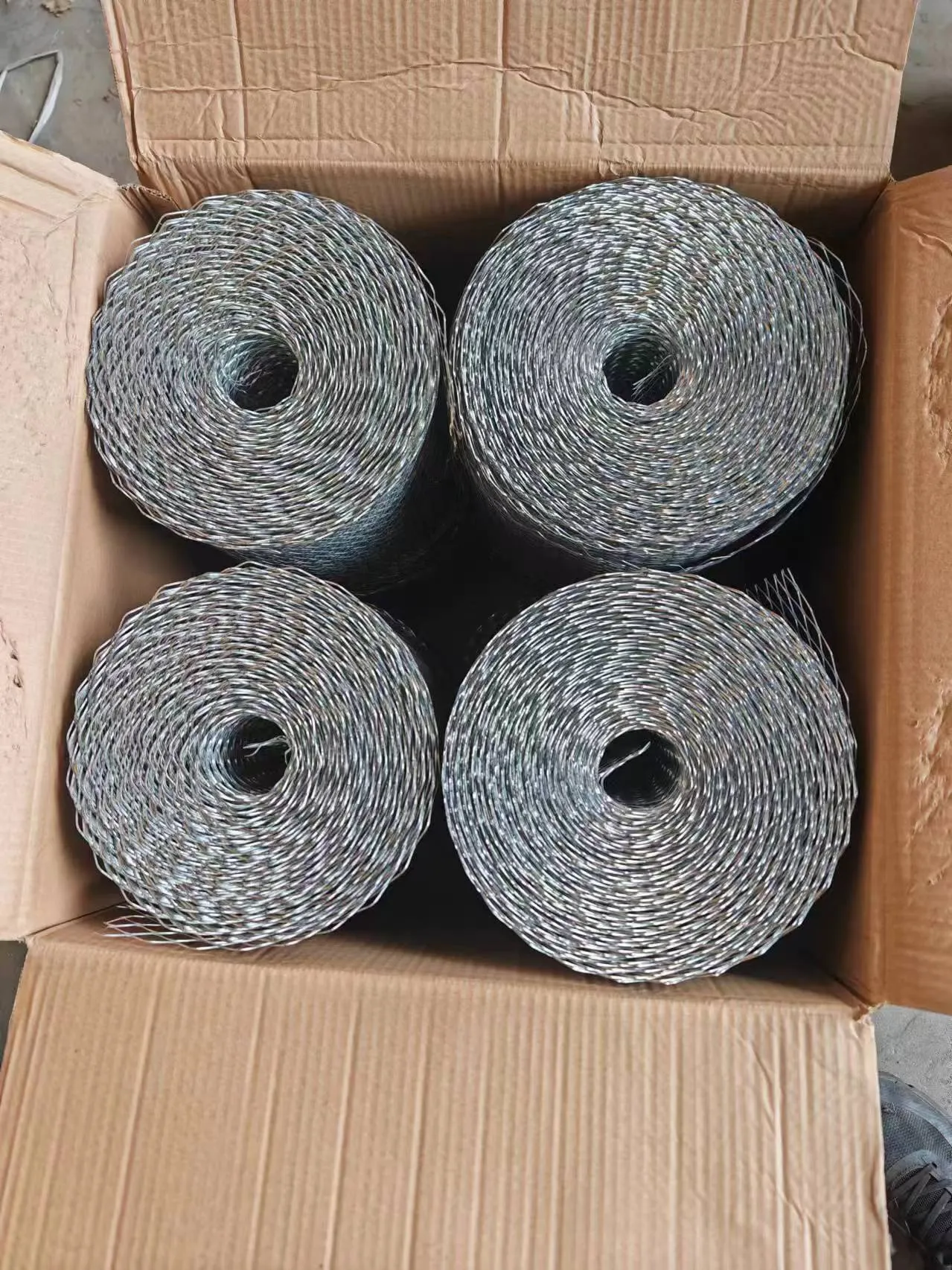
A: Lath selection is crucial. Traditional wood lath must be properly seasoned and securely fastened to the framing to provide a stable base. Metal lath offers improved durability and resistance to rot, but it can be more expensive. The lath’s aperture size affects the adhesion of the gypsum plaster, and the lath’s material needs to be compatible with the chemical composition of the gypsum mix to avoid corrosion or galvanic reactions.
Q: What are the typical cost implications of using loose-fill drywall versus traditional gypsum board?
A: The material cost of loose-fill gypsum can be comparable to, or slightly lower than, gypsum board. However, the labor cost is typically higher due to the skilled application required. The overall project cost will depend on the complexity of the installation, the required finish quality, and the local labor rates. For simple rectangular walls, board is typically more economical. For curved walls or complex renovations, loose fill may be more efficient.
Conclusion
Loose-fill drywall presents a viable alternative to conventional gypsum board, particularly in renovation projects and applications demanding curved or irregular surfaces. Its performance is intrinsically linked to meticulous material selection, precise manufacturing control, skilled installation, and proactive moisture management. Understanding the material's inherent properties – its susceptibility to moisture, its reliance on density for performance, and its unique installation requirements – is paramount for achieving durable, high-quality results.
Future development in this field will likely focus on enhancing moisture resistance through advanced additive technologies and refining installation techniques to improve consistency and reduce labor costs. Furthermore, incorporating recycled gypsum content will play a crucial role in minimizing the environmental impact of this widely used building material. Continued research into alternative lath materials and optimized gypsum mix designs will further expand the application range and performance capabilities of loose-fill drywall.