



Introduction
Construction nails represent a fundamental fastening solution within the building and infrastructure industries. Positioned as a critical component in carpentry, roofing, framing, and various assembly applications, nails provide a cost-effective and readily deployable method for joining materials, primarily wood but extending to steel and other substrates when specialized nail types are employed. Their performance characteristics, encompassing shear strength, tensile strength, and resistance to withdrawal, directly impact the structural integrity of assembled components. This guide details the material science, manufacturing processes, performance parameters, failure modes, and industry standards associated with construction nails, serving as a comprehensive resource for engineers, procurement professionals, and construction specialists.
Material Science & Manufacturing
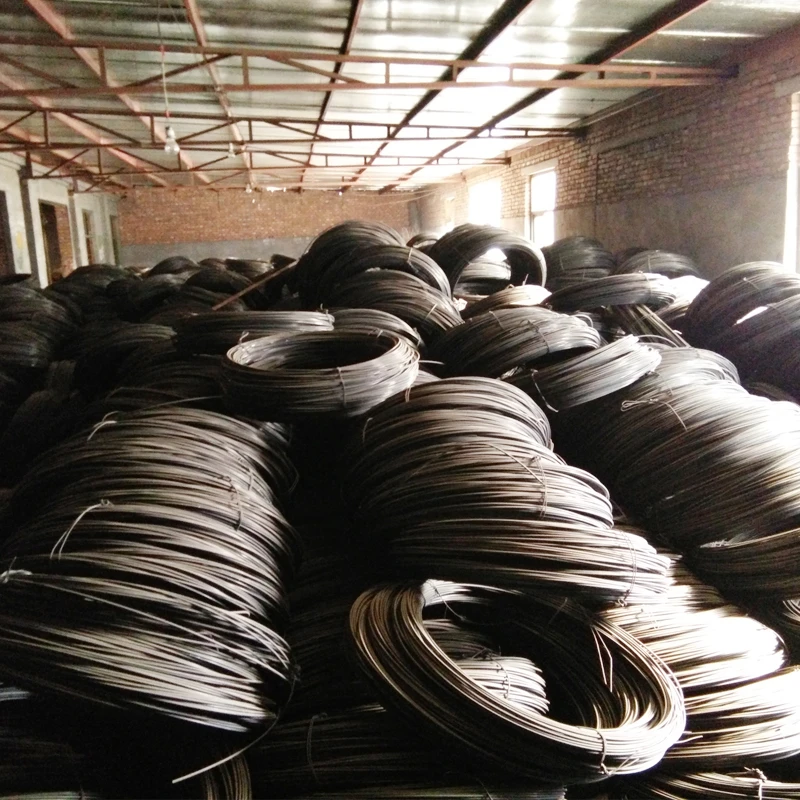
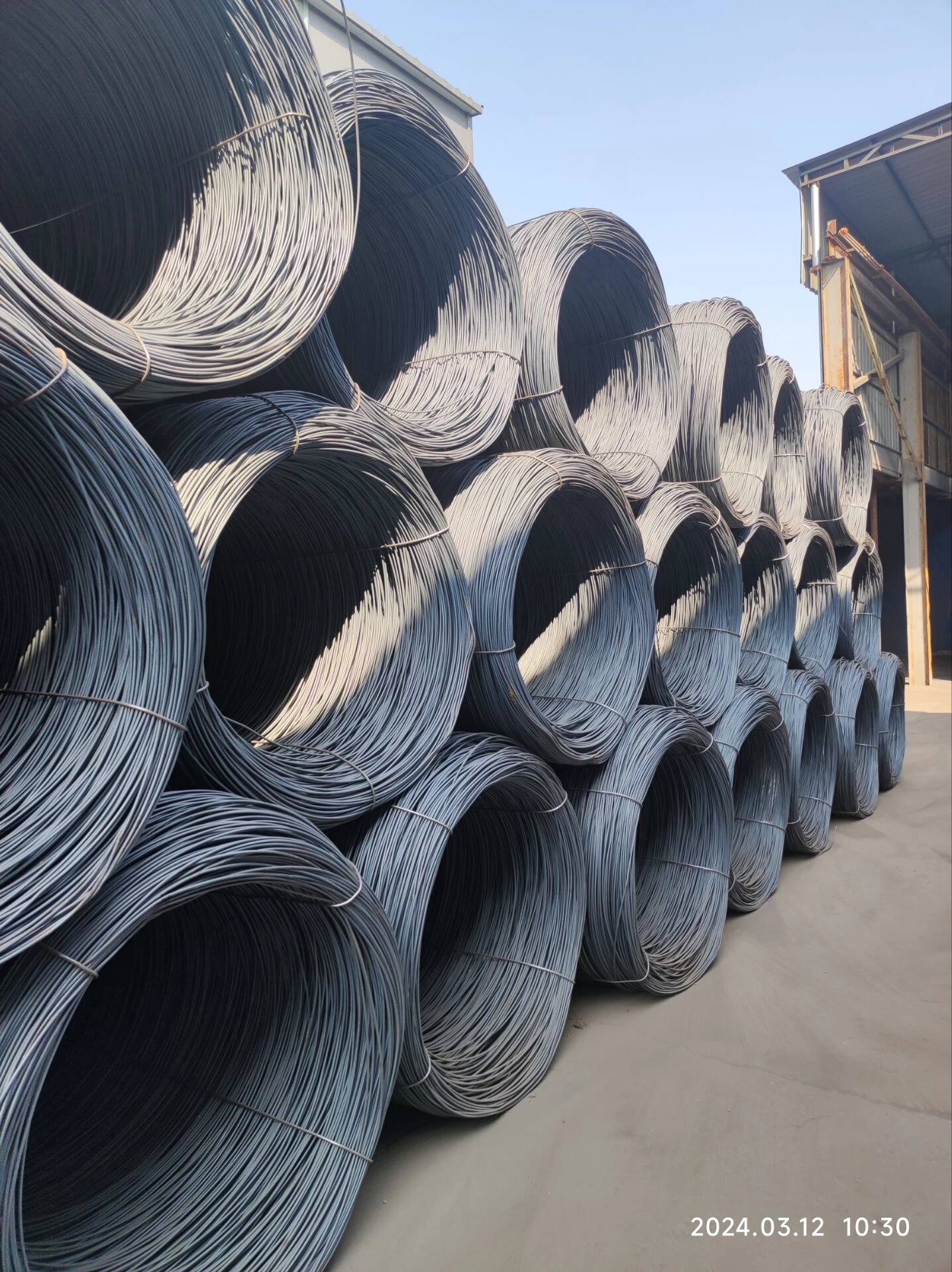
The predominant material for construction nails is carbon steel, specifically low-carbon steel (typically SAE 1008) due to its ductility and ease of forming. The steel composition impacts the nail's hardness, tensile strength, and corrosion resistance. Higher carbon content increases hardness and strength but reduces ductility, increasing brittleness. Manufacturing begins with wire drawing, reducing the diameter of steel rods to the desired nail gauge. This process induces work hardening, increasing the steel’s yield strength. Subsequently, the wire undergoes a heading process where the nail head is formed using impact forging. Key parameters in heading include die geometry, impact force, and lubrication to ensure consistent head dimensions and prevent material defects like cracking or folding. Following heading, nails are often subjected to heat treatment, typically involving quenching and tempering, to optimize mechanical properties. Coating processes, such as galvanization (zinc coating), electroplating, or polymer coating, are applied to enhance corrosion resistance. Galvanization, particularly hot-dip galvanization, provides a robust barrier against atmospheric corrosion, while electroplating offers a smoother, more aesthetically pleasing finish. Specialized nails, such as stainless steel nails (304 or 316 stainless steel) and aluminum nails, are manufactured from their respective alloy wires utilizing similar forming and treatment processes, chosen for specific corrosion resistance or compatibility requirements. Quality control throughout the manufacturing process includes dimensional checks, hardness testing (Rockwell or Vickers), and coating thickness measurements.
Performance & Engineering
The performance of a construction nail is governed by several key engineering principles. Shear strength, the nail’s resistance to forces acting parallel to its shank, is paramount in resisting lateral loads and preventing joint slippage. Tensile strength defines the nail’s ability to withstand pulling forces, critical in applications subject to significant tension. Withdrawal resistance, the force required to extract the nail from the substrate, is influenced by nail diameter, length, shank type (smooth vs. ring shank), and the density of the material being fastened. Ring shank nails offer significantly enhanced withdrawal resistance due to the increased surface area and mechanical interlocking with the wood fibers. Force analysis considers the applied loads, the angle of insertion, and the material properties of both the nail and the substrates. Environmental resistance is crucial; corrosion degrades the nail material, reducing its load-bearing capacity. Galvanization provides sacrificial protection, corroding preferentially to the steel substrate. Building code compliance necessitates adherence to standards like the International Building Code (IBC) and local regulations, specifying nail size, spacing, and penetration depth based on structural load requirements. Furthermore, the nail’s ductility is important. Brittle nails are more prone to shattering under stress, leading to sudden failure. The selection of nail type, size, and coating must be optimized for the specific application and environmental conditions to ensure long-term structural integrity.
Technical Specifications
| Nail Diameter (Gauge) | Nail Length (inches) | Tensile Strength (PSI) | Shear Strength (PSI) |
|---|---|---|---|
| 6d (0.120 inch) | 2.0 inch | 80,000 | 60,000 |
| 8d (0.131 inch) | 2.5 inch | 90,000 | 70,000 |
| 10d (0.148 inch) | 3.0 inch | 100,000 | 80,000 |
| 16d (0.196 inch) | 3.5 inch | 120,000 | 90,000 |
| Stainless Steel 8d | 2.5 inch | 110,000 | 85,000 |
| Galvanized 6d | 2.0 inch | 80,000 | 60,000 |
Failure Mode & Maintenance
Construction nail failure can manifest in several forms. Fatigue cracking, resulting from repeated cyclical loading, occurs when stress levels exceed the material's endurance limit, initiating cracks that propagate over time. Withdrawal failure happens when the nail loses its grip on the substrate, often exacerbated by moisture content fluctuations in wood. Corrosion, particularly in untreated steel nails, weakens the material, reducing its load-bearing capacity and accelerating fatigue failure. Shear failure occurs when the shear stress exceeds the nail’s shear strength, causing it to break. Bending failure occurs when the nail bends under excessive load, leading to structural compromise. Maintenance focuses on preventative measures, primarily corrosion protection. Regularly inspecting structures for signs of corrosion or nail withdrawal is crucial. Applying protective coatings to exposed nail heads can extend their lifespan. For structures exposed to harsh environments (marine environments, for example), utilizing stainless steel or hot-dip galvanized nails is essential. Replacing corroded or loose nails promptly prevents further structural deterioration. In cases of suspected fatigue cracking, a thorough structural assessment is recommended to determine the extent of damage and implement appropriate repair strategies. Proper nail driving technique, avoiding bending or damaging the nail during installation, also minimizes the risk of premature failure.
Industry FAQ
Q: What is the difference between smooth shank and ring shank nails, and when should each be used?
A: Smooth shank nails are general-purpose fasteners offering good penetration but lower withdrawal resistance. They are suitable for applications where holding power is not critical, such as temporary fastening or interior trim. Ring shank nails feature spiral ridges along the shank, providing significantly increased withdrawal resistance due to mechanical interlocking with the wood fibers. They are ideal for applications requiring high holding power, such as framing, roofing, and decking.
Q: How does the gauge of a nail affect its holding power?
A: Nail gauge (diameter) is directly correlated with holding power. Larger gauge nails have greater cross-sectional area, resulting in higher tensile and shear strength, and increased resistance to bending and withdrawal. However, using excessively large nails can split the wood, so selecting the appropriate gauge for the material is essential.
Q: What are the advantages of using hot-dip galvanized nails over electroplated nails?
A: Hot-dip galvanization provides a thicker, more durable zinc coating than electroplating, offering superior corrosion resistance, particularly in harsh environments. While electroplated nails offer a smoother finish, they are more susceptible to corrosion over time. Hot-dip galvanization provides sacrificial protection, corroding before the steel substrate.
Q: Can stainless steel nails be used in place of galvanized nails in all applications?
A: While stainless steel nails offer excellent corrosion resistance, they are significantly more expensive than galvanized nails. They are best suited for applications where extreme corrosion resistance is required, such as coastal construction or use with chemically treated wood. For most general construction applications, hot-dip galvanized nails provide sufficient corrosion protection at a more reasonable cost.
Q: What building codes govern the use of construction nails in structural applications?
A: The International Building Code (IBC) is the primary governing document for structural nail usage in the US, and similar codes exist internationally. These codes specify nail size, spacing, penetration depth, and allowable shear and withdrawal values based on the structural load requirements and wood species being used. Local building codes may have additional requirements.
Conclusion
The selection and application of construction nails are critical to the integrity and longevity of any built structure. Understanding the material science behind nail manufacturing, the engineering principles governing their performance, and the potential failure modes is paramount for ensuring structural reliability. Optimized nail selection, considering factors such as material composition, coating, shank type, and gauge, is crucial for resisting shear, tension, and withdrawal forces while mitigating the risk of corrosion and fatigue.
Furthermore, adherence to relevant building codes and industry standards is non-negotiable for safe and compliant construction practices. Ongoing inspection and preventative maintenance, including corrosion protection and timely replacement of damaged nails, further contribute to the structural health of buildings and infrastructure. Future advancements may focus on developing new nail materials with enhanced corrosion resistance and improved mechanical properties, as well as refining manufacturing processes to improve consistency and reduce costs.