




Introduction
Concrete form nails are specialized fasteners critical to the temporary support structures used in poured concrete construction. Positioned within the industry as a consumable component of formwork systems – alongside lumber, bracing, and tie wires – their primary function is to securely attach formwork components, typically plywood or oriented strand board (OSB), to supporting framing. These nails are designed for easy removal after concrete curing, minimizing damage to the forms for reuse. Core performance characteristics include shear strength, holding power in softwood and hardwood, and resistance to bending during concrete placement. A key industry pain point centers on nail withdrawal resistance, as insufficient holding power leads to form blowouts and compromised concrete finishes, resulting in costly rework and project delays. The selection of appropriate nail type, size, and coating is paramount to achieving structural integrity and minimizing formwork failure.
Material Science & Manufacturing
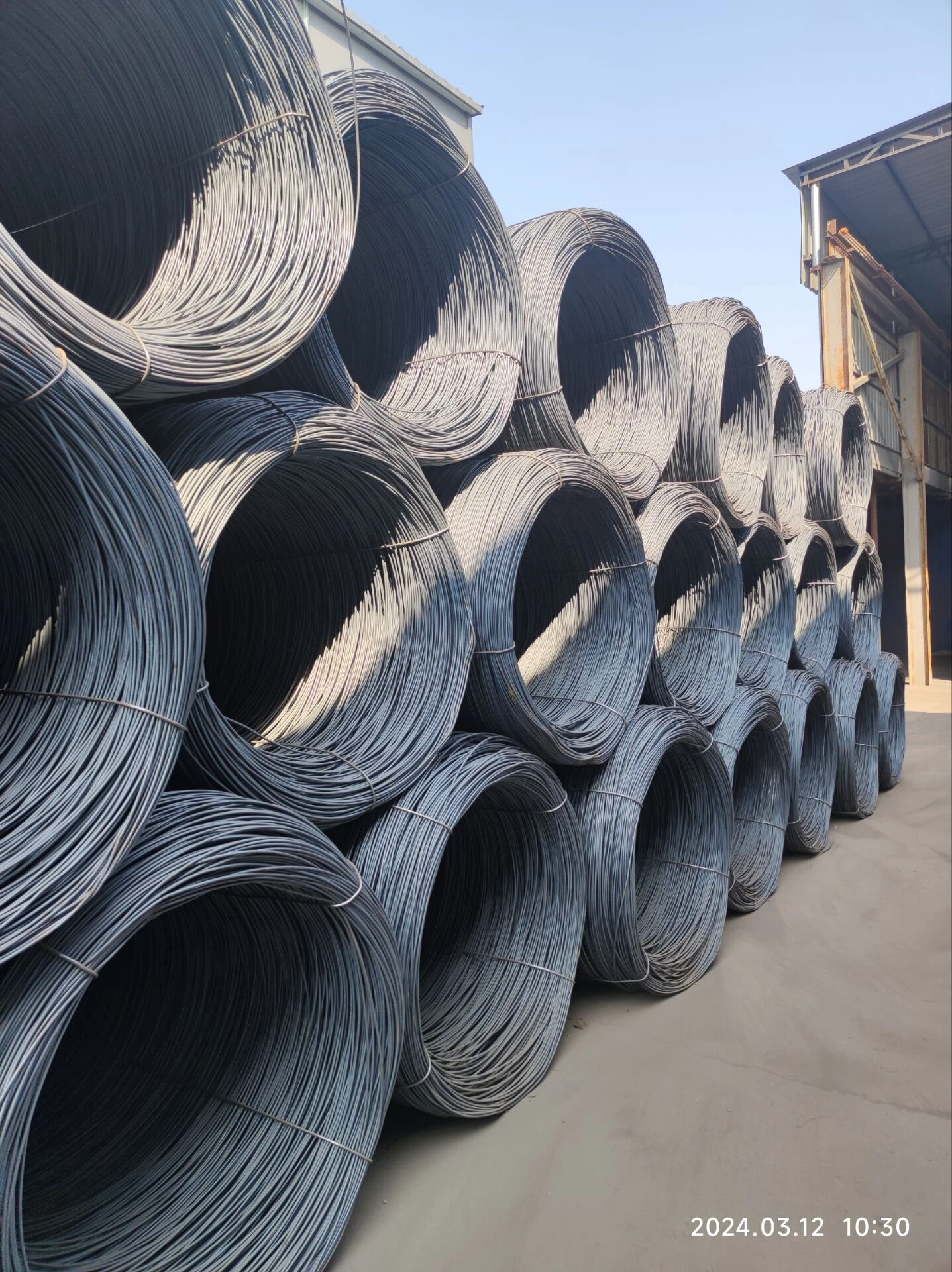
Concrete form nails are predominantly manufactured from high-carbon steel, specifically SAE 1045 or 1050. This steel grade offers an optimal balance of hardness, tensile strength, and ductility. The manufacturing process begins with wire drawing, reducing the steel diameter to the desired nail gauge. Following this, a heading process cold-forms the nail head, increasing the material's density in that region for enhanced driving performance and holding power. The nail shank is then pointed, often using a rotary cutting or grinding method to create a sharp, consistent tip. Surface treatments are critical; bright basic nails offer limited corrosion resistance and are suitable for short-term applications in dry environments. Galvanization, particularly hot-dip galvanizing, provides a zinc coating that sacrificially corrodes, protecting the underlying steel from rust. Polymeric coatings, such as epoxy or acrylic, offer further corrosion protection and can reduce driving friction. Quality control throughout manufacturing emphasizes dimensional accuracy (nail length, gauge, head diameter) and consistent material properties, verified through hardness testing (Rockwell C scale) and tensile strength analysis. Improper heat treatment can lead to brittle nails prone to bending or snapping during use. The steel’s microstructure is closely monitored to ensure a fine-grained structure for maximum strength.
Performance & Engineering
The performance of concrete form nails is primarily governed by shear strength and withdrawal resistance. Shear strength, tested according to ASTM F166, measures the nail’s ability to resist forces acting parallel to the shank. Withdrawal resistance, determined by ASTM F880, assesses the force required to pull the nail directly out of the wood. These values are influenced by nail diameter, length, shank design (smooth vs. ring shank), and the wood species and density. Ring shank nails exhibit significantly higher withdrawal resistance due to the mechanical interlocking created by the rings. Force analysis during concrete placement considers hydrostatic pressure and impact forces. Nails must withstand these loads without bending or pulling through the formwork. Engineers specify nail spacing and patterns based on concrete pressure calculations, ensuring adequate formwork stability. Environmental resistance is also crucial. Exposure to moisture and alkalinity from concrete can accelerate corrosion, particularly in un-coated nails. The chemical compatibility of nail coatings with concrete additives (e.g., accelerators, retarders) must be considered to prevent coating degradation or concrete discoloration. Formwork design should account for potential nail deformation under load, incorporating safety factors to prevent catastrophic failure. Compliance requirements are often dictated by local building codes and OSHA regulations, focusing on safe formwork practices.
Technical Specifications
| Nail Diameter (Gauge) | Nail Length (inches) | Shank Type | Coating |
|---|---|---|---|
| 6d (0.113") | 2.5" | Smooth | Bright Basic |
| 8d (0.131") | 3" | Ring Shank | Hot-Dip Galvanized |
| 10d (0.148") | 3.5" | Ring Shank | Epoxy Coated |
| 12d (0.162") | 4" | Ring Shank | Hot-Dip Galvanized |
| 16d (0.196") | 4.5" | Ring Shank | Polymeric Coating (Acrylic) |
| 20d (0.220") | 5" | Ring Shank | Hot-Dip Galvanized |
Failure Mode & Maintenance
Concrete form nails are susceptible to several failure modes. Shear failure occurs when the nail’s cross-sectional area yields under excessive shear stress, typically during concrete placement. Withdrawal failure, as previously mentioned, happens when the nail loses its grip in the wood. Bending failure results from excessive lateral forces, often caused by uneven concrete distribution or inadequate bracing. Corrosion is a long-term degradation mechanism, weakening the nail material over time and reducing its load-bearing capacity. Fatigue cracking can occur in nails subjected to repeated loading and unloading cycles. Delamination of polymeric coatings exposes the underlying steel to corrosion. Oxidation of the steel surface, even with galvanization, contributes to gradual strength loss. Maintenance primarily involves proper storage to prevent moisture-induced corrosion. Nails should be stored in a dry, sheltered environment. Visually inspect nails before use, discarding any exhibiting signs of corrosion, bending, or coating damage. Avoid overdriving nails, as this can weaken the wood and reduce holding power. Regularly check formwork bracing and connections to ensure adequate support and prevent excessive stress on the nails.
Industry FAQ
Q: What is the primary difference between smooth shank and ring shank nails for concrete forms?
A: Ring shank nails offer significantly higher withdrawal resistance compared to smooth shank nails. The rings mechanically interlock with the wood fibers, requiring a much greater force to pull the nail out. While smooth shank nails are faster to drive, ring shank nails are preferred for applications where holding power is critical, especially in hardwoods or when dealing with high concrete pressures.
Q: How does the level of galvanization impact the lifespan of concrete form nails?
A: The thickness of the zinc coating directly correlates with the nail's corrosion resistance. Hot-dip galvanizing provides a thicker, more durable coating than electrogalvanizing, offering superior protection against rust and extending the nail’s usable lifespan. A heavier coating is recommended for prolonged exposure to moisture or alkaline environments.
Q: What is the recommended nail spacing for typical concrete formwork?
A: Recommended nail spacing depends on the thickness of the formwork material, the concrete pressure, and the nail size. Generally, spacing ranges from 6 to 12 inches along edges and 12 to 18 inches in the field. Engineers should perform calculations based on specific project requirements and consult relevant formwork design guides.
Q: Can polymeric coatings replace galvanization entirely in concrete form nail applications?
A: Polymeric coatings offer excellent corrosion resistance but typically aren’t a complete replacement for galvanization. While they provide a barrier against moisture and chemicals, they lack the sacrificial protection offered by zinc. A combination of galvanization and a polymeric topcoat provides the most robust corrosion protection.
Q: What should be done if a significant number of nails are bending during concrete pouring?
A: Bending nails indicate excessive lateral force or insufficient nail strength for the application. Immediate actions include reinforcing the formwork bracing, reducing the concrete pouring rate, and ensuring the nails are of the correct gauge and material for the concrete pressure. Investigate the wood species used; excessively hard wood can contribute to bending.
Conclusion
Concrete form nails, despite appearing as a simple fastening component, are engineered elements with critical performance characteristics directly impacting the integrity of concrete structures. The material science – specifically the choice of high-carbon steel and surface coatings – plays a crucial role in determining shear strength, withdrawal resistance, and corrosion protection. Appropriate nail selection, based on detailed engineering analysis and consideration of environmental factors, is paramount to preventing formwork failure and ensuring safe, cost-effective construction.
Future advancements may focus on developing more durable and environmentally friendly coatings, as well as incorporating innovative shank designs to further enhance holding power. Continued refinement of manufacturing processes and quality control measures will also be essential to maintain the reliability and performance of these critical fasteners within the demanding concrete construction industry.